Large space in the cucumber patch means reasonable intercropping can bring high yields, but planting the wrong vegetables together leaves both sides damaged
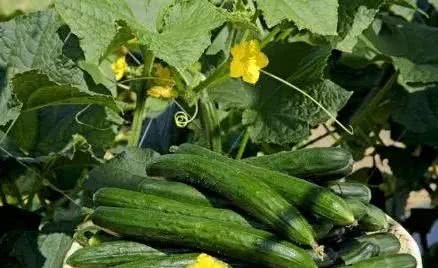
It is time to sow autumn cucumbers again. Cucumbers have always been a vegetable deeply loved by friends, especially in summer when cold cucumber salad is very refreshing. Cucumbers are also rich in nutrients, full of protein and vitamins, and clear heat and detoxify, making them very suitable for summer eating. However, during cucumber cultivation, some plants simply cannot be grown at the same time.
The growth habits of cucumbers
Cucumbers belong to the Cucurbitaceae family and can be grown in most areas of our country. They like warm, humid growing environments and are not cold-tolerant, and they need a lot of water. Their root system is relatively shallow and is not tolerant of waterlogging or fertilizer burn, but they need a large supply of fertilizer during growth. The soil needs to be loose, fertile, slightly acidic soil rich in organic matter.
Plants that cannot be grown together with cucumbers
First, cucumbers are climbing plants, so cucumbers absolutely must not be grown together with vegetables, melons, and fruits that are also climbing plants. This is because both are climbing plants and can easily become tangled with each other during growth. And in order to grow better, they create a competitive situation with each other, which may very well cause cucumbers to be tangled to death by the vines of other plants such as loofah and bottle gourd. It also affects the cucumber's light requirements. This way, either one side dies, or both sides are damaged.
In addition, the growth habits of cucumbers were mentioned above. From the growth habits, we can see that cucumbers need a relatively large amount of water during growth, so cucumbers cannot be grown together with plants whose growth habits differ from those of cucumbers. And even if the growth habits are the same, you still need to consider whether they will interfere with each other. Crown daisy, chili peppers, scallions, and Chinese chives are all fine.
Another point worth mentioning is that cucumbers are not suitable for intercropping with tomatoes.
I believe many friends do not know this, especially friends who do not specialize in growing vegetables. This is because when we grow a few vegetables at home, we really like to combine the two. Tomatoes and cucumbers are both vegetables we like in summer.
One reason the two cannot be grown together is the issue of growth habits mentioned above. Most of the two belong to shallow-rooted plants, but their water requirements differ. Cucumbers need a relatively large amount of water, while tomatoes are relatively drought-tolerant, and before the flowering period they even need appropriate water control. On this point, the two cannot reach the same requirement.
Another point is that during growth, tomatoes need appropriate intertillage and loosening of the soil to encourage the tomato roots to grow downward and strengthen the roots and seedlings. But cucumbers do not need intertillage. This creates difficulties in management, because intertilling for tomatoes will inevitably damage the cucumber roots, so it is very hard to coordinate the two.
In addition, during growth, many plants secrete certain toxins for the purpose of preventing interference from the growth of other plants. Cucumbers and tomatoes secrete this kind of substance. When the two are grown together, one side will inevitably grow weakly, making it impossible to achieve the goal of high yield through intercropping.
And besides not being able to be intercropped, the two should also avoid continuous cropping as much as possible. If continuous cropping is absolutely necessary, it is best to plant crown daisy or celtuce in between the two continuous cropping cycles to reduce the risk of yield loss from continuous cropping.
The above comes from Science Xingnong.