-

Explore the maritime charm at the Keelung Chaojing Bay Festival
Now in its second year, the "Keelung Chaojing Bay Festival" is launching five high-quality "chao" activities this year to bring the ocean into people's daily lives. A warm-up press conference was held yesterday (the 30th). Mayor Lin Yu-chang stressed that the event showcases the unique...
-
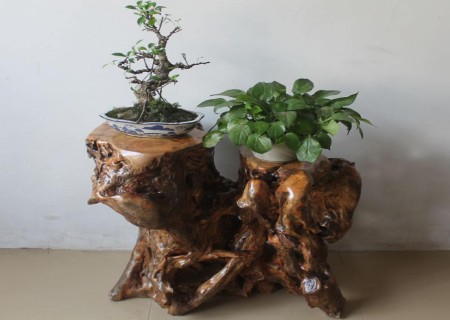
The Beauty of Viewing Stones, Root Art and Bonsai: Fully Displaying the Charm of Natural Art
In China's long and profound history, from folk circles to the imperial court, common bonsai types included flowering plant bonsai (trunk-style bonsai), landscape bonsai and crafted bonsai, among others. Carvers select the natural forms of various tree roots and dead wood, and after careful design, combine them in the manner of landscape bonsai to create what is called root art bonsai.
-
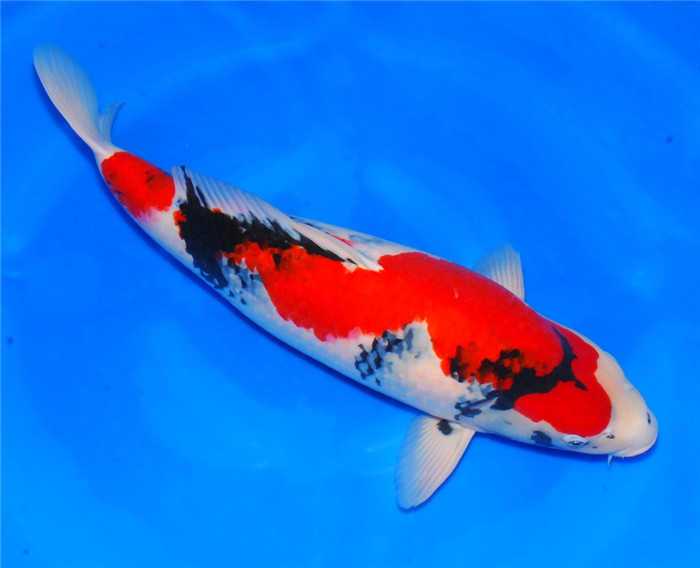
How to keep koi? Exploring the charm of the Hi Utsuri koi, one of the three great generals
Koi, one of the three great generals of koi: the Hi Utsuri koi, the charm of Hi Utsuri, the charm of Hi Utsuri. Content source: Zhongjin Koi Club. As one of the three great generals of Utsurimono, Hi Utsuri as a whole has a complete body color made up of red and black. Hi Utsuri is a very common type among Utsuri koi...
-
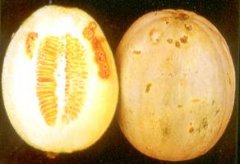
What harm do bacterial fruit blotch of melons and watermelons cause? Prevention and control of bacterial fruit blotch of watermelon
In Taiwan, China, between 1992 and 1993, in the coastal areas of Yunlin County and the Shanhua area of Tainan County, sporadic findings were made of large watermelons showing irregular water-soaked, slightly cracked lesions on the fruit surface, occurring mainly during the rainy season. The lesions spread over the rind and did not harm the flesh in the early stage. In May 1997, in Yilan, Taiwan, China
-
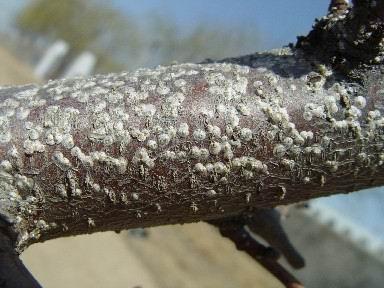
Scale insect species identification sources and whether plant scale insects parasitize and harm humans?
Scale insects are small insects and one of the pests most hated by many fruit growers and flower enthusiasts. They mainly harm fruit trees and forest trees and are one of the most common pests on ornamental flowers. Their reproductive capacity and resistance to pesticides are both very strong, making them generally difficult to control or eradicate. Where do scale insects come from?
-
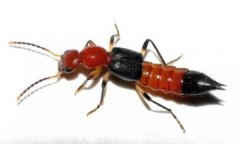
How to prevent lychee stink bug eggs? Their harm and control methods along with those of the rove beetle
Recently many people have received notices on Facebook about rove beetles, a type of pest that can cause diffuse ulcerating skin damage, and everyone is reminded to pay attention: when clothes are hung out to dry on the balcony, watch out for a kind of small, round, blue-and-white object stuck to them. If
-
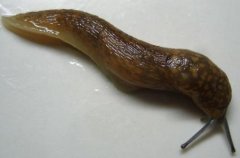
Which plants are mainly harmed by slugs and snails? Detailed explanation of prevention and management methods
Slugs, this kind of pest, do you know about them? Which plants do these pests mainly parasitize, and what harm do they cause? Let's find out together! Host plants: Regarding crops: beans, lettuce, cabbage, Chinese cabbage, tomatoes and many other garden plants
-
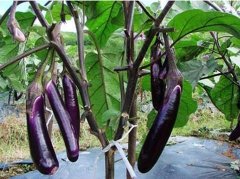
Introduction to the Cultivation Techniques and Management Methods of the New Eggplant Variety Orient Charm
Eggplants are an excellent addition to the home garden. These large, heavy plants provide warm-season gardeners with delicious fresh eggplant fruit. Although the diversity among eggplant varieties may not be as obvious as with other plants, open-pollinated varieties and newly introduced hybrids
-
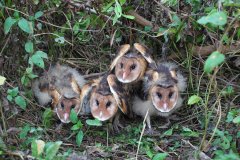
Is the grass owl an owl? It feeds mainly on rodents, which helps reduce harmful rodent populations
The Eastern grass owl belongs to the family Tytonidae, of which there are 15 species worldwide, and it is an endemic subspecies. The Eastern grass owl is also known as the "monkey-faced owl." But it is different from the owl. The grass owl is not an owl. The habitat of the grass owl is mainly distributed across the low-altitude plains of the west and the shallow hills and hilly areas
-
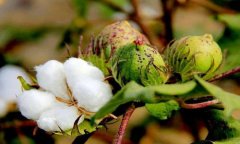
Does cotton cultivation really have such a harmful effect on soil improvement?
India is an important cotton-producing country in the world. However, in India, non-genetically modified cotton seeds are almost impossible to find now, because the native cotton seeds have already run into problems. This is something we on the consumer and user end cannot feel. About ten
条件筛选