-
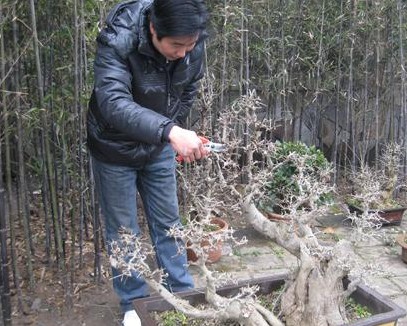
How to achieve harmony when styling tree bonsai
In the creation of tree bonsai, a bonsai worthy of being called an excellent work must have all its parts integrated into one body, unified and harmonious. Otherwise, it is not a good work. In styling, the various ornamental parts of the bonsai, including trunk, branches, leaves, flowers, fruit and roots, should be mutually unified and harmoniously developed
-
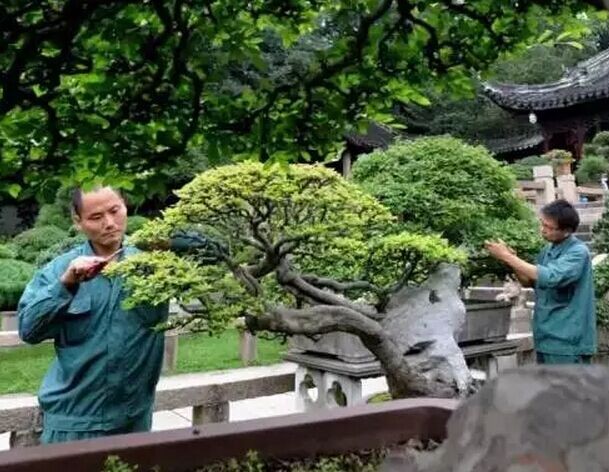
Suzhou-style bonsai pruning and shaping during the plum rain season showcases their unique artistic charm
During the plum rain season, there is plenty of rain and high humidity, so plants grow especially vigorously, and the branches and leaves of bonsai trees grow very quickly. Yesterday, horticulturists at the Bonsai Garden of Wan Jing Villa in Tiger Hill took advantage of a break in the rain to prune and beautify more than 600 Suzhou-style bonsai in the garden, so that these fine bonsai can all grow healthily and always maintain their beautiful forms
-

Lingnan-style moss bonsai showcase natural elegance and charm
The mention of moss bonsai inevitably brings to mind Japanese-style gardening landscapes, where adorable, verdant bonsai are given various themes by people's imagination, and a small container becomes a miniature world. The benefit of making moss bonsai lies in honing our carefulness and patience
-
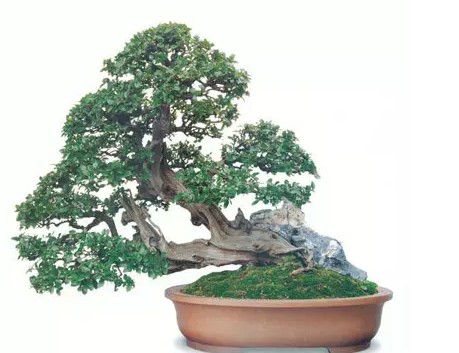
Appreciation of Masterpieces of Suzhou-Style Penjing: Experience the Charm of Traditional Penjing Art
"Ancient Charm Abounds": Species: Chinese sweet plum (Sageretia thea). Height: 57 cm. Age: about 50 years. At first glance it looks like a completely withered old stump, and it has been shaped by human hands, yet it is quaint and natural; the dense canopy of branches and leaves makes it hard to believe that it grew from the back of this dead stump, yet this is an indisputable fact.
-
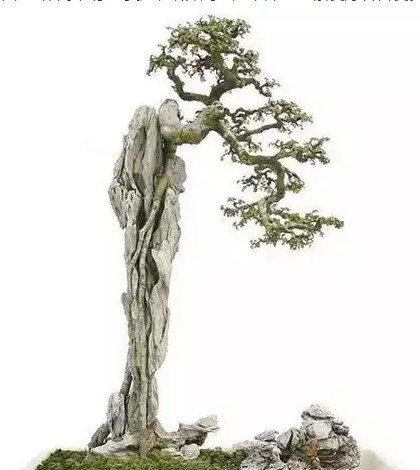
The exquisite beauty of rock-clinging bonsai, revealing the charm of nature within a tiny space
China's bonsai art has been passed down for more than a thousand years and is praised as "three-dimensional painting" and "silent poetry." Rock-clinging bonsai is a further inheritance and development of bonsai art; the perfect blend of the firmness of stone and the softness of trees deeply attracts stone enthusiasts and bonsai lovers. As usual, below are exquisite rock-clinging bonsai presented for your appreciation.
-
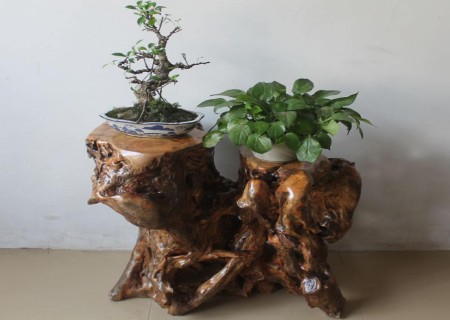
The Beauty of Viewing Stones, Root Art and Bonsai: Fully Displaying the Charm of Natural Art
In China's long and profound history, from folk circles to the imperial court, common bonsai types included flowering plant bonsai (trunk-style bonsai), landscape bonsai and crafted bonsai, among others. Carvers select the natural forms of various tree roots and dead wood, and after careful design, combine them in the manner of landscape bonsai to create what is called root art bonsai.
-
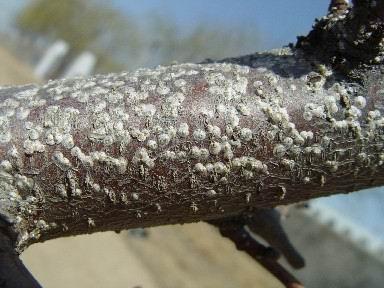
Scale insect species identification sources and whether plant scale insects parasitize and harm humans?
Scale insects are small insects and one of the pests most hated by many fruit growers and flower enthusiasts. They mainly harm fruit trees and forest trees and are one of the most common pests on ornamental flowers. Their reproductive capacity and resistance to pesticides are both very strong, making them generally difficult to control or eradicate. Where do scale insects come from?
-
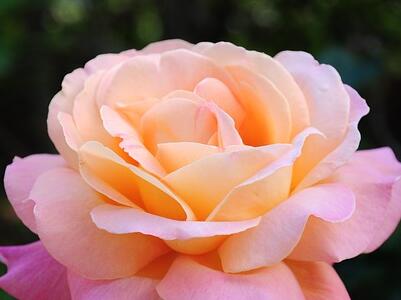
How long is the flowering period of gardenia, is it harmful to people if placed in the bedroom, and what should be done if the leaves turn yellow?
Gardenia is also known as zhizi and huangzhizi, belonging to the order Gentianales, family Rubiaceae. It belongs to the family Rubiaceae and is an evergreen shrub with lush branches and leaves, leaves that remain green all year round, and fragrant flowers, making it an important garden ornamental plant. So how long is its flowering period? If placed in the bedroom, will it be harmful to the human body? What should be done if the leaves turn yellow during cultivation
-
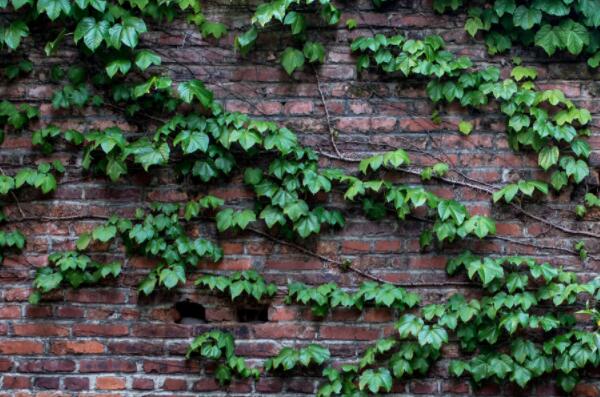
Boston ivy seedling price per plant, why it climbs walls, and its harm to houses
Boston ivy is also known as climbing ivy, Japanese ivy, flying centipede, false grape vine, red silk grass, stone blood, iron trust, iron railing. It blooms in summer, with small yellow-green flowers and purple-black berries. So how much does a Boston ivy seedling cost per plant? Why does it climb walls? Is it harmful to houses? How to plant it
-
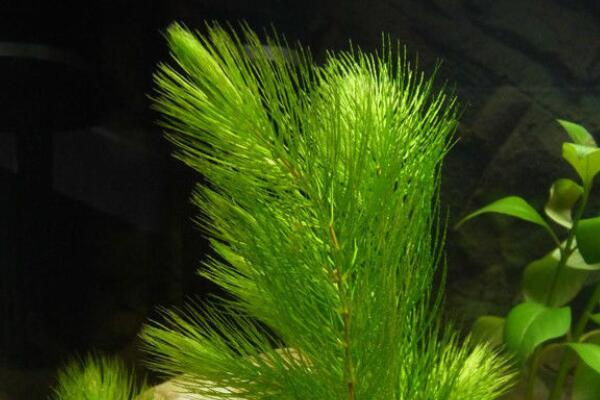
Is Hornwort Harmful, and How to Fix and Plant It in an Aquarium, and When to Plant
Hornwort, also known as fine grass, fish grass, soft grass and pinewort, is a perennial herbaceous submerged aquatic plant that was once commonly seen in ponds, ditches and other places. Its flowering period is from June to July, and its fruiting period is from August to October. So is hornwort a harmful plant? How do you fix it in an aquarium? When do you plant it? How do you plant it?
条件筛选