-
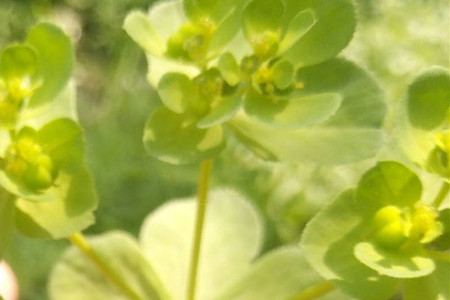
What are the harmful effects of Euphorbia helioscopia on the human body? You need to know these toxicity facts
What harm does Euphorbia helioscopia do to humans
-
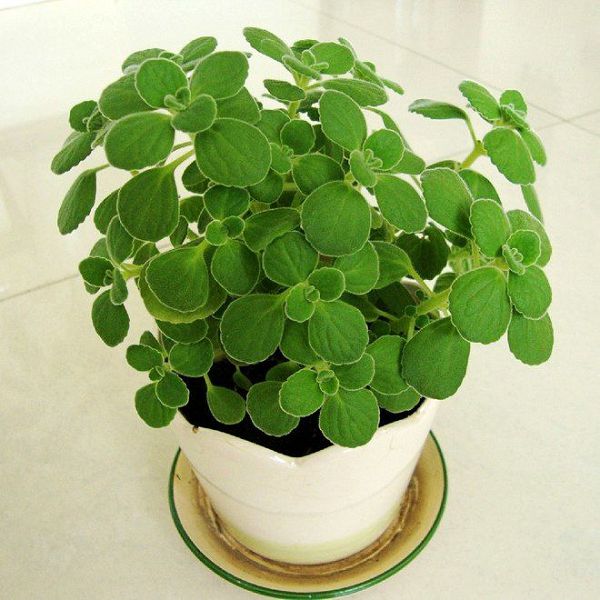
How to grow Cuban oregano? Keep a pot at home, and its fragrance fills the air and charms everyone
Keep a pot of Cuban oregano at home, and its fragrance fills the air, making it super charming
-
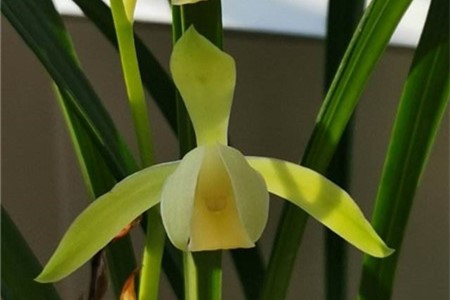
Is orchid fragrance toxic? Is it harmful to the human body
Is orchid fragrance toxic, and is it harmful to the human body
-
-
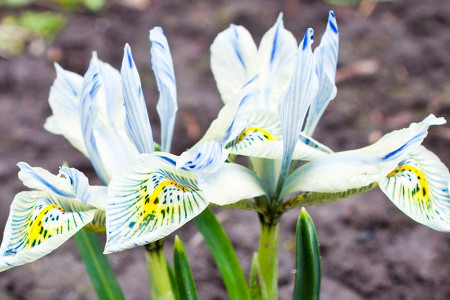
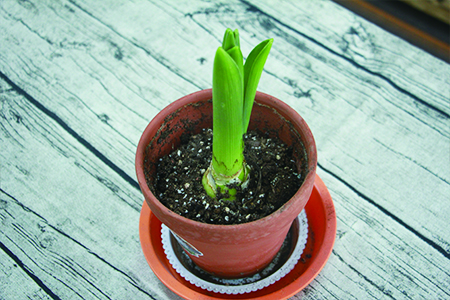
Is it harmful to your health to keep iris at home, and what should you pay attention to?
What should you pay attention to when keeping iris at home, and is it harmful to your health?
-

The Poetic Charm and Ornamental Beauty of Tulips
Dear expression. The tulip has a tall, upright stem and full, beautiful blooms. In Western literature and painting, the tulip is a symbol of victory and beauty. The Netherlands is the main exporter of tulips, and the tulip is also its national flower. There are extremely many tulip varieties, with nearly 8,000 varieties at present. The colors range from white, yellow, pink, red, deep red, and rose red all the way to black tulips. This wondrous plant, named tulip, comes from distant lands, and its preciousness is swiftly sought.
-
What to Do About Slug Moth Caterpillars Harming Cherry Blossoms? A Detailed Guide to Prevention and Control Methods
What harm do slug moth caterpillars do to cherry blossoms? How can they be controlled? Slug moth caterpillars mainly cause damage by their larvae chewing on cherry blossom leaves. Newly hatched larvae gather in groups to gnaw the leaf flesh, leaving the epidermis behind; after growing larger they disperse and cause damage, and in severe cases they can eat all the leaves on an entire branch. There are many species of slug moths that harm cherry blossoms, including the brown-edged green slug moth, the Chinese green slug moth, the camphor slug moth, and the small black slug moth. Adult slug moths are mostly densely covered with scales and hairs, generally yellow-brown to green, with simple red or brown markings. Their larvae are commonly known as stinging caterpillars, with branched spines and venomous hairs on their bodies that can irritate
-
What are the pharmacological effects of lily? A comprehensive analysis of its medicinal value
[Source] The dried fleshy scales of Lilium lancifolium Thunb., Lilium brownii F.E.Brown ex Miellez, or Lilium brownii F.E.Brown ex Miellez var. viridulum Baker, plants of the genus Lilium in the family Liliaceae. The first is commonly called "Longya lily" and the latter two are commonly called "Su lily". [Original plant] 1. Lilium lancifolium is a perennial herb, with a bulb nearly broadly spherical, 4-8 cm in diameter; scales fleshy, broadly ovate, 2.5-5 cm long, 1.4-2.5 cm wide, white; stem 0.8-1.5 m tall, with purple stripes, covered with white cottony hairs. Leaves alternate, oblong-lanceolate or lanceolate, 5-20 cm long, 0.5-2 cm wide, gradually smaller upward and bract-like, often with bulbils in the leaf axils. Flowers in summer; usually 3-6 flowers arranged in a terminal raceme; pedicels 6.5-9 cm long, purple, with white cottony hairs; flowers nodding, trumpet-shaped, tepals 6, in 2 whorls, lanceolate, recurved, orange-red, with purple-black spots; outer tepals 6-10 cm long, 1-2 cm wide; inner tepals slightly wider, with papillose and fimbriate projections on both sides of the nectary; stamens 6, filaments 5-7 cm long, pale red, anthers oblong, purple, about 2 cm long; ovary cylindrical, 1.5-2 cm long, style slender, stigma 3-lobed. Capsule narrowly oblong-ovate, 3-4 cm long. Grows in moist environments. Distributed in our province and Hebei, Shaanxi, Gansu, Shandong, Zhejiang, Jiangxi, Henan, Hubei, Hunan, Sichuan, Guizhou, Yunnan, Xizang and other provinces and regions. Mostly cultivated. Also distributed in Japan and Korea. 2. Lilium brownii is a perennial herb, with a spherical bulb, 2-4.5 cm in diameter; scales lanceolate, 1.8-4 cm long, 0.8-1.4 cm wide, white; stem 0.7-2 m tall, with purple stripes or small papillose projections on the lower part. Leaves scattered, lanceolate to linear, 7-15 cm long, 1-2 cm wide, smaller upward and bract-like, with 5-7 veins, entire, glabrous. Flowers in May-June; flowers solitary or several arranged in a nearly umbellate inflorescence; pedicels 3-10 cm long, slightly curved; flowers trumpet-shaped, tepals 6, in 2 whorls, fragrant, milky white, slightly purple outside, spotless, spreading outward or with tips curved outward but not revolute, 13-18 cm long; outer tepals 2-4.3 cm wide, apex acute; inner tepals 3.4-5 cm wide, with small papillose projections on both sides of the nectary; stamens 6, filaments 10-13 cm long, curved upward; anthers oblong; ovary cylindrical, 3.2-3.6 cm long, stigma 3-lobed. Capsule oblong, 4.5-6 cm long, about 3.5 cm wide, ribbed, with many seeds. Grows on hillsides, under shrubs, roadsides or by streams. Distributed in our province and the southeastern, central, southwestern and southern regions of China. 3. Lilium brownii var. viridulum differs from Lilium brownii in its oblanceolate to obovate leaves. Grows on hillsides and in rock crevices. Distributed in our province and Gansu, Shaanxi, Henan, Hebei provinces and all provinces and regions from East China and South China to Southwest China. Wild or cultivated.
-
Pests Harming Orchids and Their Control Methods (Part One)
Pests that harm orchids include scale insects, aphids, spider mites, thrips, whiteflies, leaf miners, snails and slugs, nematodes, caterpillars, cockroaches, ants, and others. 1. Scale insects Scale insects are one of the most common pests harming orchids. There are many species, mainly parasitizing the stems and leaves of orchids, and they can also be seen on the petioles and the membranous sheaths at the base of pseudobulbs, appearing as a white powdery substance. They feed by sucking plant sap with their piercing-sucking mouthparts. In mild infestations, they cause the affected organs to turn yellow and age, affecting the growth of the orchid plant; in severe cases, they cover the leaf surface in patches, consuming nutrients and affecting the orchid's
-
How harmful is oleander to goldfish?
Oleander, also known as willow-leaf peach, belongs to the genus Nerium in the family Apocynaceae. It has been introduced into China for a long time and is cultivated in various places; it is a common ornamental flower in gardens. The entire oleander plant is highly toxic, and accidental ingestion by humans or livestock is dangerous. There are numerous instances in which oleander leaves, petals, fruits and small branches falling into goldfish tanks have caused the death of all the young and adult goldfish. The reason is that oleander mainly contains cardiac glycosides such as yellow oleandrin A, yellow oleandrin B, oleandrin A, yellow oleandrin A monoside methyl, yellow oleandrin A monoside ethyl and yellow oleandrin C, which have highly toxic effects on fish and can cause acute
条件筛选