-

Are Slugs Poisonous? A Few Effective Ways to Get Rid of Them
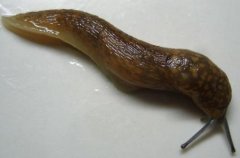
The slug, commonly known as the snail without a shell, is a mollusk that looks like a snail without a shell, with a moist and slimy body surface, dark black, dark gray, yellowish white or grayish red in color. So, are slugs poisonous? How to get rid of them? 1. Are slugs poisonous? Slugs are non-
-
What pesticide is effective for killing slugs
Slugs are the collective name for animals of the family Arionidae in the order Stylommatophora of the class Gastropoda. In some regions of our country they are also called yanyou, and their appearance is very similar to snails without shells. Slugs feed on plant leaves, forming holes, or feed on the fruit, greatly affecting commodity value. In ag
-
Mushroom Preservation Methods and Tips for Eliminating Slugs and Snails on Orchids
How to Eliminate Slugs and Snails on Orchids
-
Which plants are mainly harmed by slugs and snails? Detailed explanation of prevention and management methods
Slugs, this kind of pest, do you know about them? Which plants do these pests mainly parasitize, and what harm do they cause? Let's find out together! Host plants: Regarding crops: beans, lettuce, cabbage, Chinese cabbage, tomatoes and many other garden plants
-
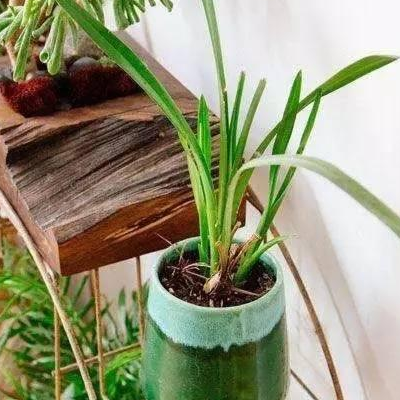
Can baking soda kill slugs when used in gardening? A detailed guide to the correct usage
Baking soda is extremely common in daily life, but don't underestimate it - it can be used for gardening. What are the ways to use baking soda in gardening: as a fungicide, mix 4 teaspoons of baking soda with 4 liters of water, very effective for disinfecting and killing bacteria. For cabbage worms, make a powder with an appropriate amount of baking soda and flour
-
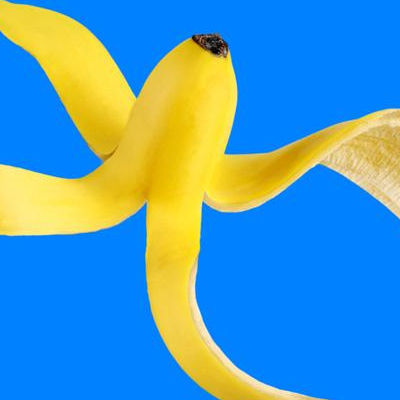
How do you make flower fertilizer from banana peels, and can it also kill slugs?
Banana peels, everyone has seen them, and they are just that appealing. How do you turn banana peels into flower fertilizer? Make a nutrient solution: 1. Find a larger plastic bottle, wash it clean, and fill it one-fifth with water. 2. Chop up the banana peels, add them to the plastic bottle, and put the lid on but not too tightly.
-
What are the control methods for mushroom slugs?
Morphological characteristics The wild slug (Deroceras agreste) has a soft body without a shell, dark gray, yellowish white or grayish red in color, and secretes colorless mucus; when extended, its body length is 30-40 mm and width 4-6 mm. The two-lined mucous slug (Philomycus bilineatus) is soft and shell-less, grayish white or pale yellowish brown, secretes milky white mucus, and when extended measures 35-37 mm in length and 6-7 mm in width. The yellow slug (Limax flavus) is soft and shell-less, dark orange or yellowish brown, secretes pale yellow mucus, and when extended reaches 120 mm in length and 12 mm in width. Occurrence pattern and living habits
-
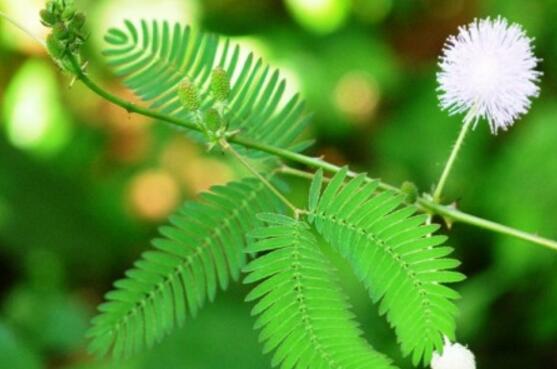
What to do when a mimosa plant gets slugs? Use pesticide promptly to spray and control pests and diseases
As a plant that can move, the mimosa (Mimosa pudica) is welcomed and loved by everyone, and is kept at home by many flower lovers, adding a lot of color to our lives. It is well known that the mimosa has strong adaptability, and it is not easily troubled by pests and diseases, but if it is too neglected in care, the mimosa can also get bugs, which affects its ornamental value
-
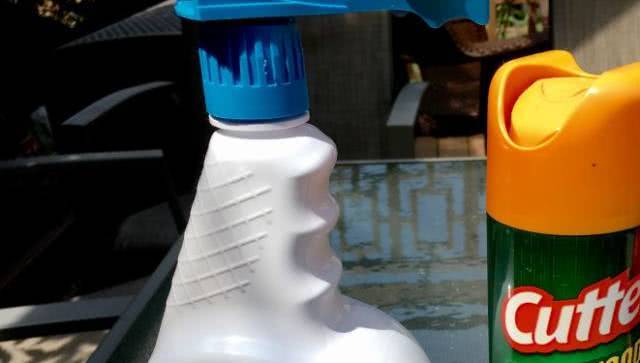
How do you get rid of mosquitoes and slugs in the yard? No more worries about growing flowers and vegetables
Before we started growing flowers and vegetables at home, there were basically no mosquitoes in the yard or on the balcony, but after the balcony was filled with flowers, there were lots of mosquitoes in summer, and I happen to be someone mosquitoes love to bite. Standing next to the flower bed chatting, I...
-
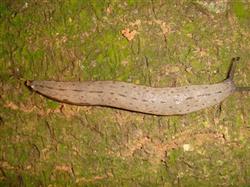
What harm do slugs cause to shiitake mushrooms?
What harm do slugs do to shiitake mushrooms? Please explain: slugs hide by day and feed in groups at night, after rain and on overcast days. They reproduce once a year. Eggs are laid inside the inoculation holes of the mushroom bags, 10 to 20 per cluster. They often live in dark, damp grass, under fallen leaves or beneath soil and stones. The suitable temperature is 15 to 25°C; above 26°C...
条件筛选