-
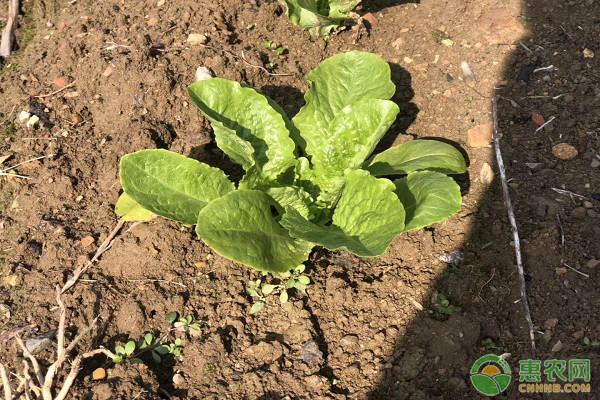
Detailed Explanation of the Harm and Control Methods of Clubroot in Chinese Cabbage
The Harm and Control Methods of Clubroot in Chinese Cabbage
-
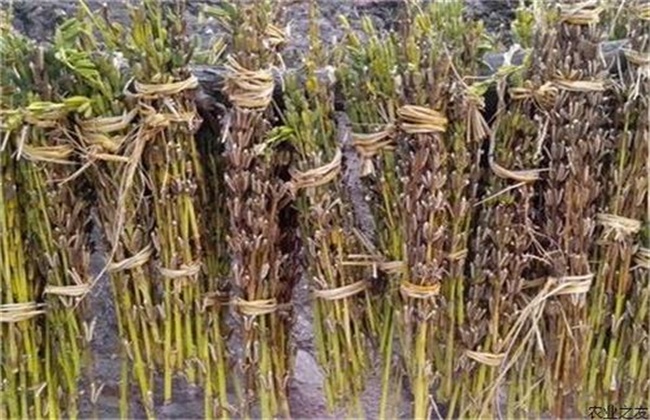
What to Do About Drought in Sesame? Detailed Explanation of the Harm and Preventive Measures
The Harm Caused by Drought in Sesame and Preventive Measures
-
The Harm of Low-Temperature and Low-Light Weather to Greenhouse Vegetables and Countermeasures
In recent years, due to the emergence of haze weather, low-temperature and low-light weather in winter has gradually increased, generally occurring from late November to mid-February of the following year, which is the period of the year with...
-

Which vegetables should not be eaten? What harm does it do to leave vegetables sitting too long? Should you stir-fry on high heat or low heat?
90% of the vitamin C and 60% of the vitamin A that the human body needs from vegetables come from vegetables. In addition, vegetables also contain a wide variety of phytochemicals, which are widely recognized...
-
How serious is the harm of pesticide residues in vegetables?
Everyone knows that pesticide residues in vegetables are harmful to health, but exactly how serious is the harm of pesticide residues in vegetables? Let's take a look together below. Agri...
-

Harm and Control Methods of Dodder in Potatoes
[Host crops] Potato, tomato, eggplant, pepper, Chinese onion, soybean and many other crops. [Disease diagnosis] It occurs sporadically or in patches in the field. Dodder twines its vine stems around the stems of the plants, coiling around them, and at the point of contact with the potato plant it grows haustoria that penetrate into the stem or petiole tissues, absorbing the plant's water and nutrients, causing the affected plants to grow weakly. The plants are stunted, with bent and slender stems, small and yellowing leaves, and few and small tubers. In severe cases, the stems and leaves of the plant are completely covered with dodder, and the whole plant stagnates and stops growing until it dies. The pathogenic dodder is Chinese dodder (Cuscuta chinensis). The dodder stem is slender
-
Rice midge harms rice, how can it be controlled effectively?
Rice midge, commonly known as red worm or red thread worm, damages the young roots and young shoots of rice with its larvae, causing floating seedlings, and feeds on the embryo and endosperm of ungerminated seeds, preventing the seeds from germinating. Rice seedling fields and direct-seeded fields suffer severe damage. The adult is a small moth, with wings shorter than the body; when resting, the front legs are raised and swing up and down. The larvae are red or pale yellow, with a limb-like protrusion on the ventral side of the prothorax. It occurs 2-3 generations per year, and the first generation damages rice. It overwinters as nymphs and adults in weeds. Adults appear in early May of the second year, and lay eggs in late May.
-

What are the harms of excessive wheat growth? Growers should pay attention
The harms of excessive wheat growth
-
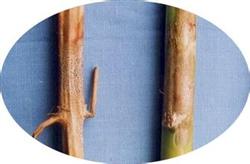
Detailed Explanation of the Harm and Control Methods of Asparagus Pests and Diseases
In recent years, the asparagus planting area has been continuously expanding, and the degree of damage from its diseases has also increased accordingly, causing considerable losses to the vast number of asparagus growers. The main asparagus diseases include: stem blight, root rot, brown spot, damping-off, and tip blight. The common diseases in the growth process of asparagus and their control measures are introduced as follows: 1. ...
-
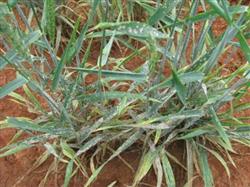
A Complete Analysis of the Harm and Control Measures of Wheat Powdery Mildew
The disease can attack all aboveground organs of the wheat plant, but mainly the leaves and leaf sheaths; in severe cases, the glumes and awns can also be affected. At the initial stage of the disease, white mildew spots of 1-2mm appear on the leaf surface, which then gradually expand into nearly circular to oval white mildew patches. The surface of the mildew patches has a layer of white powder that disperses immediately upon external force or vibration. This...
条件筛选