Which plants are mainly harmed by slugs and snails? Detailed explanation of prevention and management methods
Slugs, this kind of pest, do you know about them? Which plants do these pests mainly parasitize, and what harm do they cause? Let's find out together! Host plants: Regarding crops: beans, lettuce, cabbage, Chinese cabbage, tomatoes and many other garden plants
Slugs, this kind of pest, do you know about them? Which plants do these pests mainly parasitize, and what harm do they cause? Let's find out together!
Host plants: Regarding crops: beans, lettuce, cabbage, Chinese cabbage, tomatoes and many other garden plants. Unlike most insects, slugs and snails are able to digest tissue from a variety of plants.
Host plants: Regarding crops: beans, lettuce, cabbage, Chinese cabbage, tomatoes and many other garden plants. Unlike most insects, slugs and snails are able to digest tissue from a variety of plants.
Where they are found: Several species inhabit gardens around the world, and they are especially troublesome in cool, humid climates.
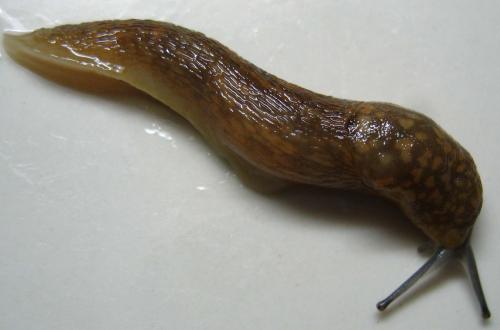
Description: Slugs move over moist leaves, mulch and soil, and densely planted gardens are their favorite habitat. Slugs can be as small as a pea or as large as a thumb, and they all leave a trail of slime as they move. They lay eggs in soil and moist compost, and under ideal conditions their numbers can increase rapidly.
Damage: Slugs and snails chew holes with smooth edges in leaves and fruit, and small seedlings can be completely consumed. Snails feed most intensively at night or during rainy weather.
Preventing problems: Put on rubber gloves, pick up slugs by hand, and drown them in a bucket of soapy water. You can also monitor slug activity by digging small holes 4 inches (10 cm) wide and 6 inches (15 cm) deep and covering them with small boards. If you see many slugs in the holes after three days, take other control measures. In areas with long-term persistent problems, as long as early summer is rainy, you can reduce available habitat by delaying mulching. Natural enemies, including frogs, toads, snakes, turtles, ground beetles, firefly larvae, songbirds, chickens and ducks, eat slugs and their eggs.
Managing an outbreak:
Slugs can easily be lured into traps by placing one inch of beer in a small open container and sinking it into the edge of the soil or mulch. Slugs actively feeding on plants can be controlled with a caffeine spray made from cold coffee or dissolved caffeine tablets, but the spray must wet the feeding slugs to be effective. Although preventive measures are used, in cases where slugs are out of control, iron phosphate bait pellets are considered acceptable under organic standards.