Detailed Guide to Identifying and Controlling Lotus Root Brown Streak Disease Symptoms and Control Methods
Lotus root brown streak disease is widely distributed and occurs in all regions, but it only harms lotus root. 1. Pathogen: This disease is caused by infection with fungi of the genus Alternaria in the Deuteromycotina. The pathogen overwinters in lotus fields as mycelium and chlamydospores with diseased plant residues, and produces conidia under high temperature and high humidity, spreading by wind and rain. 2. Symptoms...
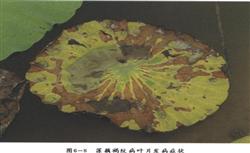
Lotus root brown streak disease is widely distributed and occurs in all regions, but it only harms lotus root.
1. Pathogen: This disease is caused by infection with fungi of the genus Alternaria in the Deuteromycotina. The pathogen overwinters in lotus fields as mycelium and chlamydospores with diseased plant residues, and produces conidia under high temperature and high humidity, spreading by wind and rain.
2. Symptom identification: The lotus root brown streak disease pathogen only harms lotus root leaves. The lesions first appear as small pale yellow spots, gradually expanding into round or irregular brown lesions, which sometimes merge into large patches.
3. Disease conditions: Disease is most likely when lotus fields are poor and infertile, lotus root growth is weak, or after storms.
4. Control techniques:
(1) After harvest, clean the lotus field and collect lotus leaves and diseased residues for centralized burning and destruction.
(2) Before storms arrive, fill the lotus field with deep water to prevent wind damage and avoid lodging of lotus plants.
(3) Strengthen lotus field management, cultivate strong seedlings, and enhance the disease resistance of lotus plants.
(4) At the early stage of disease, choose 25% triadimefon (Bayleton) wettable powder 2000-4000 times solution; or use 1:1:160 equal-strength Bordeaux mixture spray for control, once every 10 days, and 3 consecutive sprays are sufficient.