-
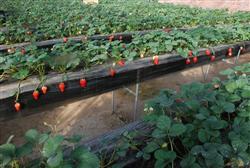
Five timely measures for spring strawberry management
Strengthening spring management is the key to promoting high quality, early ripening and increased yield in strawberries. The specific measures involve doing a good job of the "five timely actions." 1. Remove cold-protection covers in good time. The strawberry is a temperate evergreen plant, and its root system begins to grow when the soil temperature is 1°C to 2°C. In practice, generally when the air temperature is around 5°C, it is time to...
-
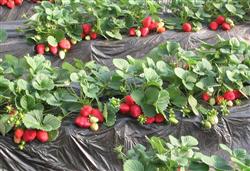
Detailed Explanation of Early Spring Strawberry Management Techniques
1. Do not single-mindedly pursue large-fruited varieties. Large-fruited strawberries have become the goal pursued by many growers; however, the fruit size of the same variety varies within a certain range. Fruits from the primary inflorescence are all relatively large, and the higher the order, the smaller the fruit. Fruit size is not the only indicator for evaluating quality; one must also consider flesh firmness, soluble...
-
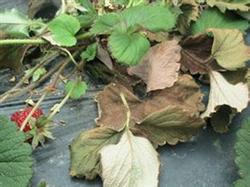
How to prevent and control strawberry Fusarium wilt? A detailed guide to practical management measures
Strawberry Fusarium wilt is a soil-borne fungal vascular wilt disease, and it can occur generally from the seedling stage through the harvest stage. Control methods: 1. Strengthen cultivation management. Drain promptly after rain. When diseased plants are found, pull them out promptly and destroy them in a centralized manner, spray chemicals to sterilize, and at the same time add Xinguozhimou (New High Lipid Film) to enhance the effectiveness of the pesticide. 2. Flowering and fruiting...
-
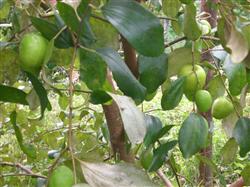
Cultivation Techniques and Management Key Points for Taiwan Green Jujube
Taiwan green jujube was developed from the Indian jujube through years of improvement and selection. Its fruit is large (typically weighing 60-100 grams), with a small pit, crisp flesh, sweet taste, and high nutritional value; moreover, it bears fruit in the same year it is planted, and can enter the full production period in the second year. Taiwan green jujube is a vigorous grower with strong adaptability to temperature, able to withstand high temperatures of 35 degrees and lows of -10...
-
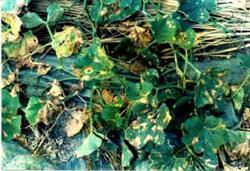
Temperature management methods during pumpkin cultivation
①Practice rational crop rotation, and select excellent disease-resistant varieties according to local conditions. Before sowing, the seeds should be soaked. They can be soaked for 20 minutes in a 500-fold dilution of 50% carbendazim wettable powder plus an 800-fold dilution of New High Lipid Membrane, then rinsed clean with water and sprouted. After sowing, promptly spray New High Lipid Membrane to retain heat and moisture, prevent soil crusting, and improve seedling emergence...
-
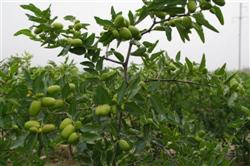
Five common mistakes to avoid in jujube tree management
1. Focusing only on winter pruning while neglecting summer management. Winter pruning of jujube trees can adjust tree vigor, improve ventilation and light conditions inside the canopy, help concentrate nutrients, and improve the quality of jujube fruit the following year. "Winter pruning grows the tree, summer management sets the fruit." The main summer management measures: removing sprouts, pinching tips, bending branches, and thinning out overly dense branches and vigorous upright branches. Some jujube growers...
-
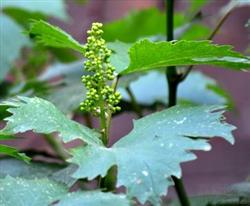
Detailed Explanation of Key Grape Spring Management Techniques
Spring is the season when grapes bud and unfold leaves, canes extend, and they send out clusters and bloom and set fruit. How to strengthen spring grape management and improve grape yield and quality is a matter of widespread concern among fruit growers. The following focuses on the main management work for grapes from February to April. 1. Late February to early March, budding stage: irrigate to promote bud break,...
-
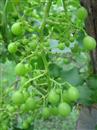
How to strengthen management during the flowering period of greenhouse grapes? These key points must be done well
1. Pinch off the growing tips at the right time. Greenhouse grapes should be trained with a trellis system, and heavy pinching should be done early to control excessive growth. When the main vine grows to 60-80 cm, remove the terminal secondary shoot but keep the winter bud, and pinch all other secondary shoots leaving 1 leaf. After 25 days, when the terminal winter bud sprouts and grows 6-7 leaves, pinch leaving 5 leaves, and remove the terminal secondary shoot but keep the winter bud; after the winter bud sprouts again...
-
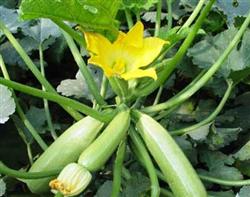
Three key management tasks after transplanting spring-sown zucchini
Early fruiting stage: the 20-25 days from transplanting to the harvest of the first fruit is the early fruiting stage. The key management points are keeping warm, controlling water, intertillage, and promoting roots and protecting seedlings. From transplanting to the recovery stage, keep the greenhouse closed for 5-7 days to preserve heat, cover with straw mats in the morning and evening, and maintain the daytime temperature inside the greenhouse at 25°C-30°C, nighttime at 15°C-18°C, and soil temperature at 20°C-25°C. After the recovery stage...
-

Detailed Explanation of the Planting Methods and Field Management Points for Lambsquarters
Planting Methods for Lambsquarters
条件筛选