-
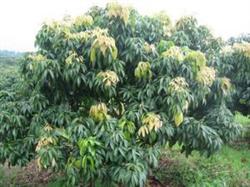
Detailed Explanation of Spring Management Measures and Technical Points for Lychee
China generally experiences dry climate, which promotes nutrient accumulation and flower bud differentiation in lychee and longan. It is currently spring, and lychee management during this season is a key link related to the quality of growth and development in the current year. Based on the current growth and development situation of lychee and longan, the following technical work opinions for spring management are specifically proposed. Lychee due to...
-
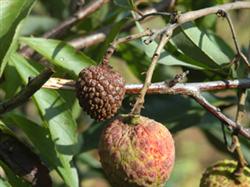
Detailed Explanation of Key Points in Lychee Cultivation and Management Techniques
Lychee anthracnose is an important lychee disease. It damages young leaves, flower spikes and fruits. It causes a large number of rotten and fallen fruits during the lychee ripening period. [Symptoms] Leaf damage often starts at the leaf tip, initially producing round or irregular light brown small spots, which then rapidly expand into dark brown large spots with unclear edges. In...
-
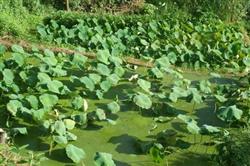
Detailed Guide to Lotus Root Cultivation: Master All Key Points of Cultivation and Management
Lotus root belongs to the Nymphaeaceae family as a perennial aquatic plant, also known as pond lotus and furong. It prefers a warm, humid climate and requires ample sunlight, fertile deep soil, and an environment with adjustable water levels. Its fruit is called the lotus seed, its rhizome is called lotus root, and its flower is called the lotus. The main edible part is the rhizome. Lotus root is rich in nutrients and can be boiled, pan-fried, and...
-
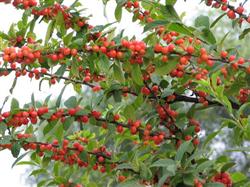
Key Points of Spring Management Techniques for Young Sweet Cherry Trees
The spring management techniques for young sweet cherry trees are summarized as follows: 1. Fertilization. Before bud break, apply 50 grams of urea per tree, and water thoroughly to thaw the soil. 2. Pollination. Sweet cherries are generally cross-pollinated species, with few self-pollinated species; planting not only requires pollinizer trees, but pollination measures must also be taken during the flowering period, generally manual point...
-

-

When ginger enters the enlargement period, these management points must be mastered
Management points during the ginger enlargement period
-
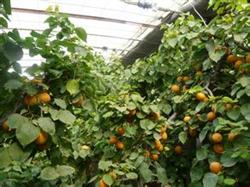
Key management points for greenhouse apricot trees after entering spring
Key management points for greenhouse apricot trees in spring. For apricot trees in winter-warm greenhouses, the fruit development period runs from mid-February to the end of April. This period is divided into three main development stages. The first stage is the apricot tree's first rapid growth period and new shoot growth period, lasting 28-34 days; the second stage is the pit-hardening period, lasting 8-12 days; the third stage is the apricot fruit's second...
-
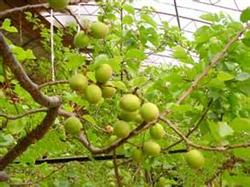
Spring management of greenhouse apricot trees to promote development
For apricot trees in a warm winter greenhouse, the fruit development period runs from mid-February to the end of April. This period is divided into three main development stages. The first stage is the first rapid growth period of the apricot tree and the new shoot growth period, lasting 28-34 days; the second stage is the pit-hardening period, lasting 8-12 days; the third stage is the second rapid growth period of the apricot fruit and the new shoot growth period, lasting...
-
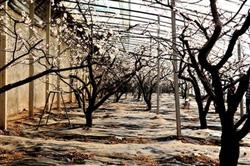
Ten management practices for protected cultivation of apricot trees
Because large flat apricot trees are cold-resistant and drought-resistant, they are mostly planted on poor, barren slopes, and because their root systems are strong and spread throughout the orchard, plowing and turning the soil is difficult. In addition, the land preparation standard at planting time is not high, which often leads to soil compaction, poor permeability, easy occurrence of soil-borne diseases (such as root rot), difficult fertilization, and laborious intertillage, ...
-
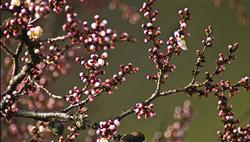
Detailed Explanation of Key Technical Points for Flower and Fruit Management of Apricot Trees
I. Artificial Pollination Apricot trees rely on bees and others for pollination. But experience shows that carrying out artificial supplementary pollination can increase the fruit-setting rate by 3-4 times compared with natural pollination. Artificial supplementary pollination should be carried out during full bloom, because the apricot flowering period is very short (5-7 days), so preparations should be made in advance. Apricot flower stalks are fragile and break easily, so extra care should be taken during pollination...
条件筛选