Five common mistakes to avoid in jujube tree management
1. Focusing only on winter pruning while neglecting summer management. Winter pruning of jujube trees can adjust tree vigor, improve ventilation and light conditions inside the canopy, help concentrate nutrients, and improve the quality of jujube fruit the following year. "Winter pruning grows the tree, summer management sets the fruit." The main summer management measures: removing sprouts, pinching tips, bending branches, and thinning out overly dense branches and vigorous upright branches. Some jujube growers...
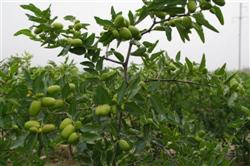
I. Focusing only on winter pruning while neglecting summer management. Winter pruning of jujube trees can adjust tree vigor, improve ventilation and light conditions inside the canopy, help concentrate nutrients, and improve the quality of jujube fruit the following year. "Winter pruning grows the tree, summer management sets the fruit." The main summer management measures: removing sprouts, pinching tips, bending branches, and thinning out overly dense branches and vigorous upright branches. Some jujube growers do not pay attention to summer management, or do not carry it out in time, which leads to a large number of young jujubes dropping and, in severe cases, affects the yield of that year.
II. Focusing only on aboveground management while neglecting belowground management. Some jujube growers do not fertilize their jujube trees for several consecutive years, or only apply fertilizer and water symbolically. As a result, although the aboveground management work is orderly, the lack of belowground nutrients also causes the tree to become extremely weak, reducing the quantity of jujube fruit produced and worsening its quality.
III. Focusing only on chemical fertilizers while neglecting organic fertilizer. Long-term application of chemical fertilizers can lead to soil compaction, a rise in soil pH, lower sugar content in the fruit, declining quality, and loss of the original flavor. Applying more organic fertilizer can promote soil microbial activity, improve soil structure, increase nutrient use efficiency, and lay a good foundation for producing pollution-free fruit.
IV. Focusing only on pre-harvest management while neglecting post-harvest management. Before harvesting jujube fruit, jujube growers often manage the jujube trees, but after harvest, most jujube growers give up managing the jujube orchard. This practice is inappropriate. Because after the jujube fruit is harvested, a large amount of nutrients has been consumed and the tree is extremely weak; at this time it precisely needs to accumulate nutrients to prepare for a bumper harvest the following year.
V. Focusing only on killing insects and not on disease prevention. Some jujube growers believe that when spraying jujube trees, it is enough to control the fruit borer. This idea is inappropriate. Because the main jujube tree diseases, such as jujube rust and fruit shrinkage disease, are equally serious in their harm to jujube trees, so in management one should strive to give equal weight to insect killing and disease prevention.