-

Key Technical Points and Cultivation Management Methods for Brazilian Banana Planting
I. Selection of Banana Orchard Site A Brazilian banana orchard requires loose soil, a deep and fertile soil layer, a low groundwater table, easy irrigation and drainage, abundant sunlight and air, and convenient transportation. II. Land Preparation 1. Opening the Orchard and Preparing the Land At present, banana planting in our city mostly uses paddy fields, and paddy fields generally have a high groundwater table,...
-
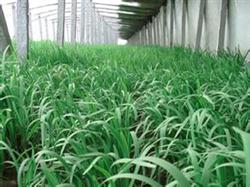
Key Technical Points for Early Spring Management of Greenhouse Chives
1. Temperature management. Chives prefer cool conditions, with an optimum growing temperature of 15-24°C, and should be ventilated appropriately during the day. To promote sprouting, after the greenhouse is covered, the daytime room temperature should be kept at 18-25°C, and after sprouting, the daytime room temperature should be controlled at 17-23°C. Before the first harvest of chives, the daytime temperature should be 15-22°C and the nighttime temperature 10-12°C. After each subsequent harvest...
-
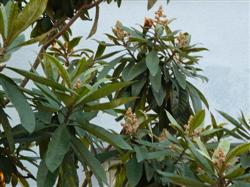
What are the winter management techniques for loquat trees?
First, apply winter fertilizer well, control excessive shoot growth, and strengthen the flower-forming genes and flower organs and ovaries. Promote and control, promote flowering, disinfect, and activate all in one go. This enables the fruit tree to bloom more and set more fruit year after year, protect and plump the fruit, and achieve stable yields and high quality. Second, carefully do the work of thinning and retaining flowers. For young loquat trees, growth should be allowed to expand the canopy, and the terminal flowers and...
-
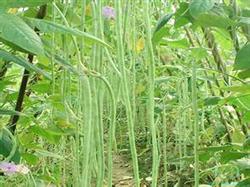
Methods for High-Yield Cowpeas: Scientific Planting and Management Are Key
1. Cowpeas can be direct-sown or raised as seedlings and transplanted; generally, seedling raising and transplanting is practiced, as it can appropriately suppress vegetative growth and promote reproductive growth. Choose good land, apply base fertilizer, water appropriately, use disease-resistant seeds, and treat the seeds with New High Lipid Film. This can repel underground pests and diseases, isolate viral infections, and does not affect germination...
-
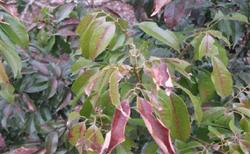
How to protect longan from the cold in winter? These management points you need to master
1. Cultivate robust autumn shoots. Autumn shoots are the fruiting mother branches of longan for the coming year and are also one of the main branches for longan to overwinter. Whether the autumn shoots are robust affects their ability to withstand cold during overwintering. Therefore, the last autumn shoots of longan are generally controlled to emerge in mid to late October. Before the shoots emerge, it is best to apply a light application of nitrogen fertilizer and water, so that the shoots emerge uniformly, and strive to...
-
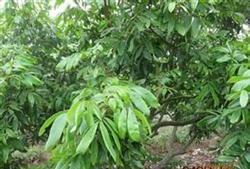
Key Management Measures for Lychee and Longan from November to December
November-December is the critical period and sensitive stage for the growth and development of autumn shoots, and classified management of autumn shoots must be implemented. 1. For the early-maturing Sanyuehong, flower bud differentiation begins in mid-to-late October, and winter shoots that sprout thereafter cannot form flowers and should all be removed. 2. For early-maturing lychees such as Bai Tang Ying (5158, -8.00, -0.15%) and Feizixiao in western Guangdong, new shoots that emerge in early October need more foliar fertilizer sprays to accelerate maturity, and early winter shoots that grow after November have no hope of flowering the next year and must be controlled and killed.
-
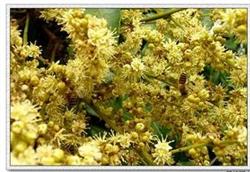
Management methods for lychee and longan during continuous rainfall
When longan blooms during continuous overcast and rainy weather, the anthers do not split open, pollination and fertilization are difficult, and the flowers pile up, causing flower soaking and rot, resulting in no fruit or poor fruit set. Yuhualing Technology hereby reminds fruit growers to pay attention to preventing flower soaking. 1. Do a good job of flower thinning. For those with short flower panicles, many lateral flower panicles and dense flower buds, thinning is needed before flowering...
-
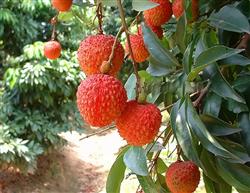
How to manage fruit-bearing litchi and longan trees? A complete analysis of the key management points
I. Do a good job of post-harvest management 1. Harvest at the right time. When harvesting the fruit, use the two-cut method for each fruit: first cut off the fruit cluster together with the base of the fruiting branch, or even the base of the branch below the fruiting mother branch, and only then cut off the fruit cluster. How far back the branches below the fruit cluster are pruned depends on how well the branches of the fruiting mother branch have grown; prune back shorter for well-grown ones and longer for poorly grown ones.
-
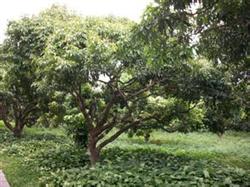
Key Management Techniques for Lychee in August and September
All post-harvest management work on lychee is carried out around the goal of cultivating robust autumn shoots. As the bearing mother branches for the coming year, the shoot timing and thickness (level of nutrient accumulation) of lychee autumn shoots will directly affect shoot control for flower promotion and flower formation. From production surveys, lychee trees in our city have generally already pushed out...
-
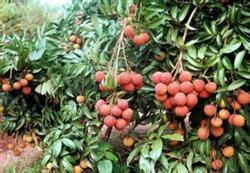
Five key management measures for post-harvest lychee care
In May and June, some early-maturing lychee varieties are soon harvested, and it is time to enter the post-harvest management period. Fruiting consumes a large amount of nutrients in lychee, and picking the fruit damages the branches, giving the tree a kind of "internal injury." Therefore, timely management after harvest is needed so the lychee can be replenished with nutrients early and lay the foundation for a bumper crop next year. Otherwise the tree...
条件筛选