-
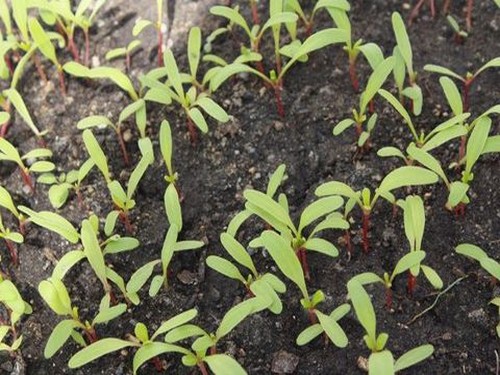
What are the management techniques for Clivia miniata bonsai seedlings?
Seedlings refer to shoots about half a year old, with about 1-3 leaves. Seedlings like light and high temperatures, and the temperature can best be controlled at 20-30°C. When the seed grows its first true leaf from the coleoptile, the plant begins its own development. Seedlings are ready for repotting about 3 months after sowing
-
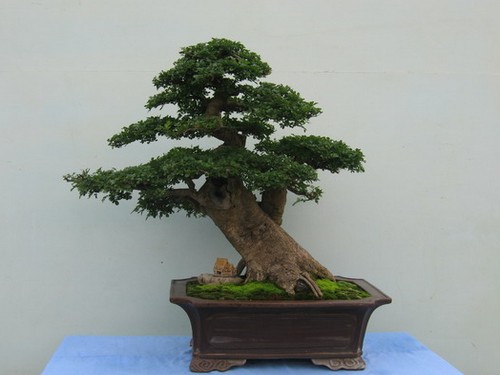
Four-Season Water Management Methods for Chinese Ash Bonsai
Chinese ash (Fraxinus chinensis) grows slowly, has a long lifespan, a beautiful tree form, and gnarled, intertwined roots. It is the finest among landscaping, bonsai, and root-carving varieties, and is hailed as a "living fossil" and the "king of bonsai." In daily water management work, the water regimen for Chinese ash bonsai can be summed up as "heavy watering." Heavy watering: there must be sufficient moisture, and slightly wet is better than dry. Water more in spring.
-
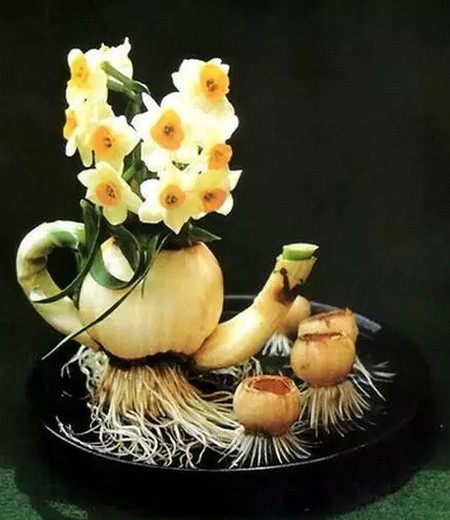
Methods for Carving and Shaping Narcissus Bonsai and Key Points for Care and Management
Narcissus has elegant, understated flowers and a subtle, delicate fragrance. It is commonly grown at home in water and blooms around the Spring Festival, and is known as the "Fairy of the Waves." Careful observers will notice that some bulbs in flower markets bear cut marks. This is not because the bulbs rotted and the shop removed the damaged parts.
-
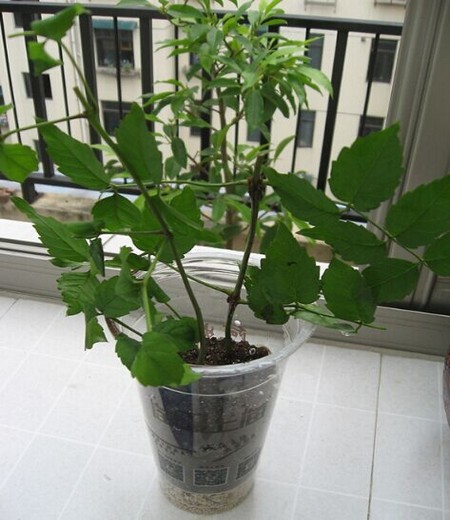
Chinese Trumpet Creeper Propagation Methods and Key Points of Seedling Management Techniques
Chinese trumpet creeper (Campsis grandiflora) originated in central China and has a cultivation history of more than 2000 years. A complete flower of Chinese trumpet creeper is about 4-5cm, and the color is extremely vivid, mostly yellow-brown to brown. The propagation of Chinese trumpet creeper is mainly by layering and cuttings. Because Chinese trumpet creeper grows fast and blooms many times, attention should be paid to pruning and fertilizing.
-
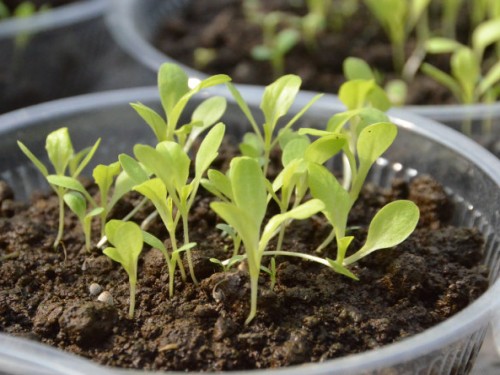
Snapdragon sowing method and management tips after germination
Snapdragon not only has a huge variety of flower colors, but also has an exceptionally long flowering period, making it a very good herbaceous plant. It is generally grown from seed, and the best sowing seasons are spring and autumn. The flowering period is generally from March to June. So that flower lovers can have a deeper understanding of snapdragon, we will start with sowing: snapdragon sown in spring needs about 100 days to bloom
-
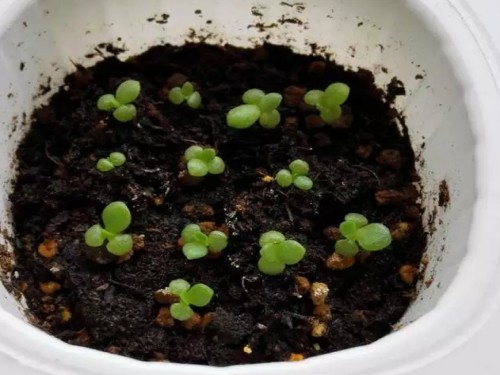
Management Methods After Sowing Landscape Flower Seeds
Flower propagation is divided into sexual propagation and asexual propagation. Sexual propagation is the use of seeds sown to reproduce offspring. Asexual propagation is also called vegetative propagation, using a part of the plant's vegetative organs to cultivate new plants; the methods include cuttings, division, grafting and layering. Among them,
-
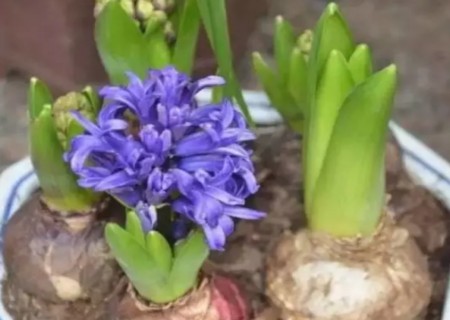
Detailed Guide to Care and Management After Planting Hyacinths
Generally speaking, for a hyacinth that has already bloomed, you only need to wrap the bulb in newspaper or the like, place it in a cool, ventilated spot, and take it out around October of the following year to replant. Of course, you can also buy bulbs for planting. When selecting bulbs, be sure to choose ones with bright skin color and a firm texture
-
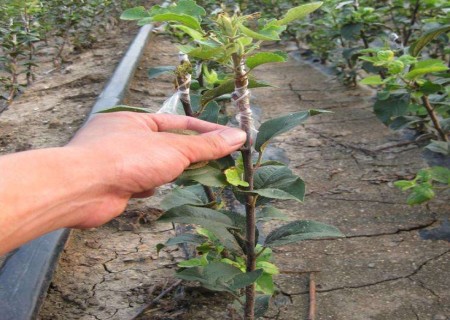
Pear Grafted Seedling Management Methods and Technical Key Points
Transplanted grafted pear seedlings, due to the high density in the sowing nursery, often grow unevenly. It is best to divide and replant the successfully grafted semi-finished seedlings before spring budding in the second year, in order to expand the nutrient area of the young seedlings. At the same time, cutting the root system also solves the problem of the rootstock's main root being too long. After divided replanting,
-
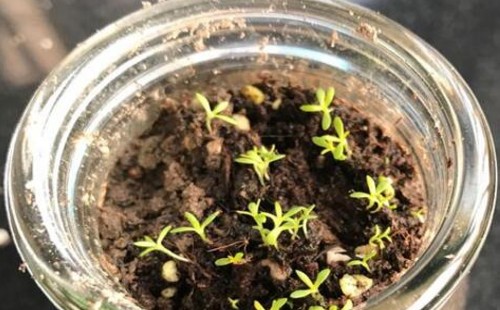
Care Methods and Management Points After Baby's Breath Germination
Baby's breath has slender and dense flower stems, with small flowers in great numbers. Grown as a potted plant, it can present itself in the form of a large flower ball when in bloom, very elegant. Moreover, many people like to sow and propagate potted seedlings at home, and as long as the ambient temperature and humidity are suitable, the seeds germinate quite quickly.
-
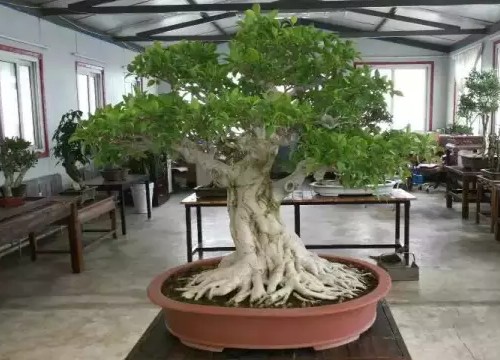
How to grow Lingnan ficus bonsai? Detailed care and management tips
Lingnan ficus bonsai can grow for three or four seasons, but during this process it tends to grow fast, become obese easily, and have tender bark color, which leads to a decline in the age quality of many finished works. In our area, affected by the cold climate, the bark grows slowly, giving it the characteristics of mature color, tight bark, and an aged trunk.
条件筛选