-
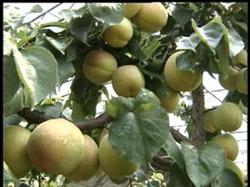
Key Points of Apricot Cultivation Techniques, Detailed Explanation of Planting and Management Methods
1. Orchard establishment: Choose sandy loam orchard land with deep, fertile soil that can be irrigated and drained; waterlogged lowlands, heavily saline-alkali land, and replanted land are not suitable for orchard establishment. For pollinizer trees, choose varieties whose flowering period coincides with or is slightly earlier than that of the main cultivar; the ratio of pollinizer varieties to the main cultivar is generally 1:6-8. Planting density on plains: spacing between plants and rows 3 m x 4-5 m; in...
-
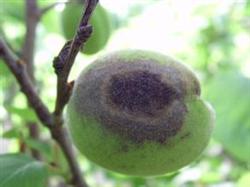
Post-harvest management of apricot trees must keep pace; these key points are essential
Symptoms Apricot brown rot has two symptom types. One affects nearly ripe fruit, initially forming dark brown, slightly sunken round lesions, which then rapidly expand, soften and rot, covered with yellowish-brown velvety granules, arranged in whorls or irregularly; affected fruit mostly drops early or rots, with a few hanging on the tree to form mummified fruit. The other affects fruit...
-
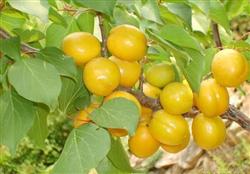
Key Technical Points for Fertilization and Irrigation Management of Apricot Trees
(1) Fertilization: Each year in September to October, after new shoots stop growing, apply sufficient base fertilizer, mainly organic fertilizers such as barnyard manure and chicken manure, combined with a certain amount of quick-acting fertilizer. The amount of fertilizer applied should be determined according to the size of the tree and its growth conditions. Usually, apply 30-50 kg of organic fertilizer per tree, plus about 0.5 kg of compound fertilizer specially formulated for fruit trees. After sprouting...
-
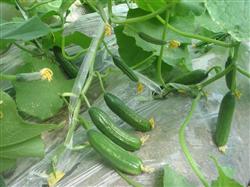
Key Cultivation and Management Techniques for Fruit-Type Cucumbers in Spring Season
Land preparation, fertilization, and transplanting. Fruit-type cucumbers produce a large number of fruits and require an ample nutrient supply. It is advisable to select loam soil with a deep soil layer, high organic matter content, and good water and fertilizer retention for planting. Before transplanting, apply 5000 kg of decomposed organic fertilizer per 667 sq m, along with 30 kg of superphosphate, 200 kg of cake fertilizer, and 5...
-
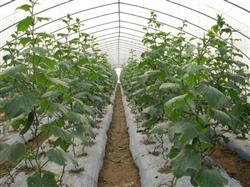
Detailed Explanation of Key Management Techniques for Spring Cucumber Cultivation
I. Careful Soil Preparation and Applying Organic Fertilizer in Layers. Cucumber seedlings have a high water content in their roots and stems and are brittle and prone to breaking; they fear waterlogging but cannot tolerate drought. Therefore, when preparing the soil, the ground should be level and slightly sloped to one side to facilitate drainage and irrigation, with no large clods and rich in organic matter. When plowing and harrowing, apply sufficient decomposed chicken manure and cake fertilizer in layers, ...
-
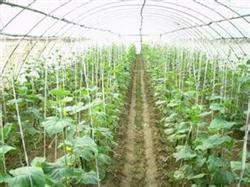
Spring cucumber planting is all about management: master the key technical points to boost yields
Cucumber is one of people's favorite vegetables. It contains various sugars, free amino acids, vitamins, cucurbitacin, and calcium, phosphorus, iron, and more. Among these, cucurbitacin has anti-tumor effects. Cucumber also has the effects of clearing heat and promoting diuresis, detoxifying, and relieving sore throat and heat-related abdominal pain. Cucumbers are generally planted at 3500 plants per mu, with a yield of 5000-8000 kg per mu...
-
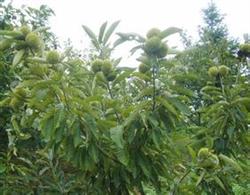
Detailed Explanation of Key Management Techniques for Chestnut Trees After Fruit Harvest
(1) Disease Control 1. Dieback Disease Dieback disease, also known as chestnut blight, chestnut trunk blight, or chestnut bark rot, is a fungal disease. The pathogen mostly invades through wounds, mainly damaging the trunk and branches. It is not easy to detect in the early stages. When lightly scraping the bark with a small knife, small reddish-brown spots can be seen. After the spots merge into patches, the bark surface becomes raised...
-
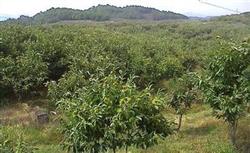
Detailed Explanation of Key Points on Chestnut Cultivation and Management Techniques
Chestnut is a well-known excellent dried fruit tree species of the Fagaceae family. The people of our country have a cultivation history of several thousand years and have accumulated rich experience. It occupies an important position in the economic life of our people. Chestnuts are rich in nutrition and delicious in taste. They can be eaten fresh, stir-fried, boiled, and made into various pastries and dishes. They have the characteristics of being sweet, fragrant, and glutinous...
-
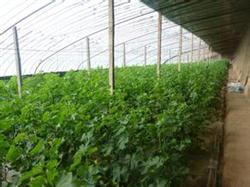
Key Points of Greenhouse Cucumber Management Techniques After Spring Festival
Manage Fertilizer and Water Well In mid-to-late February, most greenhouse cucumbers enter the peak fruiting period, and their demand for fertilizer and water gradually increases. Therefore, topdressing cucumbers should preferably be carried out after the end of February, generally applying 20 kg of urea, 5-8 kg of monopotassium phosphate, or 30-35 kg of potassium sulfate compound fertilizer per 1/15 hectare, once every 20...
-

条件筛选