-
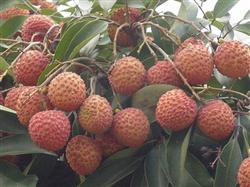
Increasing lychee yields requires management tailored to local conditions
"Due to limited land and water resources, lychee cultivation must transform its current production methods." Li Li from the Economic Crops Division of the National Agricultural Technology Extension Center of the Ministry of Agriculture pointed out that improving per-unit yield and quality through scientific fertilization and pesticide use, and supporting farmers' cooperatives and leading enterprises, can promote the healthy development of the lychee industry. How to...
-
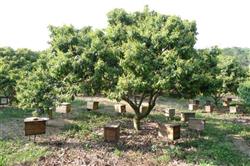
What are the key measures for spring management of lychee?
From September last year to January this year, the weather remained warm and dry, with little rain, which promoted nutrient accumulation and flower bud differentiation in lychee and longan. Due to different varieties of lychee, tree conditions vary greatly, and corresponding measures should be taken according to specific situations for management: (1) Apply flower-strengthening fertilizer: after flower panicle formation...
-
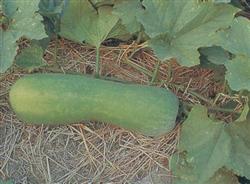
Key Points of Fertilization Management Techniques for High-Quality and High-Yield Winter Melon
In Dongxia Town, Qingzhou City, the overwintering summer melons grown by vegetable farmers are mainly cultivated in a creeping manner, similar to watermelon cultivation, which results in the melon body touching the ground, uneven light exposure on the top and bottom of the winter melon, the part touching the ground turning white or developing yellow-brown necrotic spots, or even rotting, while the upper part of the melon exposed to direct sunlight is prone to sunburn...
-
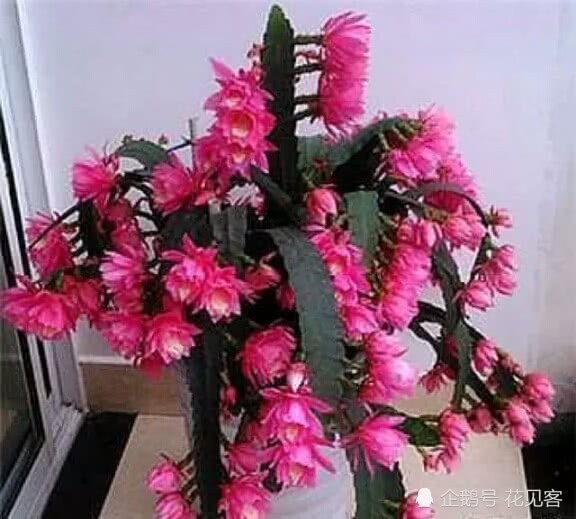
The epiphyllum blooms 100 flowers at once; an old flower farmer has a secret to fertilizer and water management
The epiphyllum belongs to the cactus family. Its stems are rather flat and lance-shaped, closely resembling an arrow, and its flowers look like water lilies, which is why it is called the epiphyllum. It has high ornamental value and is deeply loved by many flower enthusiasts. The epiphyllum is a relatively easy plant to grow...
-
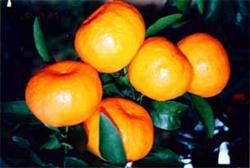
Detailed Explanation of Key Points of Late-Stage Cultivation and Management Techniques for Citrus
After citrus fruits are harvested, soaking them in a New High-Lipid Film solution has a good preventive and control effect on blue mold, green mold, anthracnose, stem-end rot, black rot and other diseases during the storage period of citrus. At the same time, it can prevent water evaporation, prevent pathogen infection, resist freezing and preserve heat, does not affect the crop's water absorption, air permeability or light transmission, protects the crop from infection by external diseases, and extends freshness...
-
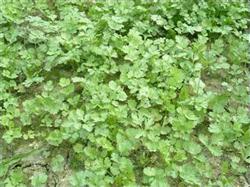
What are the management techniques for coriander after the Start of Autumn?
Characteristics and control methods: It occurs mostly in low-lying, humid plots. After the coriander root system is affected, the main root turns yellow-brown or brown, soft and rotting, with no or almost no fibrous roots. When pulled by hand, the plant's root system breaks off. Above ground, the plant appears stunted, the leaves turn yellow and withered, and it loses its marketability. The control method is to avoid as much as possible planting in low...
-
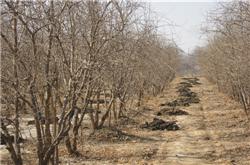
Detailed Explanation of Key Points of Guava Soil Cultivation and Management Techniques
The application of guava fertilizer should be based mainly on slow-release organic fertilizers, with chemical fertilizers as a supplement. Organic fertilizers cover a very wide range, including plant matter, animal matter and animal excreta, etc. The composition of organic fertilizers is extremely important. Commonly used ones include rice bran, castor meal, rapeseed meal, soybean powder, peanut meal, discarded rice husks, sugarcane bagasse, discarded...
-
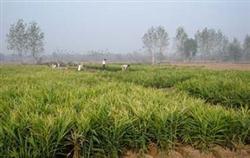
Key Technical Points and Precautions for Ginger Management After Autumn
After the Beginning of Autumn, the weather turns cool and the ginger rhizomes enter a period of rapid expansion. During this period, the demand for water and fertilizer is relatively high, and pests and diseases occur more frequently, making it a critical time for control. Strengthening mid-to-late stage management of ginger is very important. The relevant technical points are introduced below. 1. Watering: Ginger prefers moist conditions and is not drought-tolerant...
-
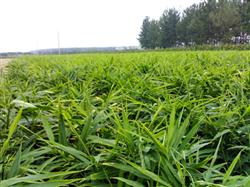
Detailed Explanation of Key Technical Points for High-Yield Ginger Cultivation and Management
I. Pre-planting Preparation 1. Fine land preparation and adequate base fertilizer. It is advisable to choose plots with fertile soil, good irrigation conditions, and no ginger blast disease, and to avoid continuous cropping as much as possible. On the basis of winter plowing, carry out fine land preparation early in spring, so that the soil has no visible or hidden clods and is loose on top and firm below. Increase the application of organic fertilizer, using high-quality chicken manure, disease-free residue-free barnyard manure, cake fertilizer, and plant ash in combination, and broadcast 4 cubic meters of high-quality decomposed chicken manure or 5,000-10,000 kg of high-quality barnyard manure as base fertilizer in combination with land preparation. In high-fertility and high-water plots, open furrows at a row spacing of 60-65 cm for sowing, and apply 100 kg of soybean cake, 50 kg of ternary compound fertilizer, 50 kg of potassium sulfate, 2 kg of zinc fertilizer, and 1 kg of boron fertilizer in the furrows as seed fertilizer.
-
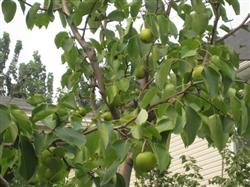
How should the first hurdle of pear tree management be handled well?
Rationally distributing the tree's stored nutrients and reducing useless consumption is one of the important techniques for promoting normal tree growth and producing high-quality fruit. The period from flowering to fruit set is an important time that determines the number of fruits set on the pear tree that year, the development of young fruit, and whether the leaf area that creates the material conditions for later fruit development can form early. During this period...
条件筛选