Methods for High-Yield Cowpeas: Scientific Planting and Management Are Key
1. Cowpeas can be direct-sown or raised as seedlings and transplanted; generally, seedling raising and transplanting is practiced, as it can appropriately suppress vegetative growth and promote reproductive growth. Choose good land, apply base fertilizer, water appropriately, use disease-resistant seeds, and treat the seeds with New High Lipid Film. This can repel underground pests and diseases, isolate viral infections, and does not affect germination...
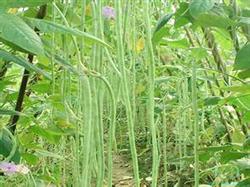
1. Cowpeas can be direct-sown or raised as seedlings and transplanted; generally, seedling raising and transplanting is practiced, as it can appropriately suppress vegetative growth and promote reproductive growth. Choose good land, apply base fertilizer, water appropriately, use disease-resistant seeds, and treat the seeds with New High Lipid Film. This can repel underground pests and diseases, isolate viral infections, without affecting the imbibition and swelling function of germination, enhance respiratory intensity, and increase the seed germination rate.
2. The transplanting time for cowpeas should be determined according to the cultivation method and growth indicators. When using nutrient soil blocks for seedling raising, transplanting can generally be done when the first compound leaf unfolds. When using nutrient pots for seedling raising, transplanting can be delayed until there are 2 to 3 compound leaves. After the seedlings are transplanted, spraying New High Lipid Film can effectively prevent above-ground water from evaporating and seedling moisture from transpiring, isolate pests and diseases, shorten the seedling recovery period, and help them quickly adapt to the new environment and grow healthily.
3. In the early stage, cowpeas should not be fertilized too much, to prevent excessive fertilizer and water from causing excessive vegetative growth. Reasonable watering, fertilizing, weeding, and pest and disease prevention should be carried out. Spraying targeted pesticides plus New High Lipid Film greatly improves the utilization rate of the effective components of pesticides and fertilizers, is not afraid of evaporation under strong sunlight, can regulate water absorption, and provides drought and rain protection.
4. After the plants bloom and form pods, fertilizer and water should be increased. After the vines begin to grow, trellises should be set up in time, with a trellis height of 2.0 to 2.5 m. After the trellises are set up, the vines should be guided in time. Vine guiding should be done on a sunny afternoon, not on rainy days or in the morning, to prevent breakage. Spraying Caiguo Zhuangdiling can enhance the pollen fertilization quality of fruit vegetables, strengthen the cyclic fruit-setting rate, promote fruit development, and result in no deformities, no empty shells, and no shriveled grains, with good uniformity, improved quality, and high yield of the vegetables.