-
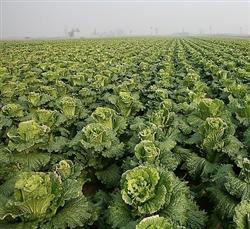
Napa Cabbage Seed Selection Methods and Cultivation Techniques Explained in Detail
Napa cabbage is a leafy vegetable with a large number of leaves, and it forms a head (leaf ball) that is the main harvested organ. Generally, the yield can reach 4000-5000 kg per mu. Napa cabbage has a long growth period, and to achieve high yields, several key techniques must be mastered: 1. Apply sufficient base fertilizer: base fertilizer is the foundation for a bountiful napa cabbage harvest. Generally, old vegetable...
-
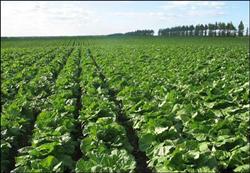
How to grow off-season cabbage? Detailed planting techniques
1. Spray rice vinegar: From the rosette stage to the heading stage of Chinese cabbage, spray a 300-500 times diluted rice vinegar solution, once every 7-10 days, for 2-3 consecutive sprays, which can increase yield by 15%-30%. 2. Spray rare earth: At the rosette stage, heading stage, and hearting stage, spray 0.03%, 0.05%, and 0.08% rare earth nitrate solutions respectively, for a total of 3 sprays,...
-
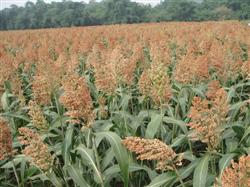
How to Grow Sorghum for High Yields? A Complete Guide to Cultivation Techniques
Sorghum is one of the main dryland crops in Haicheng City, with characteristics such as drought and waterlogging tolerance, salt and alkali tolerance, and strong adaptability. Due to changes in people's dietary structure in recent years, sorghum grain has once again become "favored" and is one of the staple foods people prefer. Appropriately expanding the sorghum planting area can achieve crop rotation and stubble succession, balance...
-
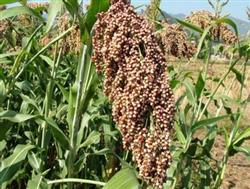
Detailed Explanation of Key Points of New High-Yield Sorghum Cultivation Techniques
1. Timely sowing to ensure full stands. The basis for determining sowing time is soil temperature and soil moisture. In early spring, when the soil temperature at a depth of 10 cm reaches 12°C and the moisture content is 15-20%, sowing can begin. When necessary, irrigate first to replenish soil moisture before sowing, or sow with water to supplement moisture, to prevent sprout drying and uneven emergence. In the main sorghum production areas of Liaoning, the western Liaoning...
-
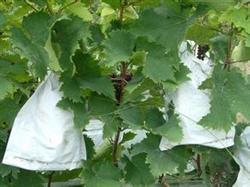
A detailed guide to grape bagging techniques, master all the key methods
In order to enhance the market competitiveness of grapes, the promotion and application of bagging technology on grapes has become a consensus among growers, but how can the benefits of bagging be maximized? Pre-bagging preparation: 1 week before flowering, trim the flower clusters. For large clusters, remove the secondary clusters and 1 to 8 branch axes at the base of the main axis; for small clusters, remove few or none. Pinch...
-
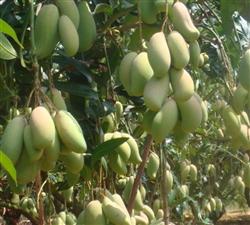
Detailed explanation of key points of fertilization techniques for fruiting mango trees
Fertilization of fruiting mango trees should be based on the principle of reasonably adjusting the contradiction between vegetative growth and reproductive growth. It is necessary both to promote flowering and fruiting in the current year and to control excessive summer shoot growth, and also to promote the sprouting and robust growth of autumn shoots, laying a good foundation for continued high yields the following year. The types of fertilizer applied are still mainly nitrogen, phosphorus, and potassium fertilizers, especially...
-
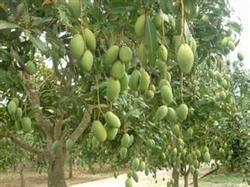
Detailed Explanation of Field Management Techniques for Pollution-Free Mango
I. It can flower and bear fruit in all four seasons of the year. The first crop flowers from late February to late March and the fruit ripens from late June to late July; the second crop flowers in late April and the fruit ripens in late July; the third crop flowers from late July to early August and the fruit ripens in late November; the fourth crop flowers in late September and the fruit ripens from March to April of the following year. II...
-
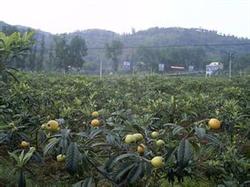
What are the key points of loquat cultivation techniques in spring and summer in southern China?
Loquat cultivation management in spring and summer in southern China is very important, and has a great impact on the level of loquat yield and the quality. Only by conscientiously grasping loquat cultivation management, doing well in fertilization, pest and disease control, flower and fruit thinning, and fruit bagging and other management techniques, can the loquats produced not only have high yield, good quality and low pesticide residues, as far as...
-
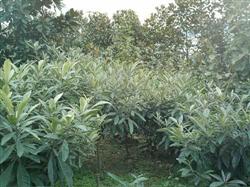
Detailed Explanation of Key Post-Harvest Scientific Management Techniques for Loquat
Loquat harvesting is now basically finished, and post-harvest production management directly affects tree vigor growth and next year's fruiting. Post-harvest production management of loquat should mainly be carried out in three aspects: fertilization, pruning, and pest and disease control. Apply sufficient post-harvest fertilizer. After loquat harvest, fertilizer should be applied in time to promote the development of summer shoots. The fertilizer should be mainly nitrogen fertilizer, ...
-
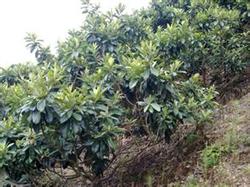
Detailed Explanation of Key Post-Harvest Management Techniques for Loquat
To overcome the alternate bearing phenomenon in loquat caused by poor management, post-harvest management must be strengthened to prepare for a good harvest next year. 1. Strengthen fertilizer and water management (1) In April-May after fruit harvest, apply fertilizer by the ring trench method around the perimeter beneath the tree canopy, applying 100 kg of decomposed human manure or cattle and pig pen manure per tree, ...
条件筛选