-
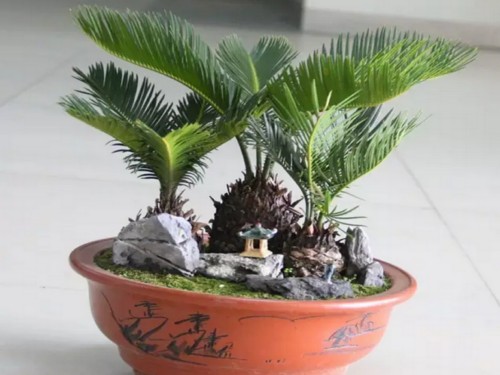
How Does Sago Palm Reproduce? A Detailed Guide to Common Propagation Methods
The sago palm (Cycas revoluta) is native to central and southern China, India, Japan and Indonesia, originating in East and Southeast Asia. It is widely cultivated in Zhejiang, Jiangxi, Hunan and Sichuan; in North China and Northwest China it is grown as a potted plant for indoor display. The sago palm likes sunlight, dry conditions and good ventilation; it is not cold-tolerant, responds well to fertilizer, prefers sandy soil and grows slowly.
-
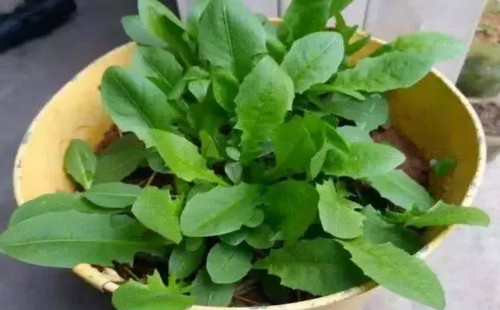
How Does Dandelion Reproduce? A Detailed Guide to Common Propagation Methods
The benefits and effects of dandelion are very prominent, and in previous articles, the editor has introduced them to you many times. Dandelion is a perennial herbaceous plant that can be eaten and also used as medicine; it has very good health benefits and also good healing effects. Therefore
-
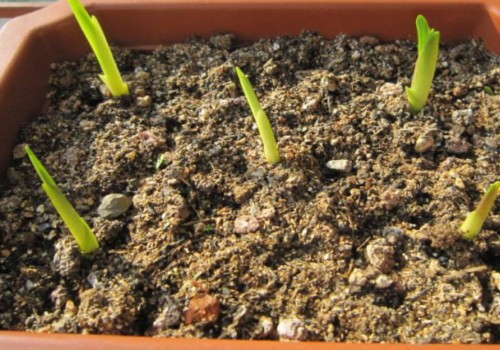
Can the fruits produced after freesia blooms be sown?
Freesia is a flowering plant that begins blooming toward the end of the year. Because of its high ornamental value, showy blooms and rich fragrance, it is generally grown as a New Year festival flower to add festive cheer. It is also a flowering plant with bulbs, and underground corms are usually used to propagate young plants. So
-
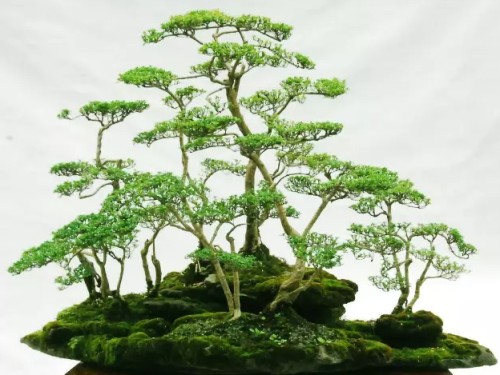
What are the production techniques of Sichuan-style bonsai? A detailed explanation
Sichuan-style bonsai is one of the five major traditional bonsai schools in China, deeply rooted in the majestic and beautiful landscapes of Sichuan. The bonsai production techniques represented by the Chengdu area are the foundation and core of Sichuan-style bonsai production techniques. Bonsai artists of Sichuan devote themselves to understanding the way, carefully observe, and their production techniques
-
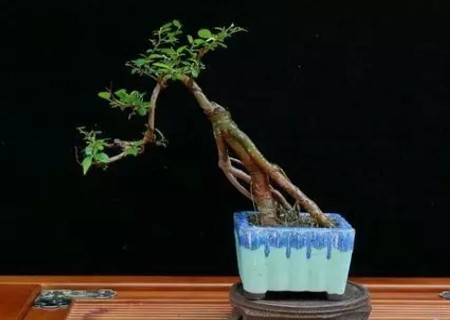
How to make a miniature bonsai? A step-by-step guide to the production method
Miniature bonsai are mainly composed of flowers and grasses, accented with small items such as rocks. They mostly use stonecrop, asparagus fern, saxifrage, spider plant, orchids, Japanese cleyera, narcissus, chrysanthemums, banana plants, reeds and other casual flowers and wild grasses. Miniature bonsai emphasize a small form and an exquisite, unique shape, with even more attention to the connotation of overall artistic beauty
-
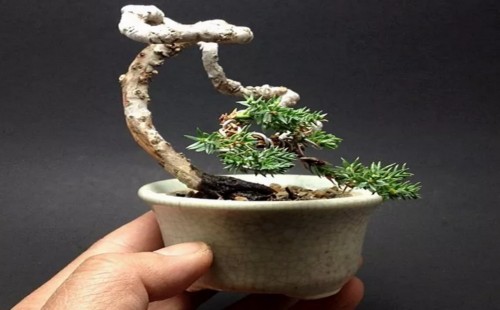
How do you make a miniature tree stump bonsai? A detailed production method for you
Tree stump bonsai is a living work of art, often with graceful forms and distinct personality traits, a perfect expression of beauty no matter how you look at it, with many aspects worth savoring. The miniature tree stump bonsai is, as it were, a condensed version of tree stump bonsai, yet it can carry on and inherit the fine characteristics of the former
-
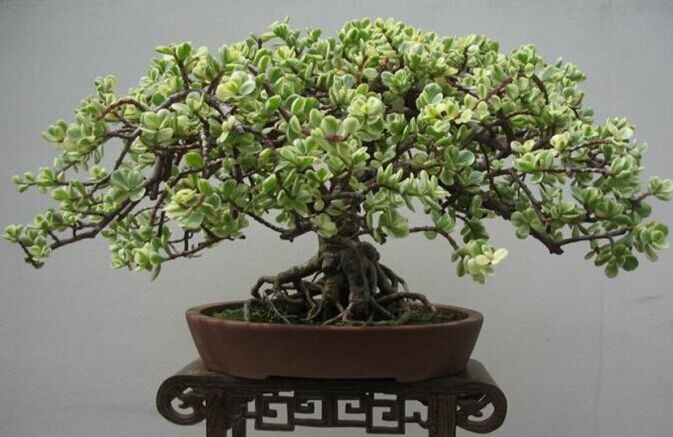
How to make a jade leaf bonsai? Detailed production method shared
When the plant propagated by layering has basically taken shape after one year of cultivation, it enters the bonsai-making stage. Bonsai making can be carried out in all four seasons of the year, and based on the thickness of the plant material's stem, its appearance, the unevenness of the branches, and their attachment positions, you can decide whether to make a single-trunk style or a double-plant or multi-plant combined planting style.
-
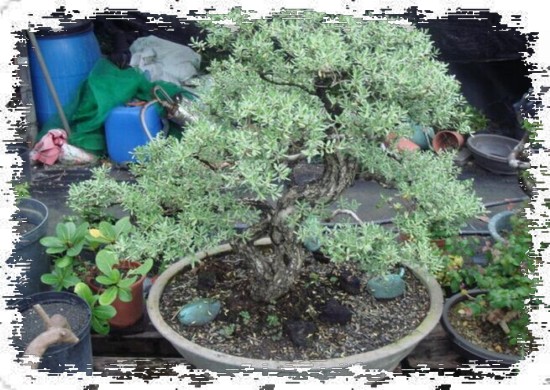
How to make a Jade Hibiscus bonsai? Detailed production method
Jade Hibiscus, scientific name Cactus, is the general term for plants in the family Cactaceae of the order Caryophyllales, with aliases including Immortal Palm, Immortal Fan, Overlord Tree, Flame, Fire Palm, Jade Hibiscus, Pill, Immortal Flesh, and Immortal Immortal. It often grows in dry environments such as deserts and is a type of succulent plant. Primitive cactus plants had leaves
-
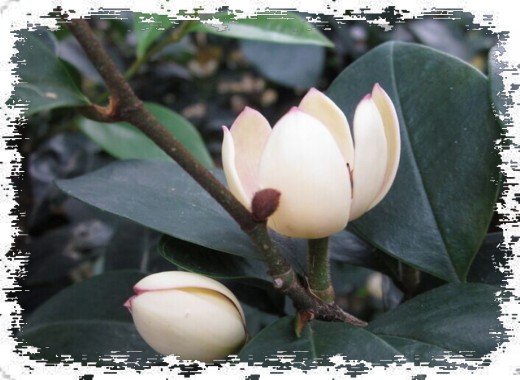
Detailed Explanation of the Production Method and Steps for a Michelia Bonsai
Michelia, also known as Pidai Xiang and Shanzhenzi, is an evergreen shrub or small tree of the genus Michelia in the family Magnoliaceae. Together with ginkgo, it belongs to the Mesozoic tree species that survived after the Quaternary glaciation, and is commonly known as a "living fossil." Although no true wild place of origin has yet been discovered, it is found in broad-leaved or coniferous open forests of the eastern Yunnan and central Yunnan plateaus
-
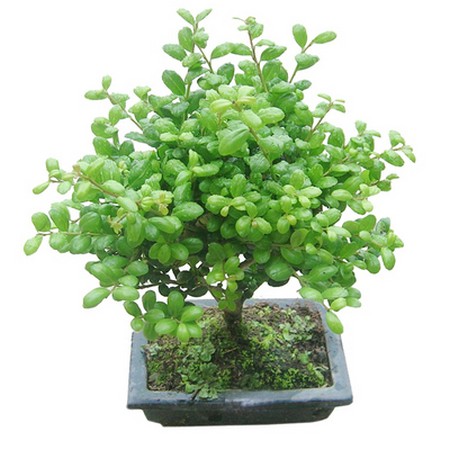
Detailed Explanation of the Production Methods and Techniques for Chinese Holly (Ilex crenata 'Convexa') Bonsai
Chinese Holly (Ilex crenata 'Convexa') gets its name because the raised surface of its leaves resembles a turtle shell. It is an evergreen small shrub of the genus Ilex in the family Aquifoliaceae. The old trunk is grayish-white or grayish-brown, and the leaves are elliptical, alternate, and entire. New leaves are tender green, while old leaves are dark green, relatively thick, leathery, and glossy. Its branches and trunk are vigorous and ancient-looking, and its leaves are dense and deep green, making it very suitable for making bonsai.
条件筛选