How to make a miniature bonsai? A step-by-step guide to the production method
Miniature bonsai are mainly composed of flowers and grasses, accented with small items such as rocks. They mostly use stonecrop, asparagus fern, saxifrage, spider plant, orchids, Japanese cleyera, narcissus, chrysanthemums, banana plants, reeds and other casual flowers and wild grasses. Miniature bonsai emphasize a small form and an exquisite, unique shape, with even more attention to the connotation of overall artistic beauty. The various decorative pieces of each small bonsai group need to show different forms, and attention must be paid to the overall layout. Gathering and scattering with harmony, a prominent theme, and finally achieving the maker's artistic conception and aesthetic taste, this is where the vitality of miniature bonsai art lies.
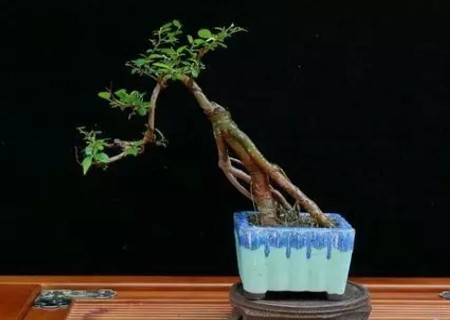
Meticulous shaping, beautiful only when there is both gathering and scattering; to make a miniature bonsai you must have the scene in your mind, and only then can the bonsai you make be perfect enough, this is where the vitality of miniature bonsai art lies. So, how do you make a miniature bonsai?
I. Materials for miniature bonsai
1. For making miniature plant bonsai, generally choose those with small leaves and fine branches; the plant height, calculated from the part above the soil, should preferably not exceed 10 cm; they should be easy to keep alive and have relatively unusual roots and trunks, and materials that are easy to shape, with those having bright flowers and fruits being best.
2. For the rocks of miniature landscape bonsai, choose those with beautiful textures, natural forms and lustrous colors, preferably elongated with sharp edges and corners. The editor recommends petrified wood, Yingde stone, axe-cut stone, sea mother stone, pumice, reed-pipe stone and stalactite.
II. Pots for miniature bonsai
1. The pots for miniature bonsai can be slightly smaller. If they are round or square pots, a diameter of about 5 cm is enough; for shallow rectangular or oval pots, the diameter is generally about 10 cm.
2. For miniature plant bonsai, for beauty, elegance and small size, the editor recommends antique-style purple clay pots and glazed ceramic pots. The shape, depth and color of the pot should coordinate with the planted plant and the shape and color of its leaves and the colors of its flowers and fruits, and should also match the posture of the tree stump landscape.
3. For miniature landscape bonsai, the editor recommends shallow long pots and oval pots, with white marble, marble or alum stone being the best materials.
III. Shaping of miniature bonsai
The making of miniature bonsai is mainly about seeing the large in the small. Before making it, you should understand the tree's posture and habits to make shaping easier, and achieve a form with well-balanced density and clear layers. Generally, tree shaping is carried out in early spring. According to the thickness of the branches and trunk, choose lead wire of the appropriate diameter to wrap around the branches and trunk, and bend the branches and trunk into the desired form. Note that when wrapping with lead wire, it should stay close to the bark, with moderate spacing, and the winding direction is best at 45° to the diameter of the branch or trunk.
Usually after 1-2 years it is basically set in shape, then remove the lead wire, and remember to shorten or remove unnecessary messy branches.
IV. Care of miniature bonsai
The care of miniature bonsai is very important. It needs to be thorough and meticulous, and your attention must be delicate enough.
1. The potting soil should be kept moist at all times, with no waterlogging, and watering should also use the pot-soaking method.
2. In summer, place it in a cool place, and use a spray bottle with tiny holes to spray water on the plant to maintain a moist environment.
3. During the growing period, fertilize frequently, but the fertilizer must not be too strong. Applying it once about every 10 days is enough. You can fully use rotted bean cake water or hoof piece water, and of course you can also use a complete-element compound chemical fertilizer. It is best to also use the pot-soaking method for fertilizing.