How to make a Jade Hibiscus bonsai? Detailed production method
Jade Hibiscus, scientific name Cactus, is the general term for plants in the family Cactaceae of the order Caryophyllales, with aliases including Immortal Palm, Immortal Fan, Overlord Tree, Flame, Fire Palm, Jade Hibiscus, Pill, Immortal Flesh, and Immortal Immortal. It often grows in dry environments such as deserts and is a type of succulent plant. Primitive cactus plants had leaves. They were originally distributed in less arid areas, and their appearance was not much different from ordinary plants.
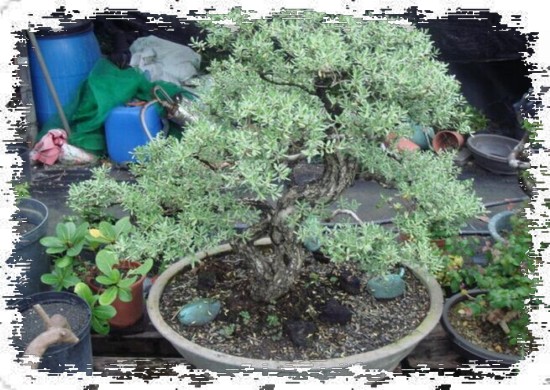
Jade Hibiscus is a plant with beautiful and varied leaf shapes. When made into a bonsai, its main ornamental effect is reflected in viewing the trunk and viewing the leaves. Let's learn about its production method together below.
Culture soil: Jade Hibiscus has a well-developed root system and a relatively large plant shape. When potted, due to the limitation of the flowerpot container, its root system can only move within a very small soil range. Therefore, when potting Jade Hibiscus, the soil requirements are strict, and culture soil needs to be manually prepared. First choose the raw materials, such as garden soil, leaf mold, river sand, peat, barnyard manure, etc.; then determine a reasonable ratio: for example, 5 parts garden soil, 3 parts leaf mold, and 2 parts furnace slag ash plus farmyard manure; finally, to kill pathogens in the culture soil, chemical disinfection or heat disinfection can be carried out.
Transplanting: To prevent crowding, cuttings should be transplanted in time to open ground, protected areas, or pots for cultivation. Note that small seedlings are generally not suitable for potting. This is because potted small seedlings do not grow as fast or as robustly as those planted in the ground, and they also do not take shape as quickly or develop roots as well. Therefore, potted Jade Hibiscus usually uses shaped old stumps over 1 year old.
Potting: Move shaped cuttings over 1 year old into clay pots or bonsai pots for cultivation. When potting, note that the flower seedling and flowerpot size should match, and pay attention to protecting the integrity of the shaped root system.
Pruning: It can be shaped into a natural turned-back form, a layered cloud-piece form, or a lying curved form. Generally there are 3~4 main branches, divided into 3~4 layers, with the lower layer larger and the upper layer smaller. The lowest branch can also be shaped into a relatively long cascading branch, hanging down over the lower part of the pot surface. Shaping should be carried out during the slow growth periods in March to April and August to September. Jade Hibiscus branches are thin and brittle, so shaping should be done carefully and force should not be too strong.