How Does Dandelion Reproduce? A Detailed Guide to Common Propagation Methods
The benefits and effects of dandelion are very prominent, and in previous articles, the editor has introduced them to you many times. Dandelion is a perennial herbaceous plant that can be eaten and also used as medicine; it has very good health benefits and also good healing effects. Therefore, large-scale batch cultivation and production of dandelion has good market prospects, and for individual household users, growing it in pots is also a good choice.
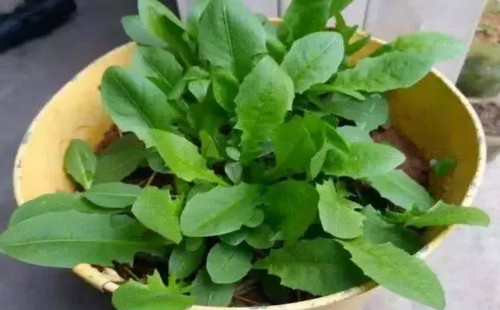
Dandelion has tenacious vitality and strong adaptability to the growing environment. It is both heat-tolerant and cold-tolerant, so its stress resistance is also very strong. From its growth habits, dandelion is also relatively easy to grow and keep alive in pots. And most importantly, by growing dandelion as a household potted plant, we can take and use it at any time. So, how does dandelion reproduce? Below, the editor will share with you the propagation methods of dandelion.
I. Seed Propagation
Dandelion is a perennial herbaceous plant that can bloom and set seed, and its reproductive capacity is relatively strong. Dandelions growing in the wild carry seeds everywhere through their floating pappus to reproduce the next generation. If grown in pots, we can likewise harvest the dandelion seeds in time when they mature, and then sow them in the flower pot.
The seed propagation method of dandelion is relatively simple, but it requires providing a suitable growing environment. The germination temperature for dandelion seeds should be kept between 15°C-25°C, and the plant growth temperature should be kept between 20°C-22°C. Usually pay attention to providing sufficient light, watering and fertilizing reasonably, and ensuring that the plant's growing environment is well ventilated. As long as these conditions can be met, potted dandelions can not only successfully take root and sprout, but both seedlings and mature plants can often maintain good growth.
II. Root and Rhizome Propagation
For potted dandelion, in addition to the most common seed propagation method, we can also dig up dandelion rhizomes from the wild to propagate young plants. And because dandelion is a relatively common flowering plant, it is easy to find in the wild, and we only need to dig up its rhizomes, bring them back, and plant them in a flower pot.
The time for digging up dandelion rhizomes in the wild is not strict, but it is generally done in spring and autumn, and it is best to use water-submerged transplanting, as this is more conducive to survival. If raising seedlings in autumn, the seedlings can be potted and established in flower pots in October, and promptly placed in a greenhouse. During this period, pay attention to smooth ventilation and maintain regular watering, and by the period from New Year's Day to Spring Festival the following year, they can be brought to market.
III. Sand Culture Propagation
The practice of using sand culture propagation for dandelion is not very common, and it is mainly used for greenhouse cultivation and batch production. In order to make the white, tender leaf stalks of dandelion elongate, soil should be covered in time when the seedlings emerge, and covering with soil is also a gradual process of increasing the amount step by step. Generally, soil is covered to a thickness of 1-2 cm each time, and after doing this generally 4-5 times, the white, tender leaf stalks of dandelion can grow to a length of about 5-10 cm, thereby achieving the purpose of increasing yield.