Pineapple fertilization: pay attention to supplementing nitrogen and potassium fertilizers
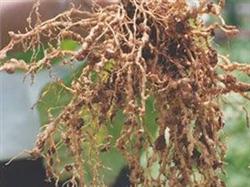
Because root-knot nematodes parasitize in the roots and cause the root tissue to overgrow, forming tumors of varying sizes. Control method: implement quarantine; plants carrying nematode disease must not be brought to disease-free areas. When opening a new orchard, plow and harrow the soil to expose it to the sun in clear weather; sunlight exposure can also kill root-knot nematodes.
 To achieve high yields in pineapple cultivation, a complete set of scientific fertilization techniques is needed as a guarantee. Among these, the key techniques for base fertilizer and topdressing are the most important. During the vegetative growth stage, the nitrogen, phosphorus, and potassium ratio for pineapple is 17:10:16, and when it enters the flowering stage it becomes 7:10:23. Therefore, pineapple fertilization should pay attention to supplementing nitrogen and potassium. Applying sufficient base fertilizer at planting time will lay a good foundation for a high yield.
Based on the climate of the south and the fertilizer requirements of pineapple, the recommended scientific fertilization measures are as follows:
Base fertilizer: The hillside soil where pineapple is planted is dry and barren. Applying sufficient base fertilizer at one time during planting is a foundational measure for high yield and high quality in pineapple. It is recommended to use high-tower sulfur-based fertilizer 15-15-15 or 17-17-17.
Topdressing: During the seedling stage, use high-tower sulfur-based fertilizer 15-15-15, 17-17-17, or nitro-sulfur-based fertilizer 21-6-13 for topdressing. During the fruit-setting and bud-forcing stage, use nitro fertilizer 15-5-20, sulfur-based fertilizer 18-5-25, and 16-6-24S, which have good effects on fruit expansion and improving fruit quality.
Farmer friends can adjust the specific fertilizer application according to local varieties and fertilization habits. You are welcome to consult local agricultural technicians.