-
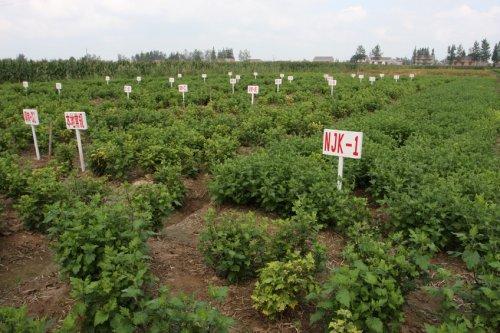
What Are the Symptoms of Vegetable Continuous Cropping Obstacles and What Control Measures Exist
Symptoms of Vegetable Continuous Cropping Obstacles and Control Measures 1 Definition of Continuous Cropping Obstacles Continuous cropping obstacles refer to the phenomenon in which the same crop or closely related crops (such as peppers, eggplants, tomatoes and other Solanaceae crops) are planted year after year and, even under normal management, still...
-
Potted plants infested with aphids and you don't want to spray chemicals? Try ten organic pest control methods
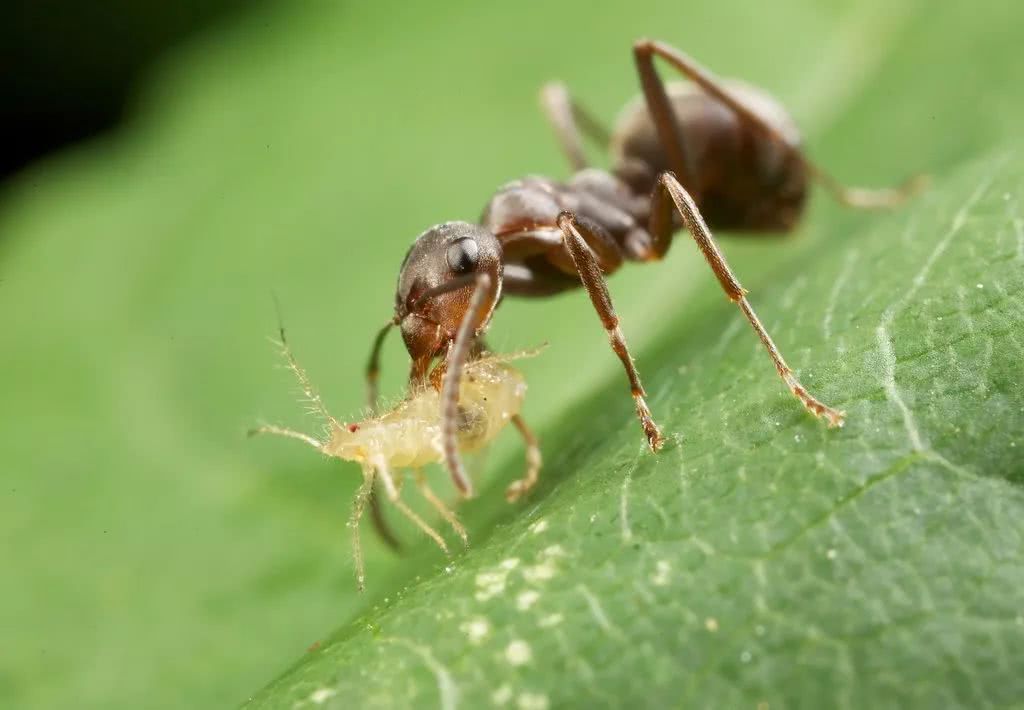
Growing some ornamental flowers at home makes life more wonderful. In your leisure time, planting your favorite flowers on the balcony and in the yard is really great. The picture above shows ants eating the honeydew excreted by aphids; they actually farm aphids. When...
-
What types of pests and diseases affect bayberry? Occurrence patterns and green control techniques in Zhejiang
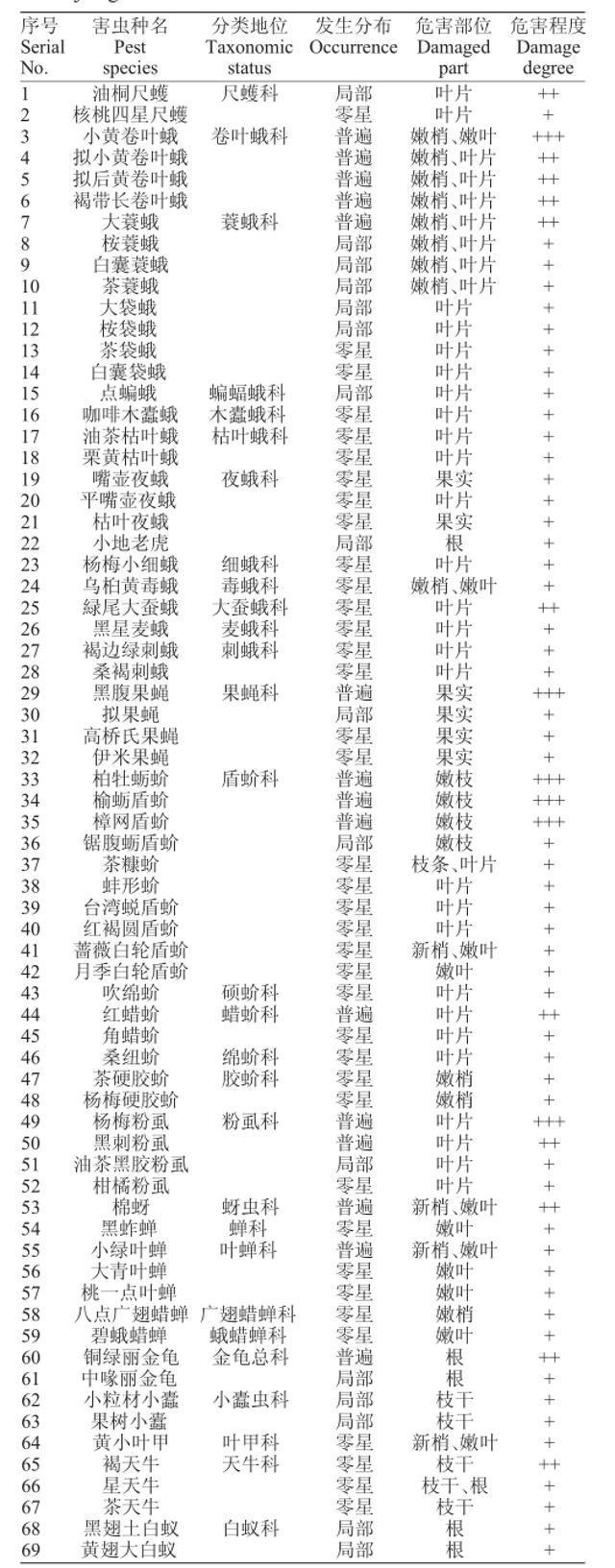
Species and Occurrence Patterns of Bayberry Pests and Diseases in Zhejiang Province and Their Green Control Techniques 0 Introduction [Research significance] Bayberry [Myrica rubra (Lour.) Sieb. et Zucc.] is a distinctive fruit of southern China, with a sweet-and-sour taste and unique flavor, enjoying a high reputation both domestically and internationally. Zhejiang Province is the main bayberry production area in China, with a total planting area of 86,500 ha, accounting for about one-third of the national total, an annual output of about 500,000 t, and an output value of 4.83 billion yuan, ranking first in output value among fruits in Zhejiang Province. It is the leading industry for farmers in mountainous and semi-mountainous areas of Taizhou, Wenzhou, Ningbo, Lishui, and Jinhua. In recent years, the bayberry industry in Zhejiang has developed rapidly, especially with the continuous expansion of the planting area of Dongkui bayberry, and the occurrence of pests and diseases has shown an increasingly severe trend, with heavy control tasks and great safety hazards. Therefore, identifying the main pest and disease species and their occurrence and damage patterns in Zhejiang bayberry, and proposing control strategies and green control techniques, is of great significance for ensuring the sustainable and healthy development of the bayberry industry and increasing farmers' income. [Previous research progress] To date, there have been many studies on the main pests and diseases, occurrence patterns, and control techniques of bayberry in various main production areas of Zhejiang Province. Wang Hongxiang et al. (1999), Gong Jieqiang and Wang Hongxiang (2002) reported that the main diseases damaging bayberry in Taizhou City, Zhejiang Province include brown spot disease, cancer disease, red coat disease, dieback disease, branch rot disease, and shoot blight disease, and the main insect pests include scale insects, whiteflies, oil tung geometer moths, leaf roller moths, bagworm moths, and termites. They analyzed the reasons for the increase in pest and disease occurrence and proposed corresponding control measures, but did not go deep into specific pest and disease species investigation and green control techniques. Liu Yougao et al. (2006) reported the occurrence characteristics and control techniques of bayberry cancer disease, brown spot disease, scale insects, and moths in Wenzhou City, Zhejiang Province, but there has not yet been a systematic investigation of other pest and disease species of bayberry, and most of the chemicals introduced in chemical control are not registered on bayberry, making safe pesticide use a difficult problem. Liu Gaoping et al. (2013) and Zou Xiuqin et al. (2015) reported simple net-room cultivation and green control techniques for Dongkui bayberry. Ren Haiying et al. (2014) reported the occurrence and control of bayberry wilt disease and slug moth pests. [Entry point of this study] From the overall research status, the investigation of bayberry pest and disease species and control techniques in Zhejiang is still not systematic and in-depth enough, and the various measures of agricultural, biological, physical, and chemical control still lack organic coordination and matching, thus affecting the implementation of integrated control techniques and the improvement of economic, social, and ecological benefits. [Key problems to be solved] Using a combination of systematic general survey and fixed-point monitoring, experimental research, and demonstration and extension, the main pest and disease species, distribution, and damage conditions of bayberry in the main production areas of Zhejiang Province were investigated, and the green control techniques and integrated management strategies for main bayberry pests and diseases were explored, providing a scientific basis for bayberry pest control.
-
Schefflera Cultivation Techniques: Propagation Methods and Pest and Disease Control
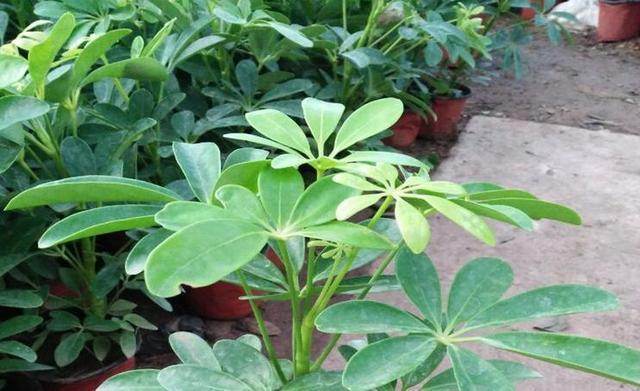
Schefflera Propagation and Pest and Disease Control Cultivation Techniques 1 Growth Habit Characteristics Schefflera prefers moisture and fears dryness, and dislikes direct strong sunlight. The suitable growth temperature is 16-27 °C. Under conditions of high air humidity and sufficient soil moisture, the stems and leaves grow luxuriantly. Gro...
-
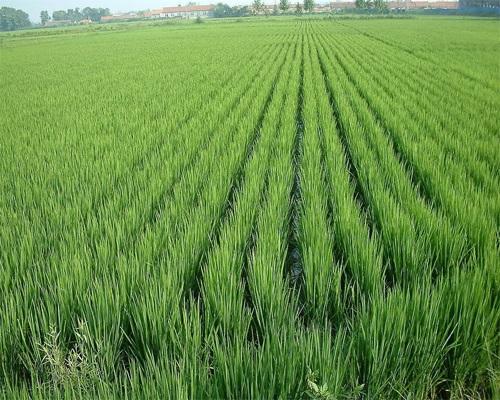
Causes of Herbicide Phytotoxicity in Paddy Fields and Control Countermeasures
Causes of Herbicide Phytotoxicity in Paddy Fields and Control Countermeasures 1 Causes 1.1 Problems with herbicide use 1.1.1 Wrong choice of herbicide Seedling-throwing fields should use herbicides containing the ingredients butachlor and bensulfuron-methyl; if a transplanting-field herbicide is used in a seedling-throwing field, ...
-

What are the prevention and control methods for tip burn on orchid leaves?
Orchid leaves have an elegant form and are not only highly ornamental, but lush, healthy orchid leaves are also the prerequisite for good flowering. However, improper cultivation and management can cause a physiological disorder in orchid leaves, with burnt leaf tips, affecting...
-

How do you control plant pests and diseases? Try these few simple tips
Last time we introduced the common types of pests and diseases. Seeing flowers and plants tormented into those states, how could your heart not ache~ How do you prevent trouble before it happens? How do you nip diseases in the bud in time? Although control cannot be generalized, we can still start with...
-
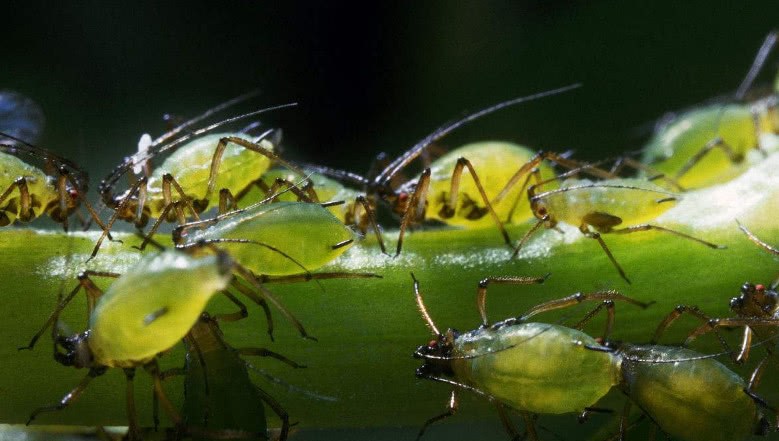
How to get rid of aphids and red spider mites? Practical control methods shared
Anyone who grows flowers knows the feeling: all kinds of pests and diseases damage your beloved plants and drive you crazy, and you do not even know exactly how to control them, where to start, or what to use. Red spider mites and aphids are among the most common pests, and chemical pesticides are usually used...
-
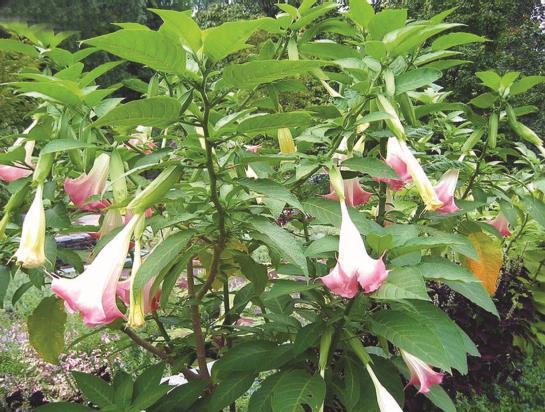
Datura Cultivation Techniques: Propagation Methods and Pest and Disease Control
Propagation and Pest and Disease Control Cultivation Techniques for Datura Datura (Datura stramonium) is an annual herbaceous plant in the Solanaceae family. The flowers and the whole plant are used as medicine; the flowers taste bitter, are warm in nature, and are toxic. They are mainly used to treat asthma, chronic bronchitis cough, ...
-
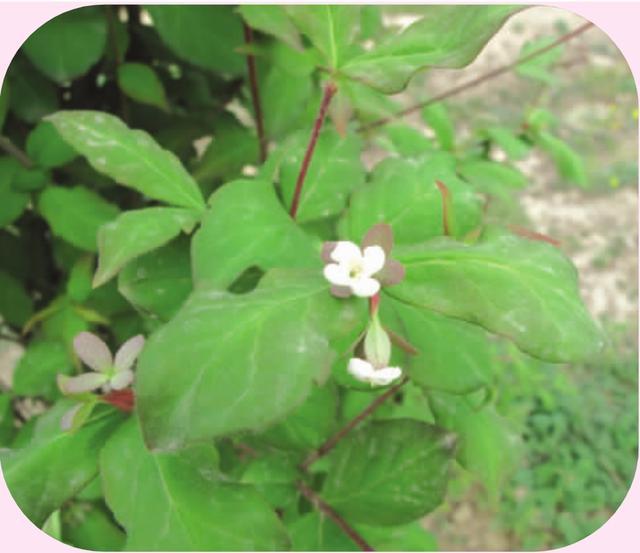
Cultivation Techniques for Abelia biflora: Propagation Methods and Pest and Disease Control
Propagation and Pest and Disease Control Cultivation Techniques for Abelia biflora (Abelia biflora Turcz.), also known as Liutiaomu, Shuanghua Liudaomu, etc., is a deciduous shrub of the genus Abelia in the honeysuckle family. Because when the original wood grows, there are six grooves on...
条件筛选