-
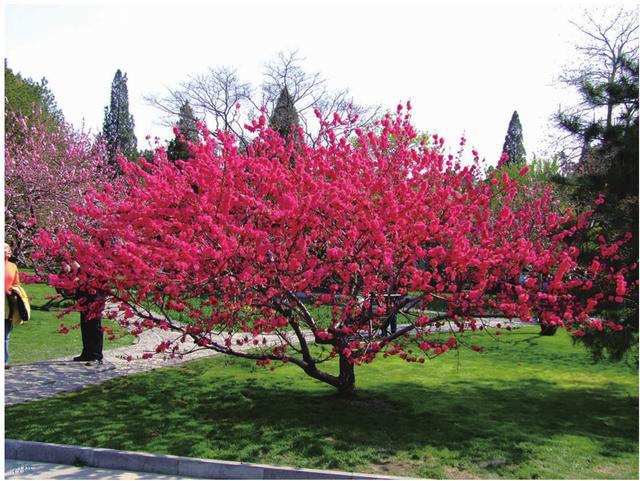
Propagation Methods and Pest and Disease Control Techniques for Ornamental Peach Bonsai
Propagation and Pest and Disease Control Bonsai Techniques for Ornamental Peach. Ornamental peach refers to varieties grown for ornamental purposes. Compared with fruit peaches grown for food, they have the characteristics of larger flowers, more petals, graceful flower shapes, rich colors, and a longer flowering period...
-
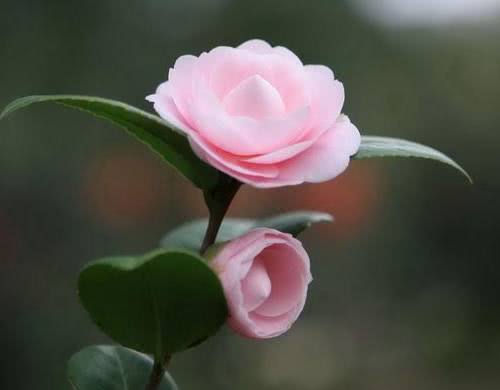
Growing Camellia Bonsai: Controlling Soil and Temperature
In most cases, the newly potted plants are small seedlings sold by nurseries, either in nutritional pots or sold bare-rooted with the original soil removed. Whether the original soil needs to be removed depends on the difference between the original soil and the new soil. If the newly replaced medium is not very different in composition from the original soil, you can pot it directly...
-
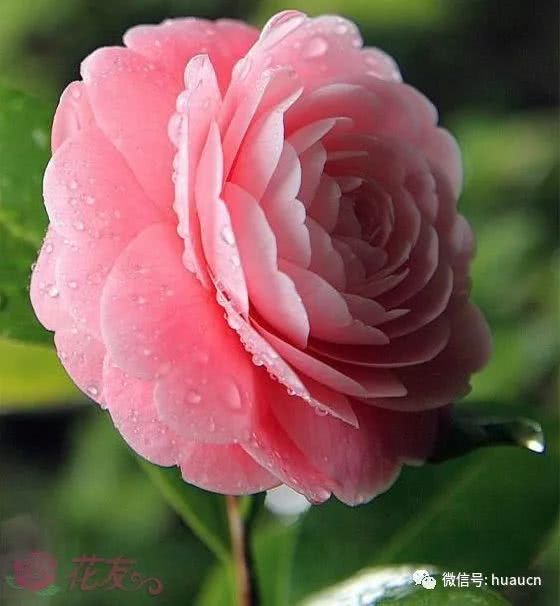
Five protections to help camellias safely get through the rainy season: control water, replenish fertilizer, prune, and prevent disease
During the rainy season from April to August each year, if there is the slightest carelessness in the management and care of potted camellias, the branches and leaves may wilt, turn yellow, or drop, or the plants may suffer physiological damage that affects their normal growth for the whole year, and in more serious cases, the entire plant may die...
-
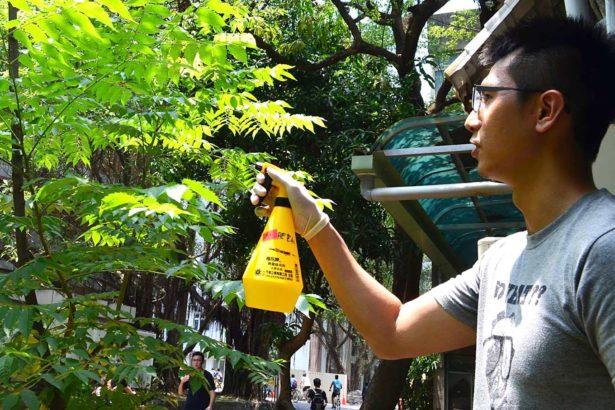
Spraying soapy water on the underside of litchi stink bug nymphs can effectively control them: method shared by a National Taiwan University research lab
Soapy water works wonders against litchi stink bug nymphs! A National Taiwan University research lab reveals the secret: aim at the underside and spray thoroughly
-

Orchid pot selection doesn't need deep study; the growing medium structure and moisture control are what really matter
Whenever new orchid growers are just starting out, they are always thinking about what kind of flower pot to use for growing orchids. Thinking back to when I first started growing orchids, the orchid pots in my home were truly like a general store, with every kind of pot imaginable. At first, I used the very traditional and popular celadon ceramic pots of Chaoshan, and later I came to prefer purple clay pots. As the number of orchids increased, the jumble of pots made management inconvenient. In order to harmonize the many orchid pots in the orchid room so that drainage rates could be uniform, it became necessary to use pots of similar size, thickness, texture, and shape, so that when many orchid pots in the same room were watered at the same time, after the same period, each pot would dry at the same rate, or at least not differ too much. From today's perspective, this is relatively easy to achieve with plastic flower pots. Of course, some orchid growers, for ventilation and aesthetics, specially order or buy whole batches of purple clay pots or lightweight porcelain pots, but the cost is really quite high. Regarding plastic pots, many orchid growers have different views and feel they are not ventilated, but this is actually a misunderstanding.
-
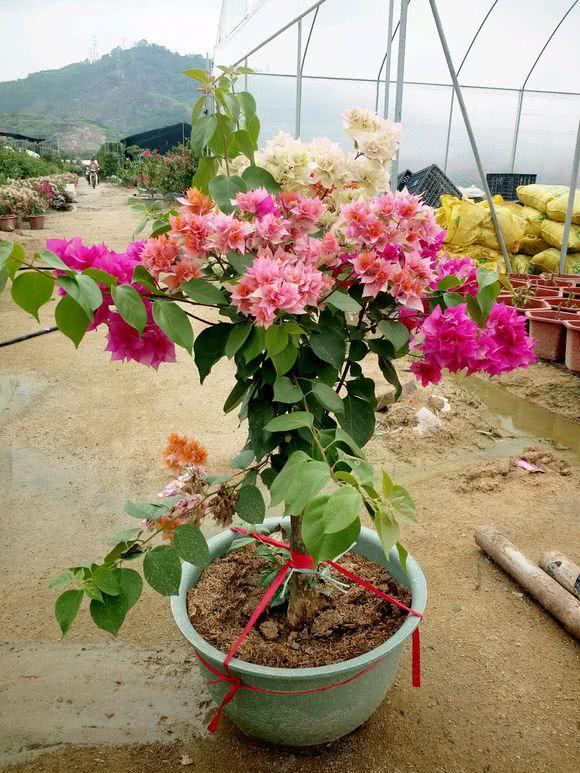
Clever tricks for controlling the flowering period of bougainvillea: so many blooms you cannot see the branches
The main methods for controlling the flowering period of bougainvillea are: water control, temperature control, and fertilizer control. Ordinary households growing flowers may not have the conditions to manage temperature control, so let me mainly explain the methods of water and fertilizer control. The picture below is a bit messy, because I was too lazy to prune, haha. Control...
-
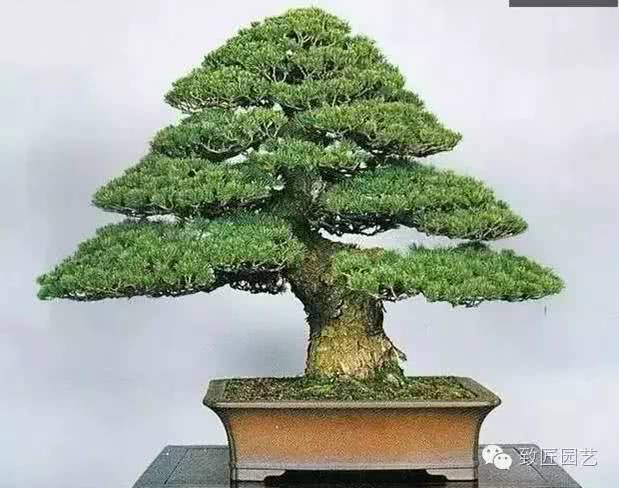
How do you control tree growth in stump bonsai through pruning methods?
Using pruning methods to control tree growth in stump bonsai. Stump pruning can control tree growth, keep the tree dwarf, encourage branching and make the leaves dense, achieving the artistic effect of turning a large tree into a small one and embodying the large within the small. At the same time, pruning is also an important measure to ensure that stump bonsai plants grow and develop normally, bloom and bear fruit (referring to flower-and-fruit bonsai), and stay old but not declining under the conditions of little potting soil and limited water and fertilizer. Generally, deciduous tree species (such as elm, Japanese bush cherry, trident maple, etc.) can be pruned all year round, but the best time is after leaf drop and before bud break, because at this time there are no leaves on the tree, so the growth of the branches can be seen clearly and it is easy to work. For flowering bonsai plants, those that bloom on new branches of the current year (such as ornamental pomegranate) should preferably be pruned before bud break, while those that bloom on perennial branches (such as plum blossom) should preferably be pruned after flowering. Slow-growing evergreen trees should preferably be pruned in winter; for pine species, since they tend to bleed resin after pruning, they should preferably be pruned at noon on a sunny winter day.
-
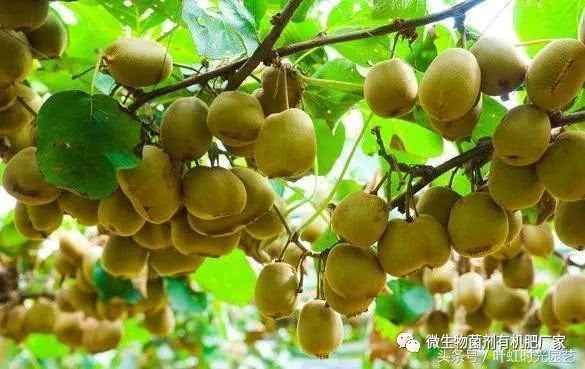
A Complete Guide to Kiwi Vine Pruning, Fertilizing, and Pest and Disease Control in June
Growers who cultivate kiwi vines all know that June is the fruit enlargement period for kiwi vines, as well as the second peak period of fertilizer demand and the time when pests and diseases are most rampant. Therefore, doing a good job of orchard management in June is crucial for achieving high quality and high yields of kiwi later on...
-
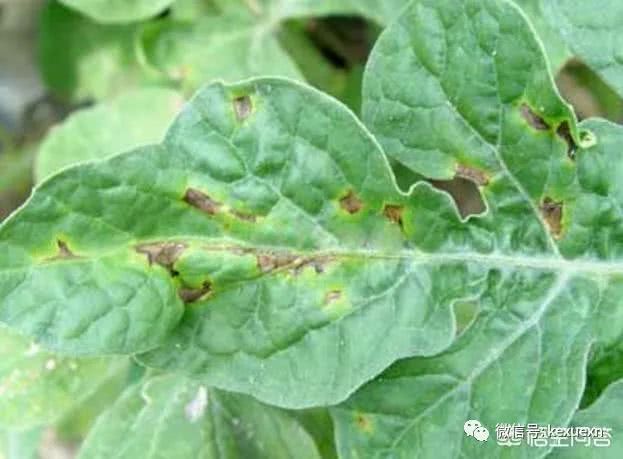
Grafted watermelons are prone to bacterial fruit blotch on rainy days; keep these control methods handy
Bacterial fruit blotch of watermelon is a disease with a high incidence rate at the seedling stage; symptoms begin to appear at the seedling stage, and at transplanting time, because of wounds and high field humidity, the disease is also difficult to control. After infection, symptoms can appear on watermelon leaves...
-
条件筛选