-
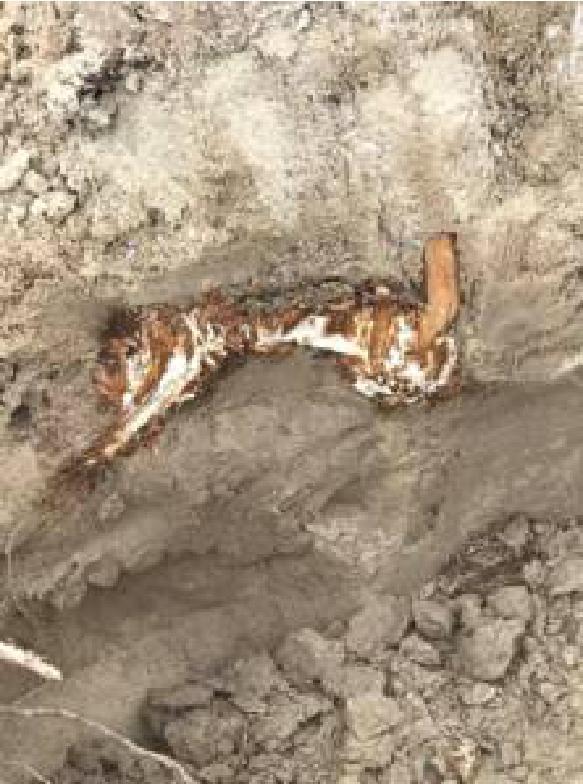
New technology for the prevention and control of Armillaria root rot in peach trees
New technology for the prevention and control of Armillaria root rot in peach trees 1 Symptoms of Armillaria root rot damage in peach trees The main symptom of Armillaria root rot is that the space between the cortex and the xylem is filled with a white to pale yellow mycelial layer, with the mycelium spreading outward in a fan shape; the fresh mycelial layer shows blue-green fluorescence in the dark...
-
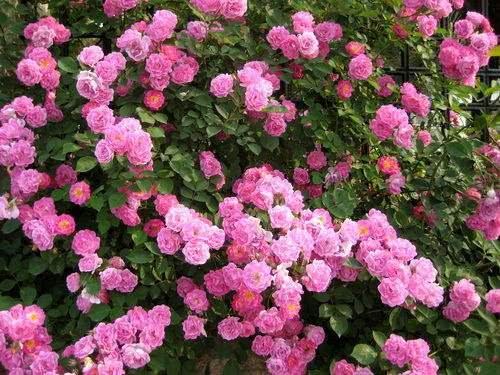
How to care for roses in summer? This is the more appropriate way to prevent and control rose pests
Roses are also known as four-season flowers, named for blooming in all four seasons. As one of the flowers with a great variety of cultivars and extremely high ornamental value, they are cultivated all over China, and because roses are relatively easy to grow, many friends...
-
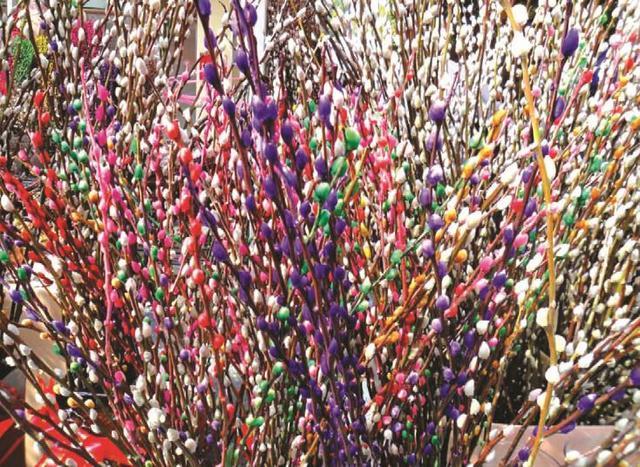
Cultivation Techniques for Silver Bud Willow: Propagation Methods and Pest and Disease Control
Propagation and Pest and Disease Control Cultivation Techniques for Silver Bud Willow. Silver bud willow (Salix leucopithecia), also known as silver willow, cotton willow, cat willow, silver bract willow, and pussy willow, is a deciduous shrub of the genus Salix in the family Salicaceae. Silver bud willow is native to northern China, and currently...
-
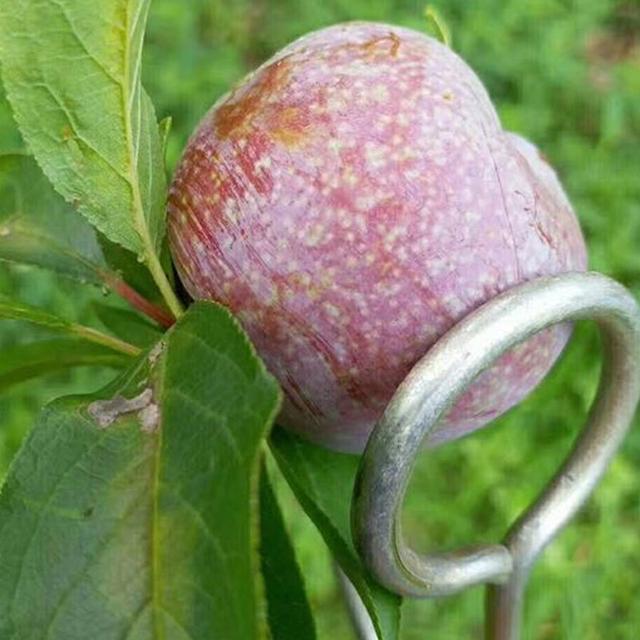
A detailed explanation of the morphological characteristics, occurrence patterns and key control techniques of the Shanhua plum longhorn beetle
Morphological characteristics, occurrence patterns and key control techniques of the Shanhua plum longhorn beetle 1 Morphological characteristics 1.1 Adult The body is long and cylindrical, with the front end of the body expanded into a round shape, resembling a head; the head is flexible, the back is slightly flattened, and there is a pair of exceptionally long antennae, the antennae...
-
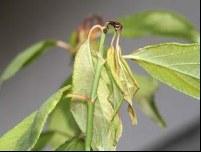
How to control the oriental fruit moth? Integrated control techniques for export pear orchards
Integrated control techniques for the oriental fruit moth in export pear orchards. In recent years, the area of export pear orchards in Botou has continued to expand, but with the banning of organophosphorus pesticides that were formerly highly effective and the restricted use of chlorpyrifos and others, combined with a large amount of irrational pesticide use leading to increased pest resistance...
-
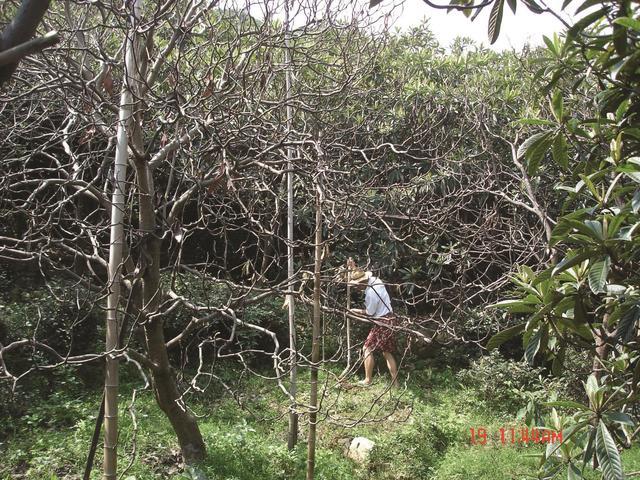
Cause Analysis and Control Measures of Diseases in White-fleshed Loquat
Cause Analysis and Countermeasures of Diseases in White-fleshed Loquat Jiangsu Province has a long history of loquat cultivation, with more than 40 loquat cultivars and obvious advantages in germplasm resources. In 2016, the loquat area in the province was more than 28,000 mu, of which 23,000 mu was in Dongting Mountain, Suzhou, accounting for the whole...
-
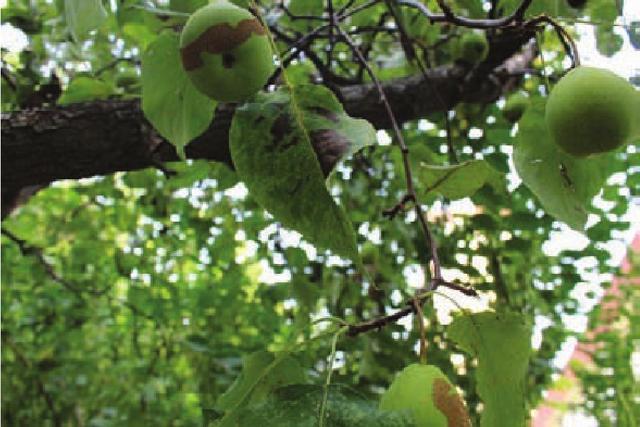
How to prevent and control pests and diseases in pear trees from the mature stage to the leaf-fall stage?
How to prevent and control pests and diseases in pear trees from the mature stage to the leaf-fall stage? 1 Main characteristics and occurrence patterns of pests and diseases 1.1 Pear scab During the young fruit stage, the fungal spores formed on the damaged new shoots are the source of re-infection for the spread of the disease. In the early stage of leaf damage, on the underside of the leaf...
-
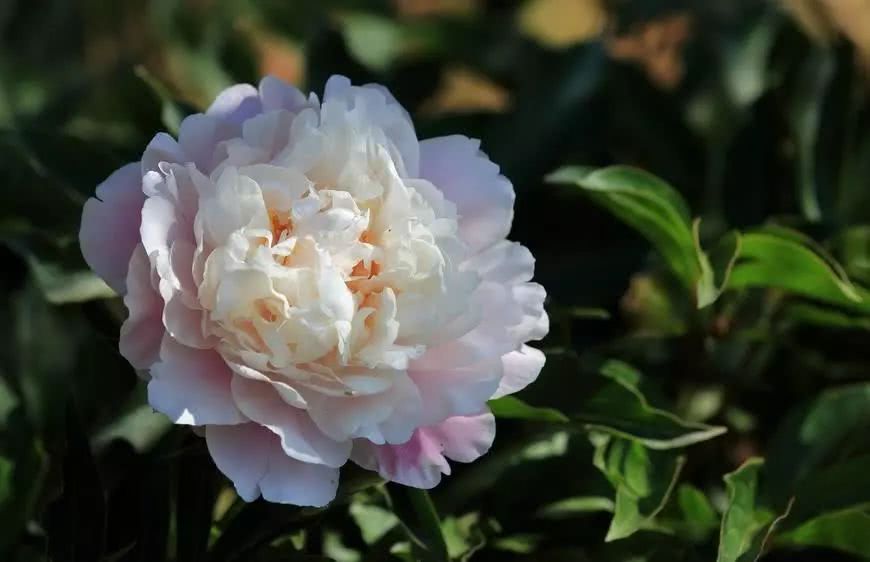
Peony cultivation methods: controlling water and fertilizer is the key to growing peonies well
The peony is a very beautiful plant, and many flower-loving friends are deeply captivated by it, but there are quite a few misconceptions about growing it well. How should you grow it so that it grows better and more beautiful? To grow peonies well, you generally start with soil, watering...
-

What plant is the ornamental peach? Introducing the woody plant ornamental peach
The ornamental peach is a plant of the genus Prunus (rose family); it is a variety of peach, and its main function is ornamental. The ornamental peach is a small tree, reaching a height of 8 m, but its height can also be controlled.
-
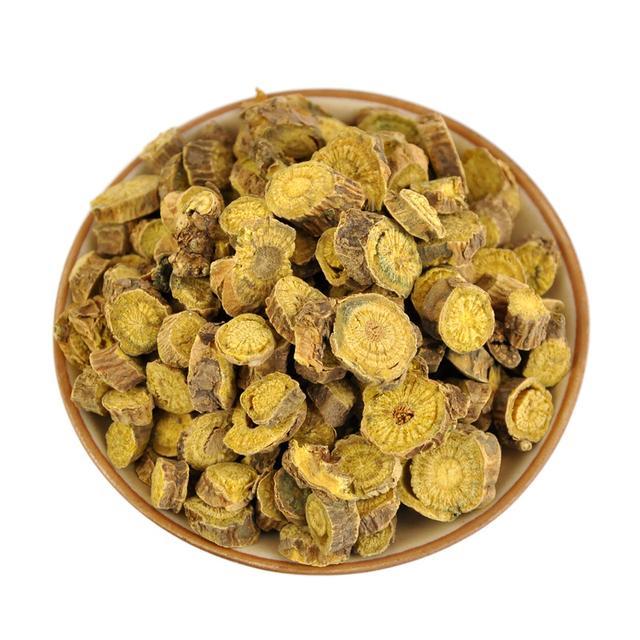
Detailed Explanation of Propagation and Pest and Disease Control Cultivation Techniques for Scutellaria baicalensis (Northern Medicinal Herb)
Propagation and Pest and Disease Control Cultivation Techniques for Scutellaria baicalensis 1 Morphological Characteristics Scutellaria baicalensis is a perennial herb with branched roots; several stems cluster on one root, long and thick, cylindrical in shape; new roots are solid inside, old roots mostly hollow, deep yellow inside, outer bark dark...
条件筛选