-
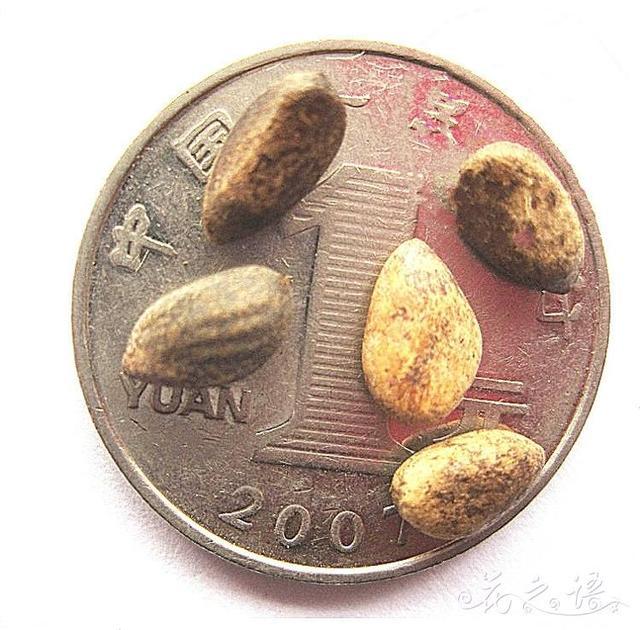
Detailed Explanation of Propagation and Pest and Disease Control Cultivation Techniques for Northeastern Black Pine
Propagation and Pest and Disease Control Cultivation Techniques for Northeastern Black Pine 1 Morphological Characteristics Northeastern black pine is a needle-leaved evergreen tree, reaching a maximum height of 35 m and a diameter at breast height of up to 1.2 m. The lower bark is grayish-brown, split into irregular scaly blocks, with cracks and upper bark...
-

Growing flowers is like raising children - one moment of inattention and they run wild beyond control
Complete Guide to Flower Growing Subscription account - click to follow, Huahua teaches you how to grow flowers! The first thing Huahua does every morning is go check on those precious flowers - are they wilting? Any yellow leaves? A hundred worries, just like raising...
-
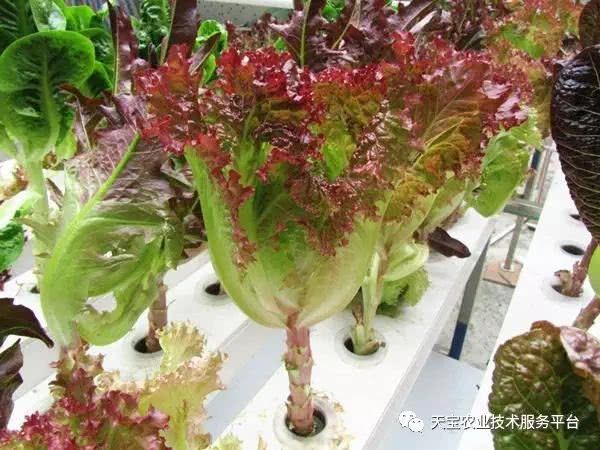
What are the main diseases of soilless-cultivated vegetables? A detailed guide to prevention and control methods
At present, soilless cultivation in China includes nutrient solution soilless cultivation, organic ecological soilless cultivation, nutrient solution hydroponics, and organic soilless cultivation mixed types, among other methods. The vegetables grown are mostly leafy vegetables, followed by fruit vegetables and melons. Types...
-
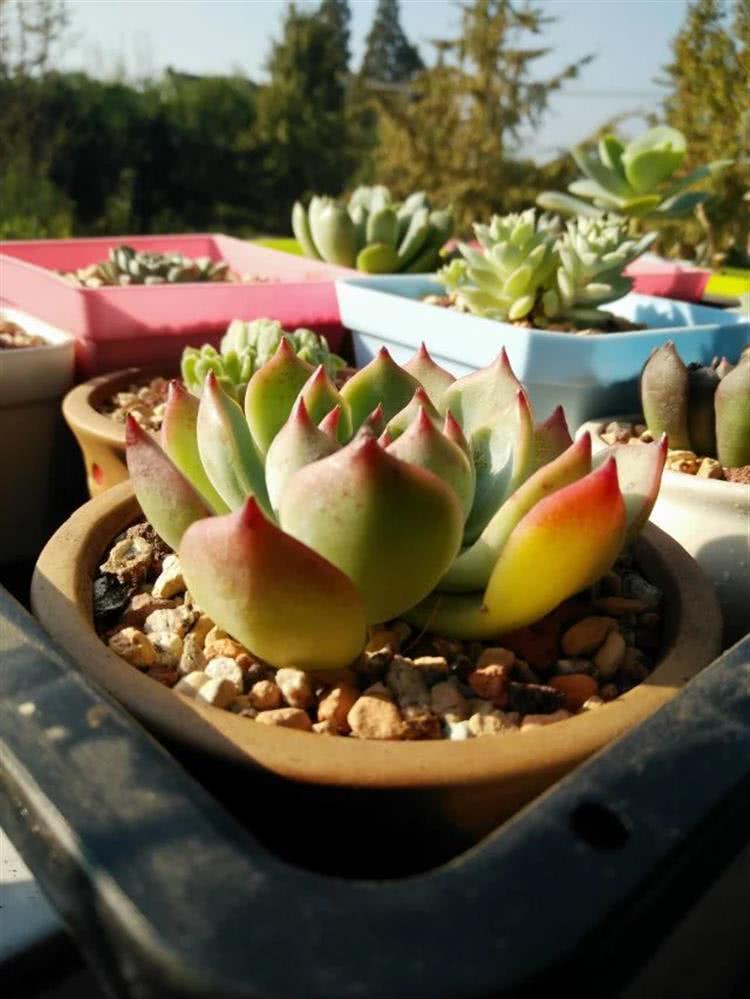
Is watering succulents once every 15 days for water control in summer feasible?
When watering succulents in summer, how many days apart should you actually water? It is almost June now, and temperatures everywhere have already started rising a lot. In many southern regions, temperatures are now consistently above 30 degrees. Regarding succulents...
-
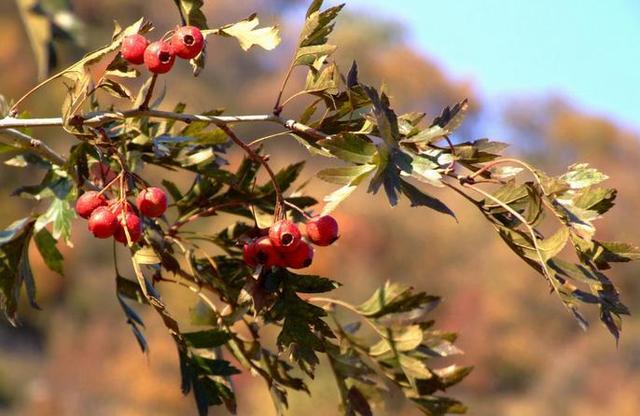
Cultivation Techniques and Pest and Disease Control Methods for Hawthorn
Cultivation and Pest and Disease Control Techniques for Hawthorn. Hawthorn (Crataegus pinnatifida) belongs to the Rosaceae family and is a deciduous small tree. The fruit is sweet and sour, pleasant to eat, and can promote salivation and quench thirst, making it a high-quality fruit tree species. The fruit can also be used medicinally; its nature and flavor are sweet and sour, slightly warm, and it has the effects of stimulating appetite and aiding digestion,...
-
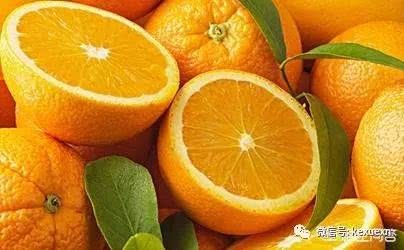
Oranges are prone to parasites, and early prevention and control can avoid orchard losses
Mentioning parasites in oranges reminds me of the most famous Guangyuan citrus incident in Sichuan back then. At that time, a large-scale epidemic broke out in the citrus in the Guangyuan area of Sichuan, and the epidemic was mainly maggots in the oranges. This caused more than 10 million kg of citrus to be...
-
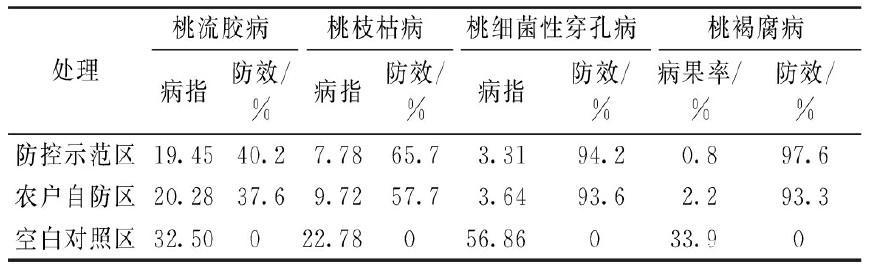
Key Integrated Control Technologies for Major Diseases and Pests of Early-Maturing Peaches in Southern China
Key Integrated Control Technologies for Major Diseases and Pests of Early-Maturing Peaches in Southern China. Peach is a perennial stone fruit deciduous fruit tree of the genus Prunus, subfamily Prunoideae, family Rosaceae. With the rise of leisure and sightseeing agriculture, peach, owing to its gorgeous blossoms, diverse fruit shapes...
-
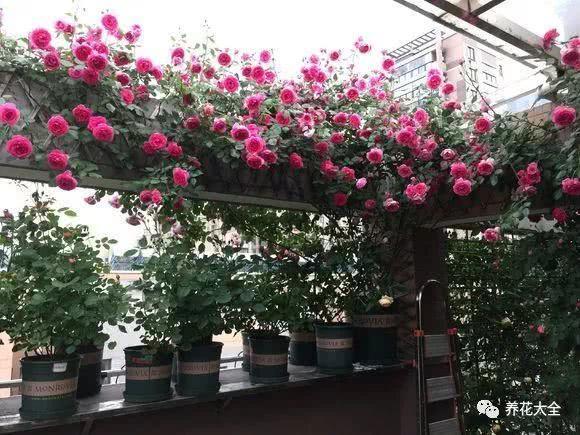
Clever pest-control tips for roses: learn these and your flowers will grow bigger and bigger
Every time I see flower branches growing wild into a tangled mess, my inner neat freak just can't take it. One snip of the scissors and they behave much better - and unexpectedly, they burst into bloom! Today Huahua is sharing pruning tips for flowers. Vines...
-
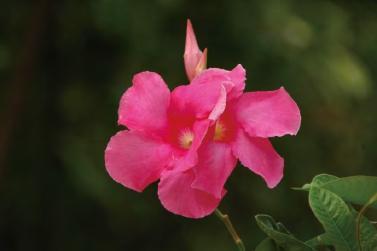
Cultivation Techniques for Chilean Jasmine: Propagation Methods and Pest and Disease Control
Cultivation Techniques for Propagation and Pest and Disease Control of Chilean Jasmine. Chilean jasmine (Mandevilla laxa), also known as red wrinkled vine, double gland vine, double joy vine, etc., is a tropical evergreen climbing ornamental plant of the genus Mandevilla in the family Apocynaceae, native to Central and South America (Brazil). ...
-
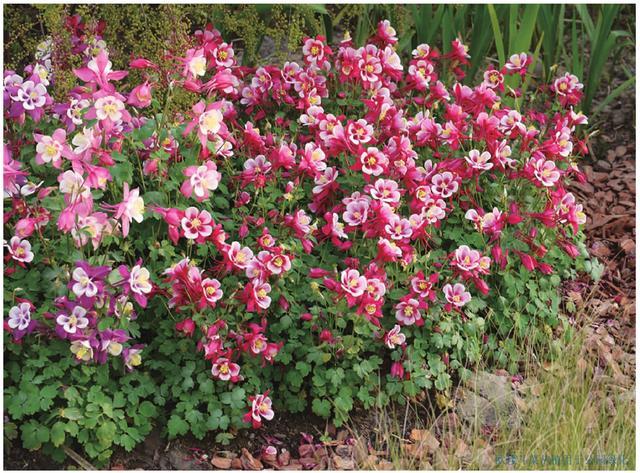
Cultivation Techniques for Aquilegia vulgaris: Propagation Methods and Key Points for Pest and Disease Control
Cultivation Techniques for Propagation and Pest and Disease Control of Aquilegia vulgaris. Aquilegia vulgaris (columbine) is a perennial herb in the genus Aquilegia, family Ranunculaceae. Plant height 30-60 cm. Basal leaves have long petioles; basal leaves and lower stem leaves are bipinnately trifoliolate...
条件筛选