-
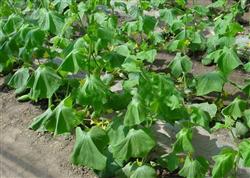
Causes and Control Methods of Acute Wilting of Cotton After Rain
What causes acute wilting of cotton after rain and why should it be prevented? Please give an introduction to the causes of acute wilting in cotton: First, insufficient soil oxygen. After cotton fields are waterlogged, the roots receive insufficient oxygen, causing root suffocation and affecting the normal absorption function of the root system. The longer the suffocation lasts, the more severe the root damage. Second, improper fertilization. A one-time topdressing...
-
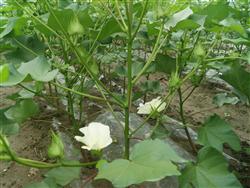
Control methods for cotton boll rot (bolls) during the rainy season
How to prevent cotton boll rot (bolls) during the rainy season? Please provide an introduction. During the rainy season, the following methods can be used to prevent cotton boll rot (bolls): 1. Scientific fertilization: Most of the cotton currently cultivated is insect-resistant cotton, which generally requires large amounts of base fertilizer and bud fertilizer, and no flower and boll fertilizer, to prevent excessive growth and increased shading. Nitrogen should be controlled, phosphorus increased, and...
-
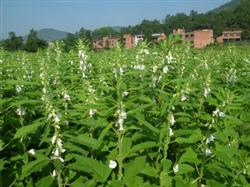
What are the key techniques for growth promotion and control cultivation of summer sesame?
How is growth promotion and control cultivation carried out for summer sesame? Please give an introduction. Based on the principles of sesame trait correlation, plant stage development, stage nutrient uptake and factor interaction, and through research on supporting cultivation techniques, a technical system for growth promotion and control cultivation of summer sesame has been obtained. Technical indicators for promotion and control: (1) Seedling-stage plants are strong but not excessive. Seedling-stage plants...
-
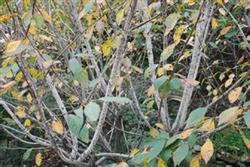
What are the control methods for the white peach scale (Pseudaulacaspis pentagona) on cherry blossoms?
How do you control the white peach scale on cherry blossoms? Please explain the methods. The white peach scale on cherry blossoms is mainly found in cherry cultivation areas and occurs commonly. Due to the currently suitable climate and high field humidity, it has become quite severe in some fields. The damage has already caused leaves to basically fall off, and the pest population is extremely dense, appearing pure white from near or far. It is estimated...
-
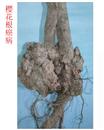
What are the control methods for cherry blossom crown gall disease?
How do you control cherry blossom crown gall disease? Here are the methods. The gorgeous cherry blossom is deeply loved by people, but it is easily infected by a fatal crown gall disease. This disease mainly occurs on the roots and on the trunk and lateral branches of the aboveground part of the cherry blossom. In the early stage of the disease, the root crown swells into spherical or hemispherical tumor-like growths; young galls are white, with a soft texture...
-
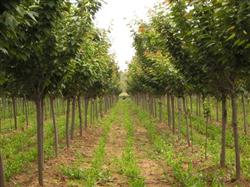
What are the common pests and diseases of cherry blossoms, and how are they controlled?
What are the common pests and diseases of cherry blossoms? Here is an introduction to how to control them. There are many types of pests and diseases affecting cherry blossoms; the common ones are described below: Shot-hole brown spot disease occurs from May to June, with small purplish-brown spots appearing on the leaves, which gradually expand into circular shapes; after the diseased spots dry and shrink, they become small holes. The pathogen mostly overwinters on diseased branches and diseased...
-
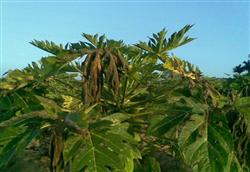
How to control papaya rust in papaya tree cultivation?
How to control papaya rust? What harm does papaya rust cause? What methods can control papaya rust? Please provide guidance. The harm of papaya rust: after the leaves are affected, shiny orange-yellow fine spots appear, gradually expanding into round spots about 5 mm in size, and producing yellow slime. The underside of the leaf is raised. And produces gray-yellow...
-
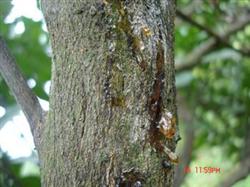
What to do about gummosis on navel orange trees? Analysis of control methods
What to do about gummosis on navel orange trees? What causes gummosis on navel orange trees? Please advise. After navel orange trees enter June, temperatures rise, rainfall is plentiful, and with high temperature and high humidity, various pests and diseases begin to occur in large numbers. Gummosis is a fungal disease caused by Phytophthora, mainly damaging the trunk, followed by large branches, weakening the tree...
-
Navel Orange Cultivation Techniques: How to Prevent and Control Physiological Diseases of Navel Oranges?
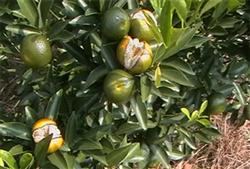
How to prevent and control physiological diseases of navel oranges? Please provide an introduction. The main physiological diseases of navel oranges are fruit cracking, sunburn, and navel yellowing. For control methods, please refer to the following list: Control methods for navel orange fruit cracking. For navel orange fruit cracking, first select varieties (lines) with strong cracking resistance. Generally, varieties (lines) with oval fruit shape, small navel or closed navel have better cracking resistance, such as Newhall and others. Second, strengthen scientific management to enhance tree vigor. Especially during the drought period after the plum rain and before the autumn rains arrive, water management must be done particularly well, with timely irrigation or watering (sprinkling) to keep the soil moist and promote normal fruit growth and development. Third, during the rapid fruit expansion period, spray foliar potassium fertilizer 2 to 3 times consecutively.
-
What are the control methods for grape anthracnose?
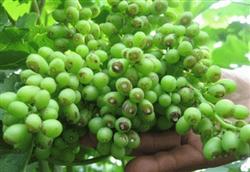
What harm does anthracnose do to grapes? How do you control grape anthracnose? We also ask netizens to help introduce it. Zhongdi Network has compiled the harm, causes and control methods of grape anthracnose, listed below for your reference. The harm of anthracnose to grapes: anthracnose mainly damages the fruit, while leaves, new...
条件筛选