Causes and Control Methods of Acute Wilting of Cotton After Rain
What causes acute wilting of cotton after rain and why should it be prevented? Please give an introduction to the causes of acute wilting in cotton: First, insufficient soil oxygen. After cotton fields are waterlogged, the roots receive insufficient oxygen, causing root suffocation and affecting the normal absorption function of the root system. The longer the suffocation lasts, the more severe the root damage. Second, improper fertilization. A one-time topdressing...
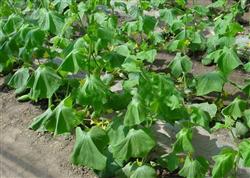
What causes acute wilting of cotton after rain and why should it be prevented? Please give an introduction
Causes of acute wilting in cotton: First, insufficient soil oxygen. After cotton fields are waterlogged, the roots receive insufficient oxygen, causing root suffocation and affecting the normal absorption function of the root system. The longer the suffocation lasts, the more severe the root damage. Second, improper fertilization. A one-time excessive topdressing causes the soil solution concentration to become too high after rain, leading to reverse osmosis in cotton leaves.
To reduce losses, it is recommended that cotton farmers focus on the following measures in management: First, drain water early. For cotton fields with standing water, the accumulated water should be drained out of the field promptly after rain. For cotton fields that have become waterlogged, the surface soil should be broken up and aerated in a timely manner to reduce surface moisture and improve the growing environment of the cotton field. Second, foliar topdressing. Spray the leaves with a mixture of 0.2% potassium dihydrogen phosphate plus 1% urea, applying once every 7 days for 2~3 consecutive applications, which can improve the wilting of cotton. The best time to spray is after 4 p.m. or on cloudy days, applying to the underside of the leaves. Third, timely control of pests and diseases. Generally, high temperature and high humidity after rain can easily lead to the occurrence of cotton fusarium and verticillium wilt, boll rot, cotton bollworm, plant bugs and other pests and diseases. Control can be carried out in combination with foliar topdressing.
Click to get more cotton cultivation techniques
Click to get more grain crop cultivation techniques