What are the control methods for cherry blossom crown gall disease?
How do you control cherry blossom crown gall disease? Here are the methods. The gorgeous cherry blossom is deeply loved by people, but it is easily infected by a fatal crown gall disease. This disease mainly occurs on the roots and on the trunk and lateral branches of the aboveground part of the cherry blossom. In the early stage of the disease, the root crown swells into spherical or hemispherical tumor-like growths; young galls are white, with a soft texture...
How do you control cherry blossom crown gall disease? Here are the methods
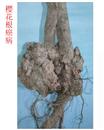
The gorgeous cherry blossom is deeply loved by people, but it is easily infected by a fatal crown gall disease. This disease mainly occurs on the roots and on the trunk and lateral branches of the aboveground part of the cherry blossom. In the early stage of the disease, the root crown swells into spherical or hemispherical tumor-like growths; young galls are white, soft in texture, and smooth on the surface. Later the galls gradually enlarge, become hard in texture, brown or dark brown, rough on the surface, and cracked, and spread from the root crown gradually to the main root, lateral roots, and even fine roots, with the nodes swelling into tumors of varying sizes, causing the cherry blossom to grow slowly or even stop growing, and the whole plant dies within 3 to 5 years. The disease incidence is relatively high in seedlings, especially at the graft union of the scion on the rootstock of grafted seedlings.
This is caused by bacteria of the genus Agrobacterium. It spreads with air and rainwater, and wounds are easily infected. Control methods:
1. Strictly enforce quarantine. Destroy diseased seedlings on the spot when found, and do not buy diseased seedlings.
2. Practice crop rotation. In plots where cherry blossom crown gall disease has occurred, thoroughly dig out and burn the diseased trees and diseased roots, replace the tree species, and do not plant cherry blossoms again within 3 years.
3. Physical control. In late autumn and early winter or early spring when the cherry blossom is dormant, dig up the diseased trees, cut away all root galls, apply 500-1000 ppm oxytetracycline to the wounds, and transplant them to a disease-free area with better site conditions for careful management.
4. Chemical control
① Before the rainy season arrives, irrigate the affected area with 300-400 times diluted "402", once every 10 days, for 3 consecutive applications, with good results.
② When symptoms are found during the growing season, promptly dig open and cut off the tumors, apply 1000-2000 ppm streptomycin or 500-1000 ppm oxytetracycline to the wounds, and then cover them back with soil.
③ Disinfect the soil with cobalt chloride or mercuric chloride water.
④ Before planting seedlings in the field, soak the roots in 500-1000 ppm streptomycin for half an hour, or soak them in 1% copper sulfate solution for 5 minutes, rinse with clean water, and then plant.
Click to get more cherry blossom planting techniques
Click to get more flower planting techniques