-
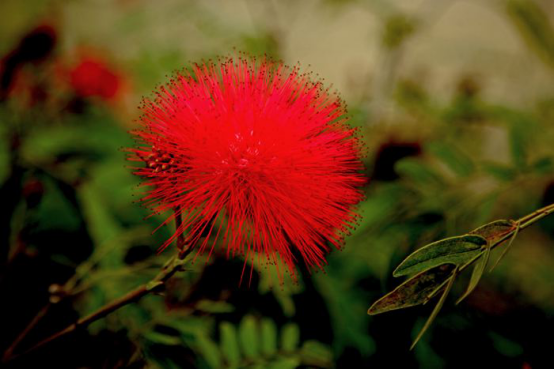
How to grow the powderpuff plant? A detailed guide to care precautions
Soil: The powderpuff plant (Calliandra) is an introduced species that prefers a warm, humid environment with plenty of sunlight. It is not cold-tolerant and is not demanding about soil; as long as the soil layer is deep and well-draining, the powderpuff plant will grow well. Water and fertilizer: The powderpuff plant has a relatively high demand for water and fertilizer.
-
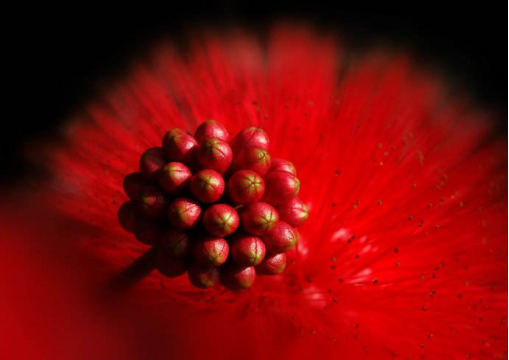
What are the precautions for growing Calliandra haematocephala (powder puff tree)?
Pruning: The calliandra plant grows very tall and large, so pruning should begin when the young tree reaches 2 m in height. The main branches of the calliandra can be cut back to encourage new shoots and make the crown fuller. Normally, pay attention to pruning the plant shape, removing surplus side branches and unnecessary new buds
-
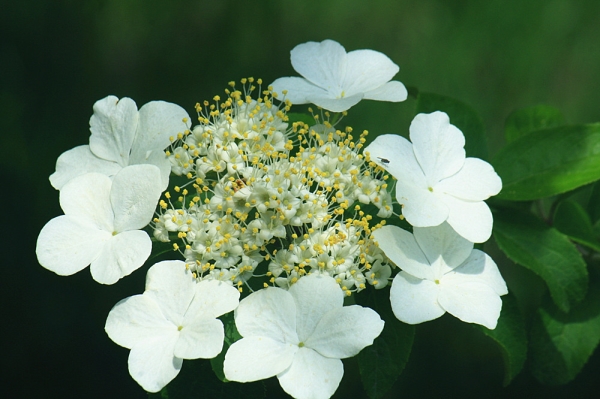
Caring for Doublefile Viburnum: Precautions and Maintenance Methods
When propagating by seed, we must carefully choose the growing medium; the factors to consider are whether it is fertile and whether its drainage performance is good. We should also carry this out in a semi-shaded environment, taking care not to expose the plants to overly strong light. It is best to propagate in early spring, as this gives a higher survival rate.
-
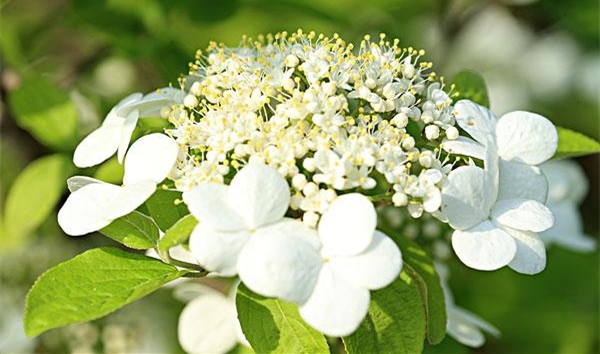
Detailed Guide to the Cultivation Methods and Precautions for the Guelder Rose (Viburnum macrocephalum)
The suitable growing temperature for the guelder rose is between 15 and 30°C. It is a plant that is relatively shade-loving and shade-tolerant, and has strong cold resistance, so in summer it should be sprayed with water to cool it down, and it is best to plant it in slightly acidic and neutral soil.
-
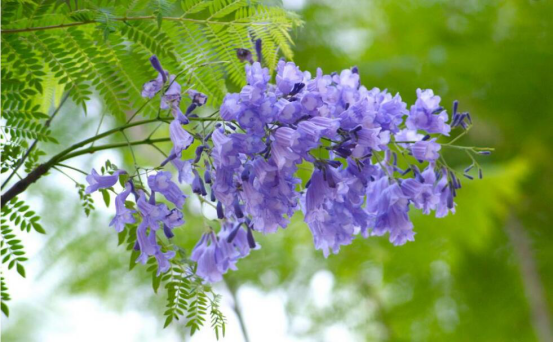
How to grow jacaranda? Detailed guide to cultivation methods and precautions
1. Temperature and light. The jacaranda is native to tropical America and prefers a warm, humid environment with plenty of light; it is not tolerant of cold, frost or snow. It grows best at temperatures between 22 and 30 degrees Celsius. If the temperature drops below 15 degrees, the jacaranda will stop growing or may even be damaged by the cold
-
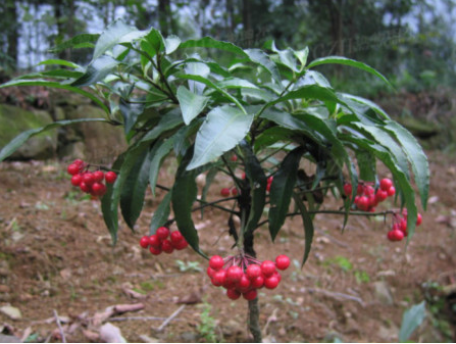
What are the cultivation methods and precautions for coral ardisia (Ardisia crenata)?
1. Pay attention to humidity. Coral ardisia can only grow in a wet or semi-dry, semi-humid climate, and the air humidity must be kept at 60%-80%, otherwise the lower leaves will turn yellow and drop off, and the upper leaves will become dull. 2. Pay attention to temperature. Coral ardisia's homeland is in tropical regions
-
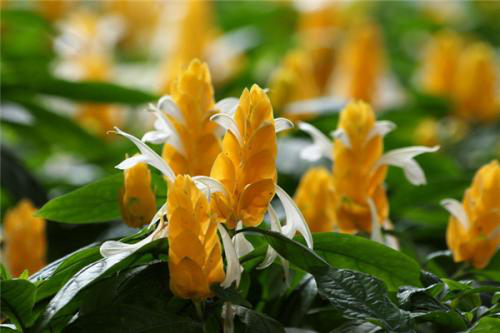
Pachystachys lutea Growing Methods and Precautions Explained
1. Temperature The suitable temperature for the growth of Pachystachys lutea is about 15°C-25°C. Too high or too low a temperature is bad for its growth. Too low a temperature will cause leaves to fall off, and in severe cases the plant may even wither and die. In winter, it should be placed indoors in a spot with ample sunlight, watering should be slightly controlled, and the temperature should be at least above 10°C.
-
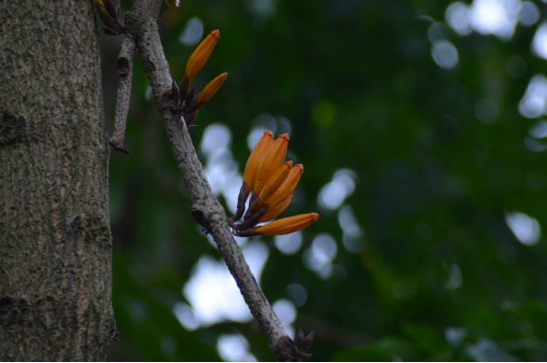
Cultivation methods and precautions for the African tulip tree
I. Soil The African tulip tree prefers fertile soil with a deep soil layer, ideally neutral or slightly acidic soil with good drainage. Although the African tulip tree is native to the tropics and has strong tolerance to poor soil, we still need to apply a certain amount of base fertilizer when planting it. II. Light and temperature The African tulip tree likes light
-
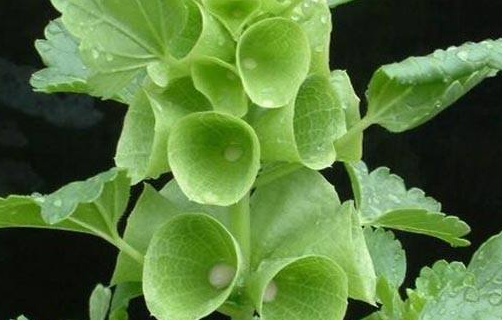
What are the cultivation methods and precautions for Moluccella laevis (shell flower)
Soil Moluccella laevis cultivation has relatively high soil requirements: it needs loose, airy, fertile and well-drained soil. The soil should not be heavily clayey, otherwise it will be detrimental to the plant's growth. We can mix the soil ourselves, or buy special soil for Moluccella laevis at a flower shop. Light Moluccella laevis is very fond of sunlight
-
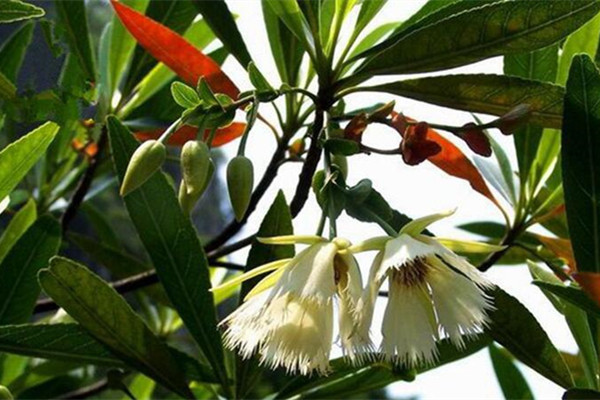
How to grow olive flowers? Detailed explanation of cultivation precautions
Olive flowers are often attacked by viruses. The common disease is anthracnose, which we can treat by spraying a 600-fold copper oxychloride solution. Diseased branches should be pruned off promptly to prevent the spread of infection.
条件筛选