-
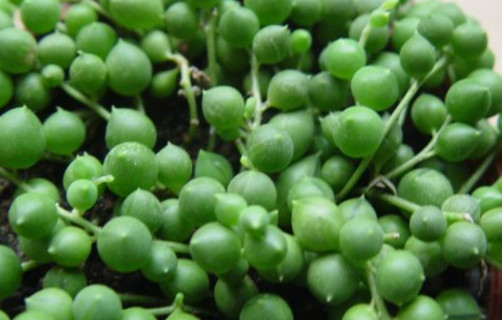
How to grow String of Nickels? Growing methods and precautions
1. Choosing potting soil and containers. String of Nickels is basically a plant that can grow in any soil, but to make it grow more luxuriantly, you should still use fertile, loose potting soil, such as succulent potting soil bought at a flower market or general-purpose nutrient soil for plants.
-
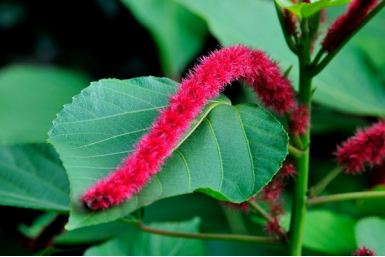
How to grow Acalypha hispida? Detailed guide to cultivation methods and precautions
1. Light and temperature. Acalypha hispida is not cold-tolerant, requires ample light, and prefers growing in a warm environment, with an ideal temperature between 20 and 30 degrees. Because it is not cold-tolerant, it must be moved indoors in winter with the temperature kept above 15 degrees, otherwise it will suffer cold damage, and the leaves will turn yellow and drop. 2. Watering and fertilizing
-
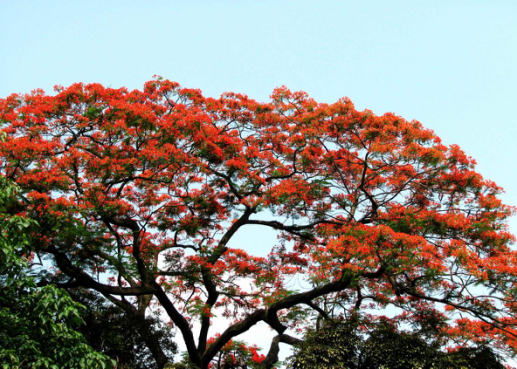
What are the care precautions for the flame tree (Delonix regia)?
1. Temperature: The flame tree is a tropical tree species that loves high temperatures and is not cold-tolerant. It can only overwinter smoothly in winter if the temperature does not drop below 10°C. 2. Watering: The flame tree has low requirements for soil, but the soil must be well-drained, because its roots have rhizobia that can fix nitrogen and increase soil fertility, but waterlogging will kill the rhizobia.
-
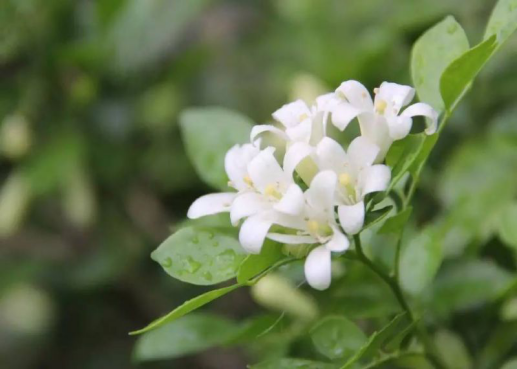
How to grow night-blooming jasmine? Detailed guide to growing methods and precautions
Temperature The greenhouse temperature for growing night-blooming jasmine must be kept at 8-12°C at all times. If the greenhouse is below 5°C, the leaves of night-blooming jasmine will turn yellow and drop, and in severe cases it may even threaten its survival. The best time to move it into the greenhouse is mid to late October. Light Night-blooming jasmine loves light and needs good ventilation
-

-

How do you grow a ginkgo bonsai? Detailed care precautions
Light: Ginkgo likes light, so you can place it in a spot with plenty of sunlight and good air circulation, such as a balcony. In summer, avoid exposure to the sun and provide appropriate shade. The suitable temperature for ginkgo tree growth is between 15°C and 25°C. It is slightly cold-tolerant and can overwinter outdoors, but it is best to bury the flower pot.
-
What are the care precautions for Prunus x cistena (purple-leaf sand cherry)?
1. Winter care. Prunus x cistena has a certain degree of cold tolerance; mature plants only need their trunks whitewashed in winter. For saplings planted that same year, mounding soil around the roots or wrapping a ring of straw matting around the trunk can help Prunus x cistena get through the winter. For seedlings still developing
-
How to Grow and Care for Chinese Pulsatilla: Methods and Precautions
Soil Chinese pulsatilla is suited to growing in deep soil with good drainage. Sandy soil or clay soil both work, with plenty of base fertilizer added. Light and temperature Chinese pulsatilla loves sunlight very much, but strong direct light should not be allowed to hit it. It is suited to growing in a cool, dry environment, and its cold tolerance is very good.
-
What are the care precautions for ginkgo bonsai?
1. Placement: Ginkgo likes light, so it must be placed in a sunny, well-ventilated and relatively humid place; however, in summer, avoid direct sun exposure and provide appropriate shade; in winter, because it is cold-resistant, it is generally placed outdoors, but it is best to bury it together with the pot in the soil
-
How to grow Prunus x cistena (purple-leaf sand cherry)? Growing methods and precautions
1. Light. Prunus x cistena likes sunlight. If the light is insufficient, its leaves will turn greenish, so if you want the leaves to be a bright purple-red, you should plant it in a place with plenty of light. 2. Soil. Prunus x cistena is not demanding about soil.
条件筛选