-
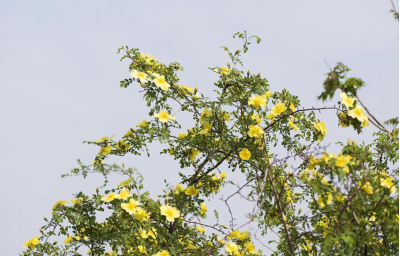
What are the cultivation methods and precautions for Rosa xanthina?
I. Fertilizing First, it is necessary to apply one to two spadefuls of decomposed compost as a base fertilizer in the hole where the Rosa xanthina seedling is placed. Note here that after planting, Rosa xanthina needs to have a fairly large number of branches pruned and to be watered thoroughly, then watered again after about 3 days; this can greatly increase the survival rate of the young Rosa xanthina seedlings.
-
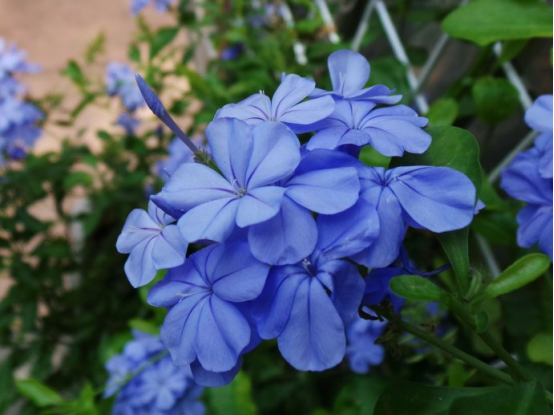
What are the precautions for growing Plumbago auriculata
Plumbago auriculata grows on small hillsides and flat ground. It likes warmth and cannot tolerate cold. In North China and other temperate regions, it can be cultivated as a flowering plant. The suitable growth temperature is 25°C. It likes light, but should not be exposed to scorching sun. In summer, pay attention to providing appropriate shade. It requires a humid environment; dryness is bad for its growth, and it is not drought-tolerant.
-
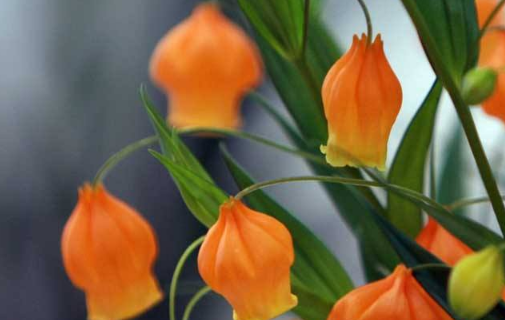
How to grow Sandersonia aurantiaca? Cultivation methods and precautions
1. Soil: Choose loose, fertile soil with good drainage. If the soil is low in acidity, improve it with quicklime, which both improves the soil and kills some soil-borne pathogens and underground pests. If the soil is relatively alkaline, improve it with phosphoric acid added to peat; the amount depends on the specific situation.
-
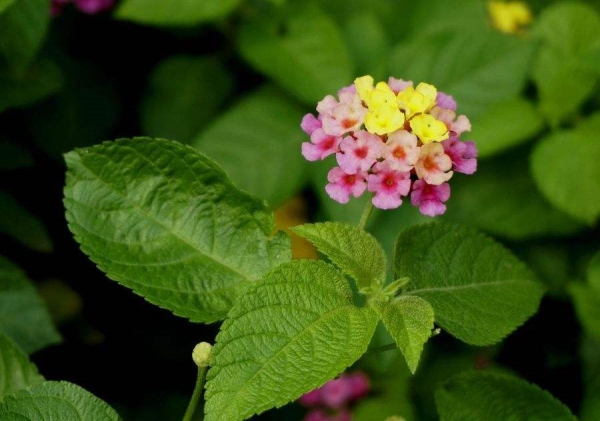
What are the precautions for growing Lantana camara?
Lantana camara loves sunlight, so it is best to maintain at least five hours of light per day, which helps it bloom abundantly and grow better. It also loves to grow in a warm and humid climate; this species is a tropical plant that prefers high temperature and high humidity, also tolerates dry heat, and has poor cold resistance, so in winter it should be placed indoors for care.
-
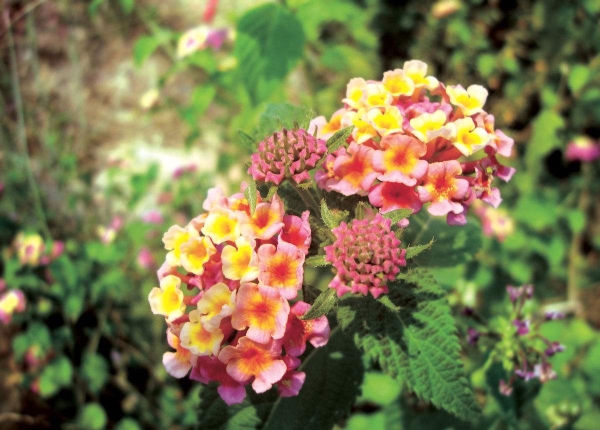
Can Lantana be kept at home? Precautions for keeping it at home
Lantana gives off a pungent odor, so many flower lovers should also take care not to keep lantana in the bedroom. The best place to keep lantana is a balcony or a flower bed, where it both drives away mosquitoes and flies and beautifies the scenery. Note that during care, do not touch the plant. When pruning is needed
-
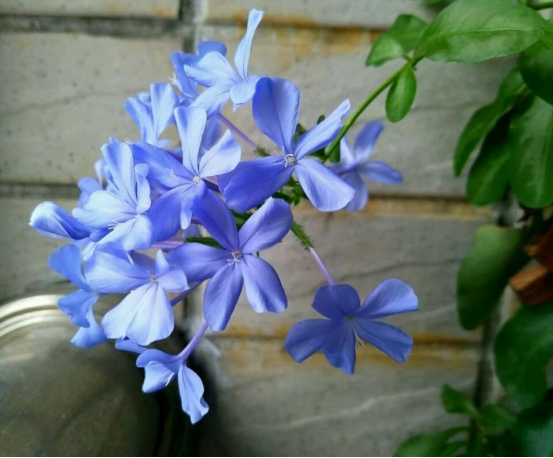
Blue Plumbago Growing Methods and Precautions
1. Light. Blue Plumbago is a plant that greatly loves light and will only bloom under long-day conditions. As long as a sufficient water supply is guaranteed, even the scorching sun of midsummer is no problem at all. Note that when light is insufficient, the amount of blooming will decrease noticeably, and the branches will become thinner and softer.
-
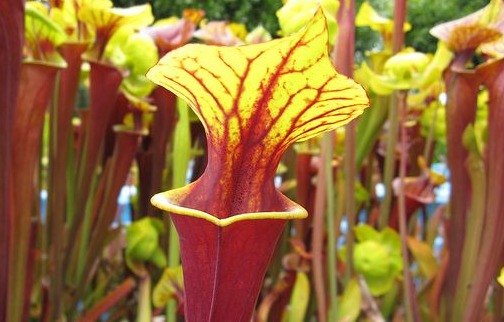
How to Grow Pitcher Plants? Detailed Guide to Cultivation Methods and Precautions
Substrate Pitcher plants do not have high requirements for the substrate, because their root system is very well developed and will fill the entire bottom of the pot. This substrate can be mixed by ourselves, combining peat soil, sphagnum moss, perlite and other materials together. Remember to place some broken tiles or bricks at the bottom of the pot
-
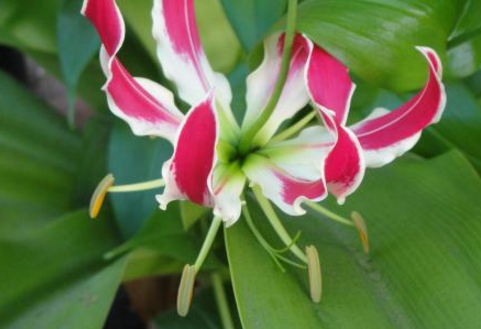
What are the cultivation methods and precautions for Gloriosa superba?
1. Soil: Gloriosa superba needs to be grown in sandy loam rich in humus, loose and fertile, with good drainage. 2. Water: Gloriosa superba likes a humid environment and needs plenty of water during its growing period, but the soil should not be too wet, as this can cause root rot; in winter it enters dormancy, so watering should be reduced.
-
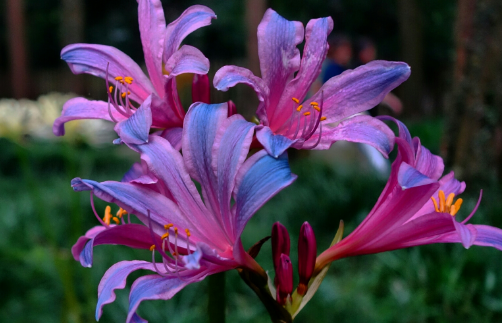
How to grow Lycoris sprengeri? Cultivation methods and precautions
Soil Lycoris sprengeri does not have high requirements for soil; generally, soil in gardens and grasslands will do. However, if you want the plant to grow vigorously, it is best to use loose, airy, fertile soil, as this not only benefits the plant's growth but also promotes flowering, and the flowers it produces will be even more brilliant
-
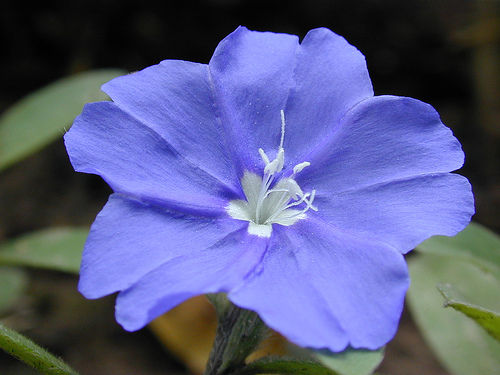
How to grow blue daze? Detailed guide to care precautions
1. Pruning: Blue daze enters dormancy or semi-dormancy in winter, so weak branches, diseased branches, dead branches and dense branches should be cut off. Branch tidying can also be combined with cuttings. 2. Propagation methods: Blue daze is mainly propagated by seed sowing and cuttings. 3. Repotting: Blue daze grows very fast
条件筛选