-
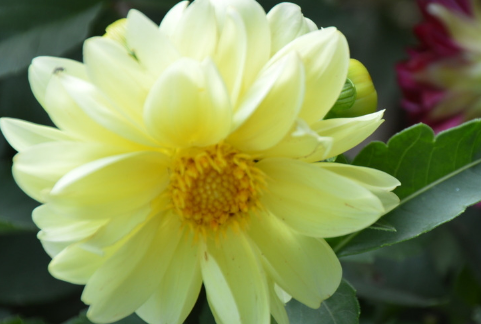
What are the sowing precautions for dahlia? Keep these key points in mind
1. Soil For potted dahlia, choose loose, fertile, well-drained sandy soil; heavy clay soil is not suitable. 2. Temperature Dahlia is hardy and can grow normally even in high summer temperatures, but it is best to keep the temperature at 15-20°C, which is more favorable for seed germination. 3. Watering After sowing the seeds, water promptly
-

How to grow a sago palm? Cultivation methods and precautions
How to grow a sago palm and precautions
-
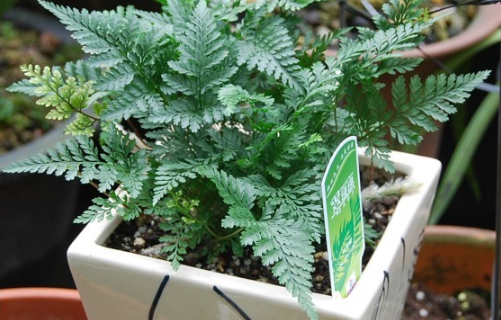
How to Grow Rabbit's Foot Fern in Water: Methods and Precautions Explained
Making the planting basket: Spread a layer of cotton at the bottom of the planting basket, then place a layer of non-woven fabric on top of the cotton to ensure the plant has sufficient water during growth. Note that the cotton thread should pass through the bottom of the planting basket, so the roots of the plant can be better secured. Potting: Wash the rabbit's foot fern clean with water
-
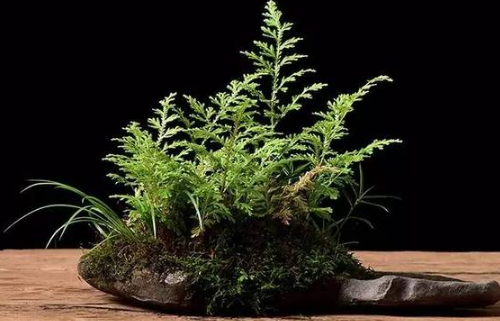
How to Grow a Rabbit's Foot Fern? Detailed Care Methods and Precautions
1. Soil: When growing a rabbit's foot fern, you can choose the pot you want according to your ornamental preferences. Generally, a tall pot or a hanging basket is a good choice, and you can also choose pots with unique shapes, such as a custom-made tree fern pot or a piece of rotten wood. The soil should be loose, breathable and well-draining.
-

What are the precautions for raising Silkie chickens? Don't overlook these details
Precautions for raising Silkie chickens
-
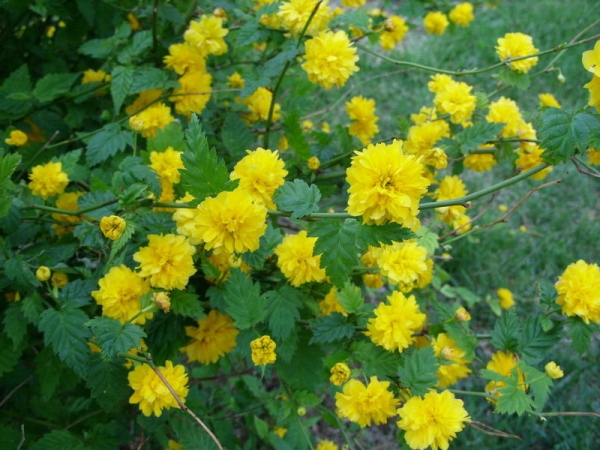
How to grow Kerria japonica? Cultivation methods and precautions
Kerria japonica has a low water requirement, but in the scorching summer, water evaporates too quickly, so it needs frequent watering. You can spray a mist of water into the air or onto the leaves to keep them moist and prevent the potting soil from becoming too dry. Also, during its growth, dead branches need to be pruned away in time, otherwise bacterial infection will occur and spread to the roots.
-
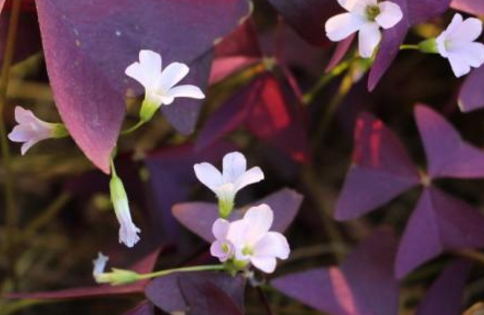
What are the precautions for growing purple shamrock (Oxalis triangularis)?
1. Pruning: when the plant grows too vigorously, remove the denser leaves to improve ventilation and light penetration; also remove dead leaves promptly in normal care to keep the plant shape attractive. 2. Repotting: purple shamrock grows quickly, so repot it once every spring and promptly replace the soil with fresh, fertile, suitable soil.
-
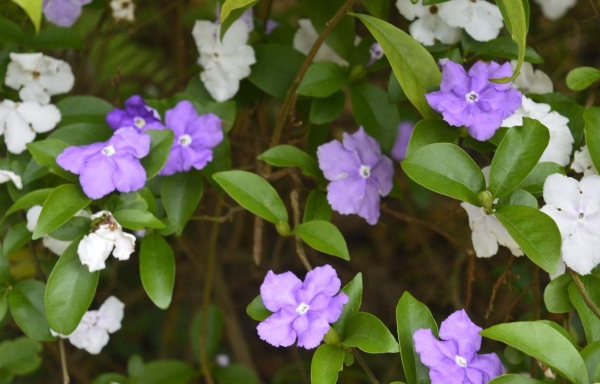
What are the care precautions for growing yesterday-today-and-tomorrow (Brunfelsia pauciflora)?
Yesterday-today-and-tomorrow loves a sunny environment, but it cannot be exposed to harsh direct sunlight, because excessive exposure easily causes the flowers and leaves to wither. It is best to ensure 4 hours of light each day. Also, to keep the air humid, you can spray plain water on the leaves. In winter, keep the potting soil dry, and in the rainy season reduce watering as well.
-
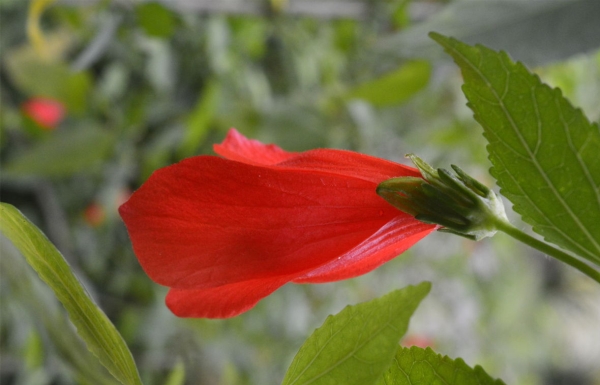
What are the precautions for growing Chinese lantern flowers?
Although Chinese lantern flowers are hardy and easy to care for, there are still many things to pay attention to if you want to grow them well on a regular basis. We need to make sure the potting soil is changed every spring, adding fresh leaf mold, and prune them in good time to encourage more new branches to grow. In addition, during the growing period of Chinese lantern flowers, fertilize once every half month.
-
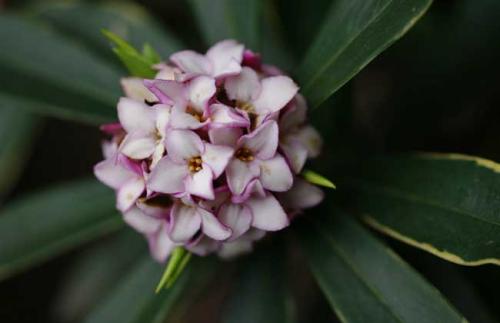
How to grow Daphne odora 'Aureomarginata'? Detailed growing methods and precautions
1. Pot and soil: Choose a flower pot of moderate size, and select soil that contains humus and is slightly acidic, as this is beneficial to the growth of Daphne odora 'Aureomarginata'. 2. Repotting: Daphne odora 'Aureomarginata' generally needs to be repotted once every 2 years, which keeps it able to produce beautiful flowers and promotes its growth.
条件筛选