-

How to grow bleeding heart (Dicentra spectabilis)? Detailed guide to cultivation methods and precautions
1. Watering: The bleeding heart has fleshy roots, and waterlogging will cause root rot. Therefore, water moderately according to factors such as the weather, the potting soil and the plant's growth condition, adhering to the principle of not watering until dry, watering as soon as it dries, and never allowing waterlogging. 2. Fertilizing: The bleeding heart loves fertilizer. When planting and when repotting and changing the soil,
-
What are the precautions for growing Sinocalycanthus chinensis
I. Pest and disease control The main pests of Sinocalycanthus chinensis are scale insects and aphids, and the diseases include black spot and anthracnose, which are especially prone to occur in high-temperature seasons, so management must be strengthened in summer. II. Pay attention to wind protection Sinocalycanthus chinensis is afraid of wind, so when cultivating it in the open ground, choose a sheltered spot; otherwise the leaves will produce rust spots from rubbing against each other.
-
What are the precautions for growing miniature roses?
Miniature roses are prone to pests and diseases during cultivation, with the main diseases being powdery mildew, gray mold, and black spot. At this point, we can carry out scientific cultivation to prevent and control them, spraying 5 degrees Baume lime sulfur mixture before budding to enhance the plant's disease resistance, and promptly removing dead branches and fallen leaves.
-
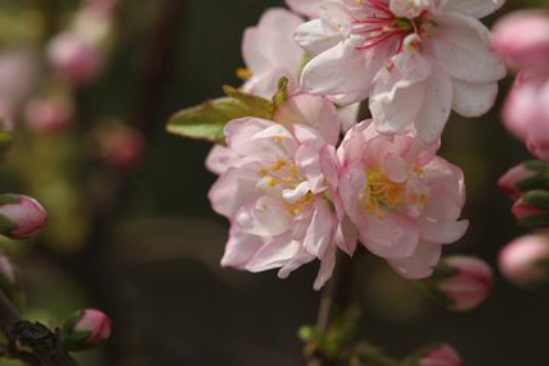
What are the precautions for planting dwarf flowering almond?
During the growth of dwarf flowering almond, it is often troubled by diseases, especially in September each year, which is the peak period for dwarf flowering almond diseases. So what should we do at this time? Don't worry, let me offer a tip: treating it with carbendazim will do the trick! Another point is that dwarf flowering almond likes to grow in an environment with plenty of sunlight.
-
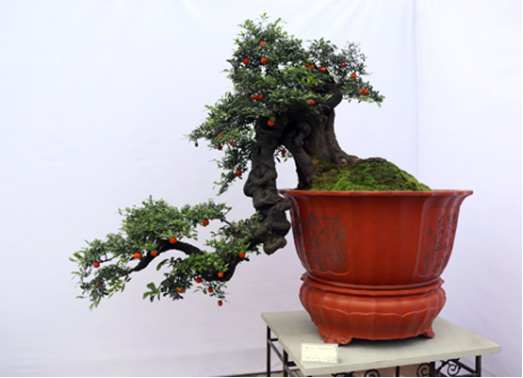
Care Methods and Precautions for the Golden Bullet Tree (Diospyros armata)
Placement: The Golden Bullet Tree likes warmth and humidity, so it is best placed in a spot with plenty of sunlight. In summer it can be given a little shade, and in winter it needs to be brought indoors. When watering, the potting soil must always be kept moist and must not dry out. When temperatures are high, besides providing appropriate shade, it should also be sprayed with water frequently. Fertilizing: during the growing season, it should be fertilized regularly.
-
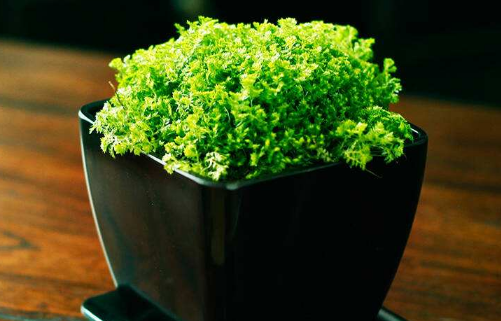
How to grow green coral fern? Care methods and precautions
Soil Green coral fern has fairly strict soil requirements. You want to choose loose, breathable and well-draining soil. Generally we can mix it ourselves, using peat soil, perlite and vermiculite mixed together, and that gives the soil the plant needs. Note that the plant likes a humid environment
-
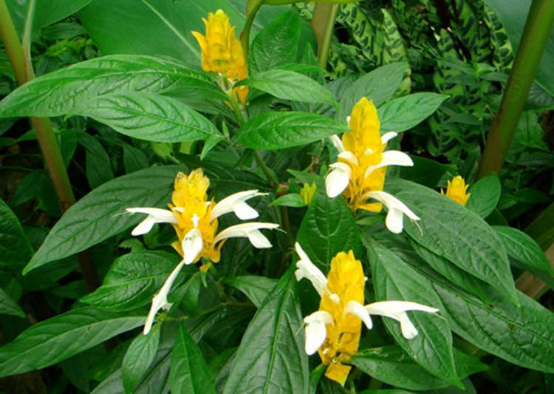
What are the precautions for growing Pachystachys lutea?
Pachystachys lutea is a sun-loving plant, so when growing it you should let it bask in sunlight as much as possible. If grown indoors, it is best placed on a balcony so it can carry out photosynthesis better; if grown in a courtyard, try not to grow it in shady spots. Pachystachys lutea is a plant that is not cold-tolerant, so special attention is needed in winter.
-
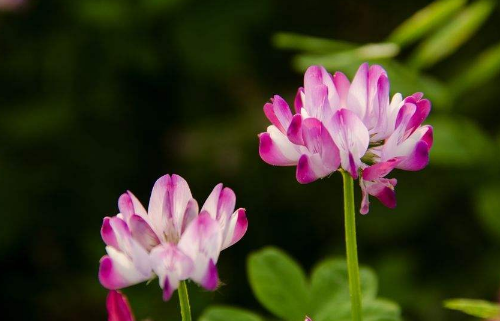
Cultivation methods and precautions for Chinese milk vetch
1. Soil The minimum requirement for soil used to plant Chinese milk vetch is that it be healthy, loose and well-draining, and the soil must not contain pathogens or insect eggs. A pH between 5.5 and 7.5 is most suitable, and of course fertile soil will be even more favorable for the growth of Chinese milk vetch. 2. Light Chinese milk vetch prefers ample light
-

How to Grow and Care for Caladium (Elephant Ears): Methods and Precautions
1. Temperature: Caladium is a tropical plant that loves warmth. The ideal growing temperature is between 25-30°C, and in winter the temperature should be kept at 15-20°C; otherwise the leaves will turn yellow and the plant will wither. 2. Light: Caladium naturally loves sunlight. Insufficient light will cause the spots on the leaves to darken and the leaves to become weak and spindly.
-
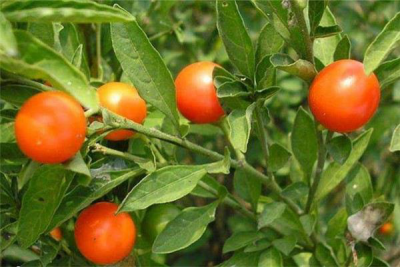
What are the precautions for propagating Jerusalem cherry?
1. Propagation methods. Jerusalem cherry is generally propagated by sowing or cuttings. In spring, either sowing or cuttings can be used, while in autumn, cuttings are the most suitable method. 2. Pests and diseases. In summer, Jerusalem cherry is prone to anthracnose, which affects the growth of stems and leaves.
条件筛选