-
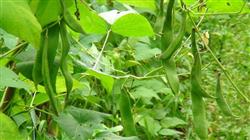
Key Techniques for Controlling Root Rot of Kidney Beans in Protected Cultivation
The suitable planting areas for white kidney beans in Shangri-La County are the mountainous and semi-mountainous areas of five townships along the Jinsha River: Hutiaoxia Town, Jinjiang Town, Shangjiang Township, Wujing Township, Sanba Township and Luoji Township. These areas sit against high mountains, have a beautiful environment, are free from the "three wastes" pollution of industry and mining, and are far from towns and cities. The soil is mostly red-brown earth and oil-sand soil...
-
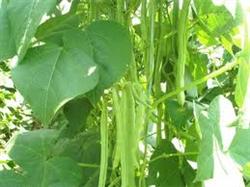
Key Technical Points for High-Efficiency Cultivation of Cucumber Intercropped with Kidney Beans
At present, greenhouse-cultivated kidney beans are in the vine-extending and flowering stage. How can we ensure a bumper harvest? Here we suggest vegetable growers grasp the following key measures for management. 1. Topping at the right time. The cultivation environment for greenhouse kidney beans differs from that for open-field kidney beans. Due to the higher temperature inside the greenhouse, growth is faster...
-

How to intercrop and relay-crop kidney beans in cotton fields? Detailed technical key points
1. Choose good varieties. Varieties should be selected that have wide adaptability, strong stress resistance, a high pod-setting rate, and high yield. 2. Sow at the right time. During cultivation, the appropriate sowing time should be grasped, and seeds that are plump and glossy should be selected for sowing, so that plant growth and development are under good environmental conditions, reducing flower and pod drop and improving...
-
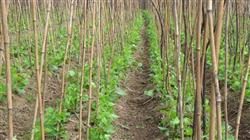
Key Techniques for High-Yield and High-Efficiency Cultivation of Autumn Kidney Beans
Autumn kidney beans, also known as sword beans or green beans, are one of the main autumn vegetables in Dongtai City, Jiangsu Province. From 2004 to 2007, cumulative planting promotion covered more than 20,000 mu, with a yield of 1,300-1,400 kg per mu and an output value of 1,800-2,200 yuan. In addition to supplying the market, most of the product is used for foreign trade dehydration processing. 1. Reasonable arrangement of crop rotation. Planting autumn kidney...
-
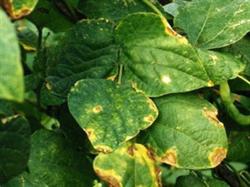
Cultivation Techniques for Interplanting Snap Beans in Greenhouse Tomatoes
Symptoms: The disease can occur from the seedling stage to the mature plant stage, mainly affecting leaves, stems and vines, pods and seeds. The cotyledons of diseased seedlings show red-brown canker-like lesions, and lesions at the stem base encircle the stem, appearing as a red-brown canker, causing the seedlings to break and die. Control methods: 1. Implement a crop rotation of more than 3 years. 2. From disease-free fields...
-
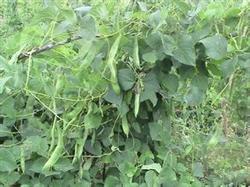
Main Pests and Diseases of Kidney Beans and Their Control Methods
See symptoms of southern blight of cucurbits: the stem base turns dark brown, densely covered with white filamentous mycelial strands, and later tea-brown round sclerotia form on the mycelial layer. Disease pattern and control methods: refer to southern blight of cucurbits. Distribution and host plants of sclerotinia rot of kidney bean: distributed in all regions. Besides damaging kidney beans, ...
-
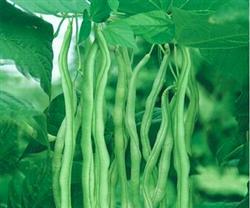
Detailed Explanation of Key Points for High-Yield Cultivation Techniques of Runner Beans
Runner beans originated in Mexico and the Americas and began to spread around the world in the 17th century. They are also known as multiflora beans and large-flowered runner beans. They have a long cultivation history, and due to large export volumes, the planted area has expanded year by year. They are nutritious and high in protein, serving as both a vegetable and a grain, and can also be used for pastries and bean paste. They are an important agricultural and sideline product for earning foreign exchange through export...
-
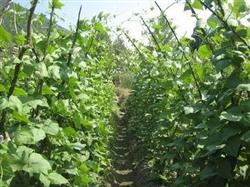
How to solve red root in kidney beans? Detailed explanation of prevention and control methods
The kidney bean originated in Mexico and the Americas and began spreading around the world from the 17th century. It is also known as the multiflora bean and the large-flowered kidney bean. It has a long history of cultivation, and because of large export volumes, its area has expanded year by year. It is rich in nutrients and high in protein; it is both a vegetable and a food grain, and can also be used for pastries and bean paste, making it an export earner...
-
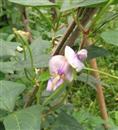
What are the reasons for avoiding watering during the flowering period of common beans?
Some vegetable growers planted common beans this year. Because the soil in the greenhouse had not been watered for more than 10 days and was rather dry, they watered once during the flowering period of the common beans to ensure the water supply for the beans. As a result, a large number of common bean flowers and newly grown tender pods dropped, which made the farmers very troubled. So when the soil is rather dry during the flowering period of common beans, how should...
-
What is formula fertilization for yardlong beans? Read this one article to understand
What is formula fertilization for yardlong beans? Please introduce the formula fertilization method for yardlong beans: 1 Nutrient requirements: producing 1000 kg of yardlong beans requires 10.2 kg of pure nitrogen, 4.4 kg of phosphorus pentoxide, and 9.7 kg of potassium oxide. 2 Key fertilization points for a yield of 2000 kg per mu: 2.1 Base fertilizer. Before planting, apply 3000 kg of organic fertilizer per mu, 4...
条件筛选