What are the reasons for avoiding watering during the flowering period of common beans?
Some vegetable growers planted common beans this year. Because the soil in the greenhouse had not been watered for more than 10 days and was rather dry, they watered once during the flowering period of the common beans to ensure the water supply for the beans. As a result, a large number of common bean flowers and newly grown tender pods dropped, which made the farmers very troubled. So when the soil is rather dry during the flowering period of common beans, how should...
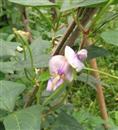
Some vegetable growers planted common beans this year. Because the soil in the greenhouse had not been watered for more than 10 days and was rather dry, they watered once during the flowering period of the common beans to ensure the water supply for the beans. As a result, a large number of common bean flowers and newly grown tender pods dropped, which made the farmers very troubled. So when the soil is rather dry during the flowering period of common beans, how should water be supplemented for them?
Experts believe that "dry flowers, wet pods" is the key point of common bean flowering period management. That is to say, before common beans flower, water control should be the main practice. If the soil moisture condition is good, water only once about 10 days before flowering to provide for flowering, and then wait until the pods set and grow to about 4 cm before watering again. If too much water is applied before flowering, excessive soil moisture can easily cause the plants to grow excessively and lead to flower and pod drop, and the flower and pod drop of Master Pan's common beans was precisely caused by excessive watering. However, water control should not be excessive either. Soil drought can likewise cause poor flower bud differentiation in common beans and lead to flower and pod drop. Therefore, when the soil is too dry, a light watering should be adopted to supplement the water needed for plant growth and development, so as to avoid flower and pod drop. If vegetable growers cannot manage the watering amount well, it is still better to use a sprayer to irrigate the roots. About half a jin of irrigation water per plant is sufficient, and then when the common bean pods grow to about 4 cm, water can be applied to supplement moisture.