-
What types of beans are there? An introduction to common varieties
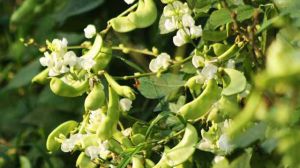
Hyacinth bean: it is flat in shape, with a textured skin that is very fine and dense with slight undulations, and the pod flesh is relatively thick. Green bean: its pod is slender and rounded, with thick flesh and a tender green color, and a smooth surface. Oil bean: the pod is relatively plump, emerald green in color, sometimes with purple streaks, and the flesh is thick and tender.
-
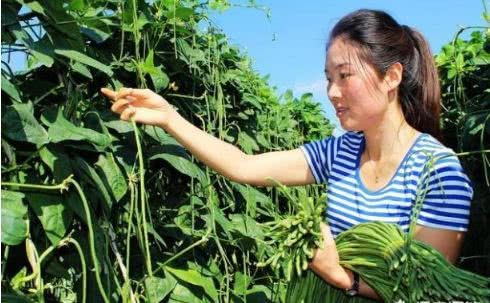
Timing for planting autumn yardlong beans must be grasped well; the sowing window has now passed.
Judging from the current timing for planting autumn yardlong beans, it is already somewhat late in the northern regions. We are about to enter the Autumn Equinox period, the weather is getting colder and colder, and there are fewer and fewer vegetables that can be grown outdoors in the northern regions. Autumn yardlong beans cur...
-

What to Do About Potassium Deficiency in Broad Beans? Cause Analysis and Solutions
Causes and Solutions for Potassium Deficiency in Broad Beans
-

How to fertilize broad beans for high yield? Detailed technical points
High-yield fertilization techniques for broad beans
-
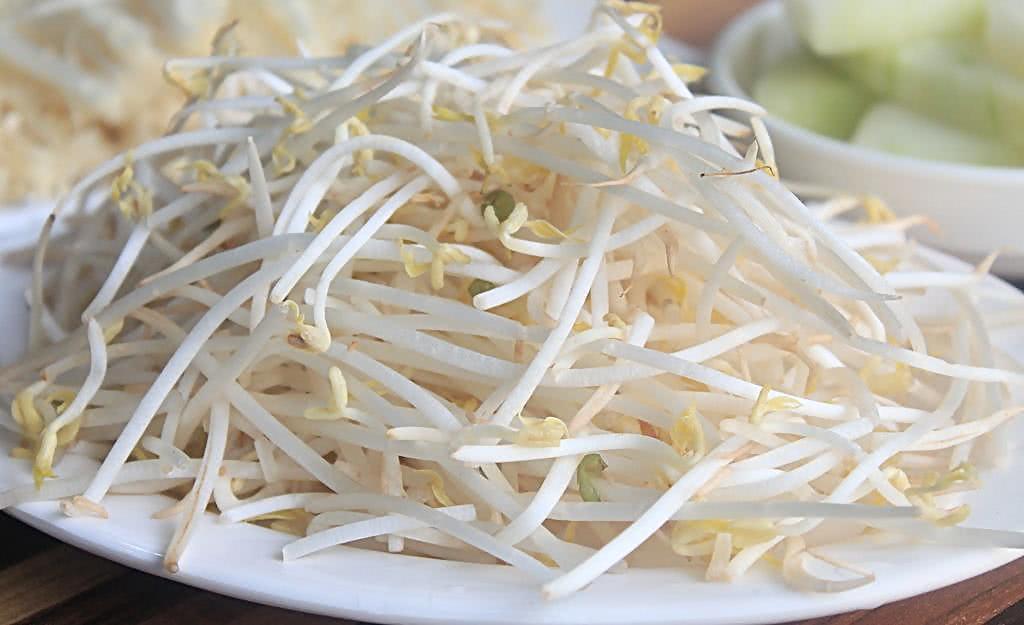
Sprinkle a little water on beans and they grow into bean sprouts in 3 days, a delicious addition to stir-fries
When the weather turns cool, a bowl of hot mixed whole grain porridge can bring comfort to the whole morning. Our bodies cannot do without whole grains, and eating more whole grains is very good for us. The one thing a whole grain porridge cannot do without is beans...
-
What to Do About Spindly Overgrowth in Greenhouse Beans? Detailed Analysis of Causes and Control Methods
The causes of spindly overgrowth in summer vegetables differ at each stage. Practice has proven that greenhouse beans are most prone to spindly overgrowth during the summer, and the main causes can be grouped into two major categories: 1. Seedling-stage overgrowth. The main cause of spindly overgrowth in seedlings is excessively high temperature, especially when nighttime temperatures are too high and respiration consumes too much...
-
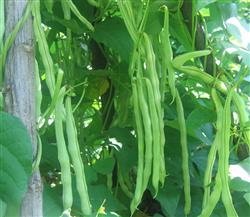
How to grow and manage yardlong beans so they set more pods
Many vegetable growers know that yardlong beans are hard to manage: they tend to grow leggy and set pods poorly, and flower and pod drop even happens from time to time. So what exactly causes the difficulty in setting pods? 1. Planting density must be reasonable. The best seedling age for transplanting yardlong beans is when the young leaves of the heart just unfold. A reasonable row spacing for yardlong beans is generally 60 cm for the narrow row...
-
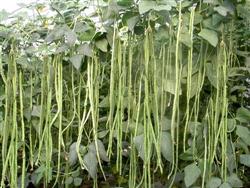
Detailed Explanation of Key Points for High-Yield Cultivation Techniques of Yardlong Beans
Yardlong beans are also called cowpeas, and their habits and cultivation techniques are similar to those of common beans. Although yardlong beans have root nodule bacteria that can fix nitrogen, they are harvested for their tender pods and tender seeds, so nitrogen supply is indispensable, especially in the early stage. Nitrogen:phosphorus:potassium = 1:0.6:1.3. The trace element molybdenum can promote vigorous development of root nodules. Legumes are also very sensitive to trace elements such as boron and zinc, so on the basis of reasonable application of N, P, and K fertilizers, spraying boron fertilizer, molybdenum fertilizer, and zinc fertilizer has a certain effect on increasing the pod-setting rate of legumes, promoting full seeds, and improving yield. Below is a discussion of high-yield cultivation techniques for yardlong beans. Because the root system has aerobic root nodule bacteria, this is also one of the reasons why common beans can tolerate short-term soil drought and have poor moisture tolerance.
-
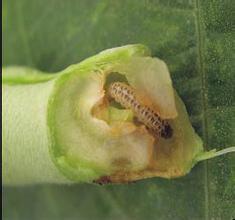
Detailed Explanation of Chemical Regulation Techniques for Beans in Greenhouses
Spraying should adhere to the principle of primarily treating the buds, spraying to kill the larvae in the flower buds during the flowering period. The best time to spray is from 8-10 AM on a sunny day when the flower buds are open. After the flowers fade, when the pods are about 10 cm long, spray once to kill newly hatched larvae and young larvae that have bored into the young pods. For the pesticide, you can choose Kongfu 1500x dilution, or abamectin 150...
-
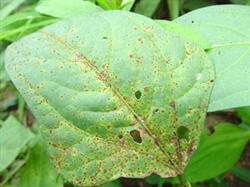
How to prevent and control diseases of yardlong beans? A detailed guide to practical methods
I. Main symptoms The yardlong bean can be infected by pathogens throughout its entire growing season, but its resistance weakens and susceptibility increases from the beginning of flowering to the fruiting period. The disease mainly attacks the leaves; in the early stage of the disease, chlorotic yellow-white spots appear on the leaves, and the spots gradually increase until they densely cover the entire leaf. The plant is short and stunted, with few and small pods, and its growth...
条件筛选