-
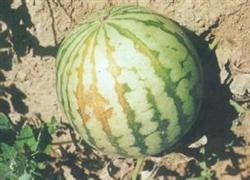
Symptom Identification and Spring Control of Watermelon Fruit Flesh Deterioration
Symptoms: When watermelon fruits are exposed to the scorching sun, the fruit surface temperature becomes very high, and the fruit tissue is scorched and necrosed, forming a dry scar. Cause: Sunburn is related to variety; varieties with dark rind color are prone to it. Secondly, in hilly areas where the soil is relatively poor, the plants have weak vegetative growth and few vines and leaves, and the disease occurs frequently when the fruits are exposed...
-
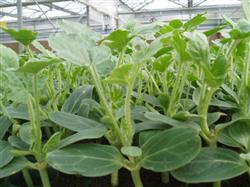
Detailed Explanation of Key Techniques for Spring Watermelon Cultivation
1. Site selection and disinfection: Choose a plot with higher terrain and good drainage as the seedbed. Add 200 grams of "waxy Bacillus" per cubic meter of nutrient soil for soil disinfection. 2. Preventing uneven emergence: When emergence is uneven or there are no signs of emergence, check the seeds in the seedbed. If the tips of the seed radicles are yellow and rotten, it means...
-
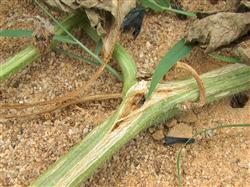
What are the control methods for watermelon fruit hardening in spring
In recent years, protected cultivation of watermelon has developed rapidly in the Jiangsu area. Due to the many rainy days during the growing period, favorable conditions have been provided for the occurrence of watermelon gummy stem blight, and the disease has worsened year by year. Watermelon gummy stem blight mainly damages the stems and vines, and also damages leaves and fruits. When the vines are affected, the disease mostly occurs at the stem nodes near the ground, first appearing as dark green...
-
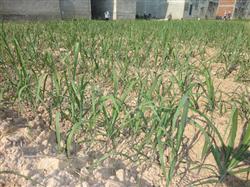
Detailed Explanation of the Cultivation Technique of Interplanting Spring Peanuts with Sugarcane
Sugarcane originated in tropical and subtropical regions and was formerly limited to cultivation south of the Yangtze River. In recent years, through the unremitting efforts of scientific and technological workers, the sugarcane planting area in the Huang-Huai River basin has expanded year by year. During the planting process, the sugarcane stem cannot be used for high-temperature bud cultivation; if stems are used for bud cultivation, sugarcane cultivation will not succeed. To...
-
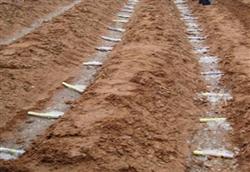
How to cultivate water-saving sugarcane in winter and spring
Paddy field sugarcane is one of the important types of sugarcane cultivation in Yunnan. In many sugarcane-growing areas of our province, soil erosion is severe, and the construction of farmland water conservancy facilities is relatively lagging. In addition, the winter and spring seasons are dry with little rain, and paddy fields lack water. Apart from some fields that can plant sugarcane according to the seasonal requirements, most water-deficient fields are planted relatively late, from the end of April to...
-
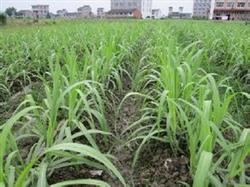
Key Sugarcane Spring Management Techniques and Precautions
Use phosphate fertilizer: Fully crush the phosphate fertilizer, thoroughly mix it with garbage fertilizer and farmyard manure, and compost the mixture before applying. In recent years, many sugarcane growers have directly scattered phosphate fertilizer into the furrows; with this practice, the utilization rate of phosphate fertilizer is less than 10%, and more than 90% is fixed by the soil into ineffective phosphate and wasted. Suggestion: per mu, use 30-50 kg of phosphate fertilizer, fully crushed...
-
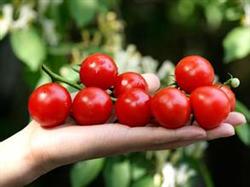
Key Technical Points for Early Spring Cultivation of Fresh-Eating Cherry Tomatoes
Cherry tomato, originally from Taiwan, China, is a type of cherry tomato grown mainly for fresh fruit consumption, commonly known as cherry tomato. For early spring cultivation, a 6 m span plastic greenhouse can be used, with seedlings raised in mid-November, transplanting in February of the following year, and fresh fruit harvest in early May, yielding 6000 kg of fresh fruit per mu. 1. Seed treatment....
-
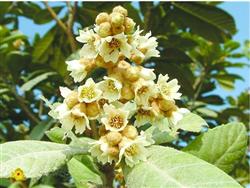
How to manage loquat trees after they finish flowering in early spring
1. Apply fruit-setting fertilizer. When the young fruit appears after the loquat has finished flowering, apply fruit-setting fertilizer, mainly a quick-acting, fast-dissolving complete nitrogen-phosphorus-potassium fertilizer. For bearing trees over five years old, apply 1.5-2 kg of nitrogen-phosphorus-potassium compound fertilizer per tree, or 40-50 kg of decomposed and rotted human and livestock manure water. 2. Prevent and control pests and diseases. When the young fruit appears after the loquat has finished flowering, ...
-
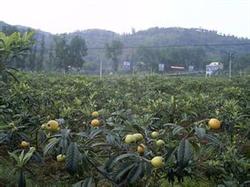
What are the key points of loquat cultivation techniques in spring and summer in southern China?
Loquat cultivation management in spring and summer in southern China is very important, and has a great impact on the level of loquat yield and the quality. Only by conscientiously grasping loquat cultivation management, doing well in fertilization, pest and disease control, flower and fruit thinning, and fruit bagging and other management techniques, can the loquats produced not only have high yield, good quality and low pesticide residues, as far as...
-
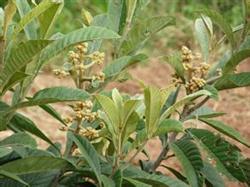
For mature loquat trees, apply spring shoot fertilizer in time in spring
Loquat trees prefer a warm and humid climate, bloom in autumn and winter, and their fruit ripens in late spring and early summer. Since last autumn, various parts of Guangdong have experienced drought with little rain. Fruit growers should actively water and fertilize loquat trees, especially mature trees, which should be given spring shoot fertilizer in time to strive for a bumper harvest this year. 1. Fertilizing young trees (1-3 years) Loquat young trees...
条件筛选