Symptom Identification and Spring Control of Watermelon Fruit Flesh Deterioration
Symptoms: When watermelon fruits are exposed to the scorching sun, the fruit surface temperature becomes very high, and the fruit tissue is scorched and necrosed, forming a dry scar. Cause: Sunburn is related to variety; varieties with dark rind color are prone to it. Secondly, in hilly areas where the soil is relatively poor, the plants have weak vegetative growth and few vines and leaves, and the disease occurs frequently when the fruits are exposed...
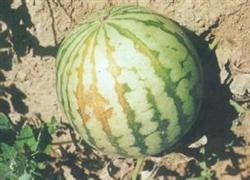 Symptoms: On a fully mature fruit, the appearance is the same as a normal fruit, but when tapped it gives a "dang dang" sound like knocking on wood, different from a ripe melon or an unripe melon. When cut open, the flesh is found to be purplish red, water-soaked, hardened, and semi-transparent, and a vinous odor can be smelled at the same time. It completely loses its edible value.
Cause: Some researchers in Japan believe that 20 days after flowering, sudden changes in soil moisture, high temperatures, and insufficient leaf area all easily trigger this disease. The reason is that sudden changes in soil moisture reduce root activity; also, certain factors cause damage to the leaves, and combined with high temperatures, ethylene is produced in the flesh, causing abnormal respiration and deteriorating the flesh quality. In addition, when plants are infected with Cucumber green mottle mosaic virus after fruit set, it can also cause abnormal respiration in the fruit and lead to flesh deterioration.
Control measures: Preventive measures are deep plowing, applying more farmyard manure, and maintaining good aeration; deep furrows and high beds to strengthen drainage and maintain appropriate soil moisture; appropriate pruning, avoiding excessive pruning that inhibits root growth; when leaf area is insufficient or fruits are exposed, cover with grass for shade; prevent the spread of viral diseases. In addition to spraying insecticides in the melon field to cut off virus transmission, also pay attention to nearby virus source plants and control them in time.