Detailed Explanation of Key Techniques for Spring Watermelon Cultivation
1. Site selection and disinfection: Choose a plot with higher terrain and good drainage as the seedbed. Add 200 grams of "waxy Bacillus" per cubic meter of nutrient soil for soil disinfection. 2. Preventing uneven emergence: When emergence is uneven or there are no signs of emergence, check the seeds in the seedbed. If the tips of the seed radicles are yellow and rotten, it means...
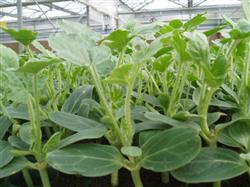 Select excellent varieties. Variety selection should be appropriate, mainly based on watermelon varieties cultivated over the years, choosing the one with the strongest adaptability to local climate, soil and fertilizer, the highest yield and the best quality as the main watermelon variety for cultivation.
1. Sow at the right time. Cultivate sturdy watermelon seedlings. The key to cultivating sturdy seedlings is sowing at the right time. Before sowing, mix seeds with New High-Lipid Film (can be mixed with seed coating agents), which can repel underground pests and diseases, isolate virus infection, does not affect the germination and imbibition function, strengthens respiration intensity, and improves the seed germination rate. Use hotbeds with agricultural film arched sheds for seedling cultivation. In the middle and late stages of seedling cultivation, expose more and cover less, expose during the day and cover at night. 3-5 days before transplanting, the film can be removed all day for hardening off seedlings, which is beneficial for cultivating healthy and sturdy watermelon seedlings.
2. Apply sufficient base fertilizer. Watermelon has a relatively large fertilizer requirement, so applying sufficient high-quality base fertilizer is the foundation for obtaining high-quality, stable and high-yield watermelons. Each mu requires 1500-2000 kg of decomposed fertilizer, plus 25-30 kg of compound fertilizer (watermelon-specific compound fertilizer is better). The fertilization method can be changed from the previous single-trench fertilization to double-trench fertilization, that is, on both sides of the middle of the bed surface at a distance of 30-40 cm, open a trench 20-30 cm deep and wide respectively, then apply fertilizer into the two trenches, cover with about 5 cm of soil on top, and plant watermelon seedlings in the middle of the two fertilizer trenches. The benefits of this fertilization method are: it does not burn seedlings, and also prevents excessive vegetative growth. Spray Flower Promoter No. 3 at the right time, which can transform plant vegetative growth into reproductive nutrition, inhibit excessive growth of the main shoot, promote flower bud differentiation, produce more flowers, improve pollen fertilization quality, produce more flowers and set more fruit, prevent fruit drop, and promote development.
3. Scientific topdressing. On the premise of applying sufficient base fertilizer, during the vine extension stage only one topdressing of 200 kg of human manure and urine plus 3 kg of urea is needed. Because during the flowering and fruit-setting stage, watermelon is very sensitive to water and fertilizer. If water and fertilizer are excessive at this time, the plant will have excess nutrition, which easily causes excessive vegetative growth and is an obstacle to stable fruit setting. Therefore, when the young fruit is as big as an egg, appropriate topdressing can be applied. Combined with spraying Strong Melon Pedicel Spirit, it can thicken the melon pedicel, strengthen the directional transport of nutrients, promote rapid development of the melon body, make the melon shape beautiful and more delicious; during the growth cycle, there will be no flower drop, no melon drop, no cracked melons, and no deformed melons. When the watermelon sets fruit and expands, the root system has just extended to the two fertilization trenches, with sufficient nutrients, which is conducive to rapidly growing large melons with standard melon shape.
4. Pest and disease control. Damping-off, Fusarium wilt and anthracnose are the three main diseases of watermelon. During the seedling stage, control damping-off, and pay attention to good ventilation in the seedbed and control watering. Control methods for Fusarium wilt and anthracnose: avoid continuous cropping, generally with an interval of 4-5 years, do a good job of clearing trenches and draining water, and promptly pull out diseased plants when found. Chemical control: spray with 75% chlorothalonil wettable powder, or 70% dexon, or 20% Shibaoling, or Bordeaux mixture, all with very good control effects. The main watermelon pests are: yellow squash beetle, cutworm, aphids and red spiders during the seedling stage. Chemical control methods are: use dichlorvos, dimethoate, trichlorfon and carbofuran for control respectively, all with relatively good effects.