How to manage loquat trees after they finish flowering in early spring
1. Apply fruit-setting fertilizer. When the young fruit appears after the loquat has finished flowering, apply fruit-setting fertilizer, mainly a quick-acting, fast-dissolving complete nitrogen-phosphorus-potassium fertilizer. For bearing trees over five years old, apply 1.5-2 kg of nitrogen-phosphorus-potassium compound fertilizer per tree, or 40-50 kg of decomposed and rotted human and livestock manure water. 2. Prevent and control pests and diseases. When the young fruit appears after the loquat has finished flowering, ...
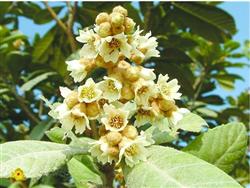
I. Apply fruit-setting fertilizer. When the young fruit appears after the loquat has finished flowering, apply fruit-setting fertilizer, mainly a quick-acting, fast-dissolving complete nitrogen-phosphorus-potassium fertilizer. For bearing trees over five years old, apply 1.5-2 kg of nitrogen-phosphorus-potassium compound fertilizer per tree, or 40-50 kg of decomposed and rotted human and livestock manure water.
II. Prevent and control pests and diseases. When the young fruit appears after the loquat has finished flowering, spray the leaf surfaces inside and outside the canopy once with a mixture of 1000x Lorsban and 800x Thiophanate-methyl to eliminate the various pests and diseases harming the young fruit.
III. Foliar topdressing. When the young fruit appears after the loquat has finished flowering, in combination with pest and disease control, add 1000x fruit-drop-preventing hormone, 0.1% urea, 0.2% monopotassium phosphate, 1000x triacontanol, and 1500x Shennongsu chelated fertilizer mixture to the spray solution and spray together, to reduce young fruit drop, promote young fruit development, and increase the fruit-setting rate.
IV. Mound soil and mulch. After applying the fruit-setting fertilizer, apply decomposed and rotted garbage fertilizer, pond mud, burnt soil, or other mixed soil manure as a mound under the canopy, 80 kg per tree, about 8-10 cm thick, then cover the tree disk with dry straw or other weeds, with a grass thickness of 5-6 cm, to thicken the topsoil layer, enrich the soil, stabilize and raise the soil temperature, reduce water loss, keep the soil moist, and protect the roots.