-
-
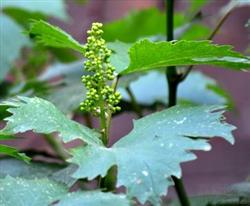
Detailed Explanation of Key Grape Spring Management Techniques
Spring is the season when grapes bud and unfold leaves, canes extend, and they send out clusters and bloom and set fruit. How to strengthen spring grape management and improve grape yield and quality is a matter of widespread concern among fruit growers. The following focuses on the main management work for grapes from February to April. 1. Late February to early March, budding stage: irrigate to promote bud break,...
-
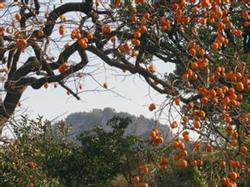
Winter Pruning Techniques for Spring Branches of Persimmon Trees
Methods to Improve Persimmon Tree Yield and Quality: 1. The prospects of the persimmon industry. In recent years, most Fuping persimmons (not pressed into cakes) have been purchased and exported by Japanese and South Korean buyers at a price of over ten yuan per kilogram. Meanwhile, several large supermarkets in Xi'an have long been selling Guangxi dried persimmons, with a retail price of under 10 yuan per (0.5 kg). This shows...
-
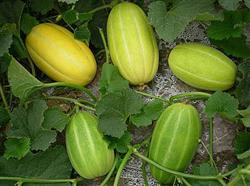
Key Technical Points for Open-Field Cultivation of Melons in Spring
Open-field melon cultivation in spring has low input costs and is easy to manage, making it one of the best choices for farmers to increase income and get rich in the short term. Optional varieties include Xiangmi 900, the Shabai series, and others. 1. Seed soaking: After selecting good varieties, the seeds can be appropriately sun-dried in fine weather and then screened. For warm-water seed soaking, soak in 55-degree water for 1 minute, then cool to 25 degrees, remove after 6 hours and let them dry slightly, then promote germination (keep the germination temperature at around 28 degrees). When the seeds sprout and turn white, sow them promptly.
-
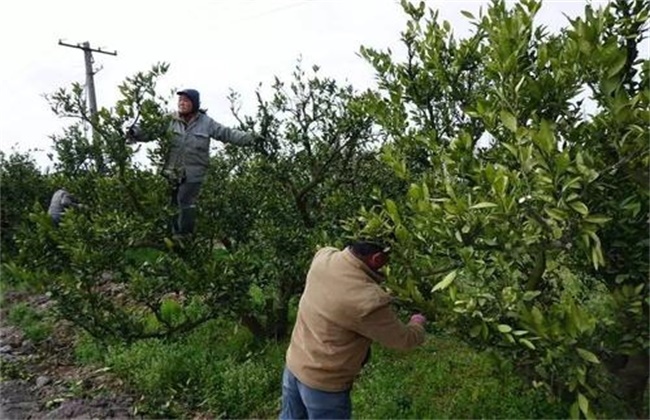
How to manage young citrus trees in spring? These practical tips you need to master
Spring management tips for young citrus trees
-
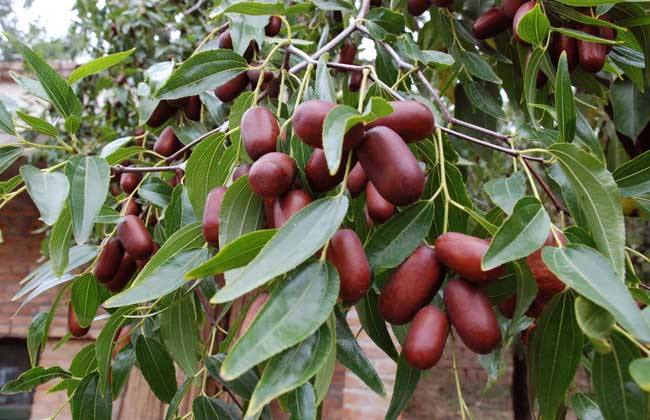
These technical key points must be mastered for spring management of jujube trees
Spring management techniques for jujube trees
-

What are the key technical points for spring management of kiwifruit?
How to manage kiwifruit in spring
-

Detailed Explanation of Key Points for Spring Planting Techniques of Almonds
I. Cultivating Superior Seedlings. For almond rootstock, the own-root stock or peach rootstock is preferable; grafting onto apricot rootstock shows slow growth, poor healing, and stunted development, so it should not be used. Practice has proven that using almond as rootstock gives a high survival rate, good healing, high yield, and long lifespan, but slower growth. Using peach as rootstock (mountain peach or wild peach) gives a high survival rate and fast growth, but after healing the rootstock and scion diameters are inconsistent, and the lifespan is shorter (about 20 years). The seedling-raising method is basically the same as the technique for producing mature seedlings of common peach in the same year. Choose fertile, well-drained sandy
-
How to manage greenhouse apricots in spring? Focus on management to promote development
For apricot trees in a winter-warm greenhouse, the fruit development period runs from mid-February to the end of April, and this period is divided into three main development stages. The first stage is the first rapid growth period of the apricot tree and the new shoot growth period, lasting 28-34 days; the second stage is the pit-hardening period, lasting 8-12 days; the third stage is the second rapid growth period of the apricot fruit and the new shoot growth period, lasting 20-30 days. Management work for the first stage: after flowering, apply 0.5 kg of nitrogen fertilizer and 1 kg of phosphorus fertilizer per tree, and within two weeks after flowering spray 0.3% urea once every 7 days. After leaf expansion, spray Yibianjing or Yashijing
-
Key management points for cold-frame peaches in the Beijing-Tianjin region around the Spring Festival
1. Frame-covering period. Because cold-frame peaches have no cold-protection facilities and rely solely on sunlight for warming and the frame film for insulation, the day-night temperature difference is large. The frame-covering period should preferably be around February 20, so that the flowering period is March 25-31 and the peach ripening period is early June, 10-15 days earlier than open-field peaches. For heated cold-frame peach sheds, install 1 heater per 350-450 sq m at the center of the cold frame, burning wood or coal; the gas is discharged outside the frame through the chimney in the middle of the stove, and the air is preheated through the stove's interlayer and then
条件筛选