-
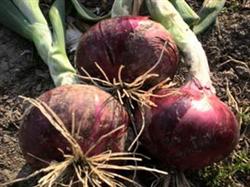
Early control methods for four onion diseases
The main onion diseases are downy mildew, gray mold, rust and soft rot, and they should be controlled early. Downy mildew and gray mold Downy mildew mainly damages the outer leaves and flower stalks of onions. The suitable temperature for the disease is 10-20°C, and it can occur from April to May or from November to December. At the beginning of the disease, affected plants show oblong or band-shaped sunken lesions on the outer leaves...
-
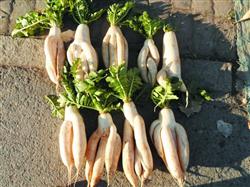
How to avoid forked radishes? These prevention methods you need to master
1. Soil and cultivation aspects: The soil is plowed too shallow, and the subsoil is too hard. At the same time, during deep plowing, hard objects such as stones, tree roots, tiles, and plastic are not removed. With the subsoil too hard and hard objects obstructing it, the main root is inevitably hindered, which promotes the development of lateral roots. Once the substances produced by photosynthesis accumulate, the main root and lateral roots...
-
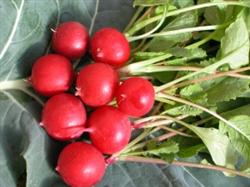
Correct Methods and Precautions for Spraying Paclobutrazol on Radishes
Cherry radish is a small type of radish with tender flesh, rapid growth, and attractive color. It can be eaten in many ways, including raw, stir-fried, pickled, and as a side dish. It is both a vegetable and a fruit, and is not only well received by resident consumers but also meets the special supply needs of hotels and restaurants, becoming a table...
-
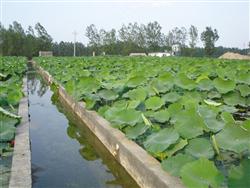
Six Common Lotus Root Diseases and Their Control Methods
I. Main Disease Types June and July are the peak growing period for lotus roots and also the peak period for various diseases, so doing a good job of disease control is key. As an instructor in the agricultural science and technology system, I propose lotus root disease control techniques to guide demonstrators and lotus root farmers in production. 1. Lotus root rot, also known as black root disease, lotus root...
-
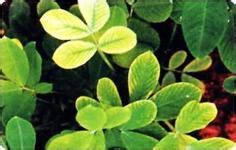
Symptom Identification and Control Methods for Peanut Web Blotch
I. Causes of Iron Deficiency in Peanuts Peanut is one of the crops that is relatively sensitive to iron. Although iron is not a component of chlorophyll, it is an indispensable condition for chlorophyll synthesis, a component of cytochrome oxidase and peroxidase related to respiration, and participates in the oxidation-reduction processes within the plant. It is...
-
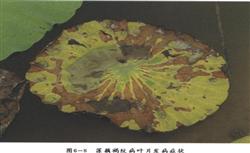
Detailed Guide to Identifying and Controlling Lotus Root Brown Streak Disease Symptoms and Control Methods
Lotus root brown streak disease is widely distributed and occurs in all regions, but it only harms lotus root. 1. Pathogen: This disease is caused by infection with fungi of the genus Alternaria in the Deuteromycotina. The pathogen overwinters in lotus fields as mycelium and chlamydospores with diseased plant residues, and produces conidia under high temperature and high humidity, spreading by wind and rain. 2. Symptoms...
-
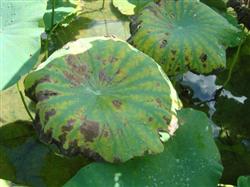
Occurrence Patterns and Control Methods of Lotus Root Brown Spot Disease
Brown spot disease is a major disease of lotus root, widely distributed, and can occur in spring, summer, and autumn. Generally, diseased plants account for 30%-50%, and in severe cases, the incidence rate can reach over 80%, significantly affecting lotus root yield and quality. 1. Symptoms This disease mainly affects the leaves and leaf stalks of lotus root. In the early stage of leaf infection, small brownish-green...
-
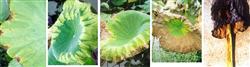
A Detailed Guide to the Techniques and Methods of Using Lotus Root Terminal Buds as Seed
In recent years, some farmers in China have converted some low-lying fields to growing lotus root, which has a higher output value. According to surveys, lotus blight (also known as rot disease) occurs in some lotus fields and is the main disease of lotus root. Generally, diseased fields suffer a 20% reduction in yield, and in severe cases 60%-80%. 1. Damage symptoms: Lotus blight mainly damages the underground stem, causing it to turn brown and rot, first...
-

How to fertilize kidney beans? Detailed explanation of scientific fertilization methods
How to fertilize kidney beans
-
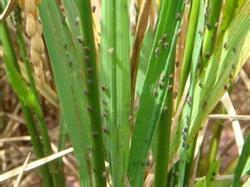
Detailed Explanation of Rice Pest and Disease Identification and Control Methods (Part 2)
The brown planthopper, also known as the brown rice planthopper, is commonly called roundworm, soft-shell roundworm, spindle worm, or midge. Scientific name Nilaparvata lugens (Stal), order Homoptera, family Delphacidae. The brown planthopper is one of the main pests on rice in China, causing damage in all major rice-growing regions across the north and south of the country. Every year it occurs and causes damage mixed with the white-backed planthopper, and the two planthoppers do not...
条件筛选