-

When Is the Best Time to Plant Garlic? Detailed Guide to Planting Time and Methods
Garlic Planting Time and Methods
-
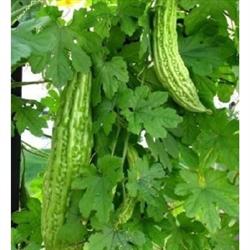
A Complete Guide to Scientific Fertilization Methods for Bitter Melon
High-yield and High-profit Cultivation Techniques for Bitter Melon in Winter-warm Plastic Greenhouses as Protected Cultivation: Choose a winter-warm greenhouse with good lighting and strong insulation as the horticultural facility for off-season bitter melon cultivation. Compared with cucumber, loofah, and zucchini, bitter melon requires relatively higher light intensity and higher temperatures for growth and development, and has poorer tolerance to low temperatures and weak light. Bitter melon...
-
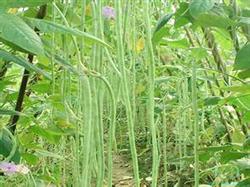
Methods for High-Yield Cowpeas: Scientific Planting and Management Are Key
1. Cowpeas can be direct-sown or raised as seedlings and transplanted; generally, seedling raising and transplanting is practiced, as it can appropriately suppress vegetative growth and promote reproductive growth. Choose good land, apply base fertilizer, water appropriately, use disease-resistant seeds, and treat the seeds with New High Lipid Film. This can repel underground pests and diseases, isolate viral infections, and does not affect germination...
-
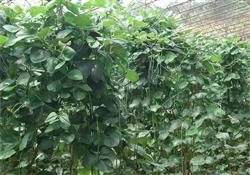
What to Do About Spindly Overgrowth in Greenhouse Beans? Detailed Analysis of Causes and Control Methods
The causes of spindly overgrowth in summer vegetables differ at each stage. Practice has proven that greenhouse beans are most prone to spindly overgrowth during the summer, and the main causes can be grouped into two major categories: 1. Seedling-stage overgrowth. The main cause of spindly overgrowth in seedlings is excessively high temperature, especially when nighttime temperatures are too high and respiration consumes too much...
-
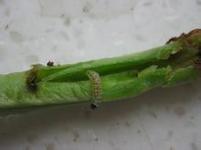
What are the control methods for the bean pod borer?
The bean pod borer, also called the cowpea pod borer, is one of the main pests of beans. The adult cowpea pod borer is dispersed and hidden, flies over a wide range to lay eggs, and lays many eggs, so it is not easy to kill or trap by spraying. Adults lay eggs on the tender leaves of the plant, and after about 5--7 days they hatch and bore into the pods to feed on the beans. Larvae over 3rd instar bore into the pods, and spraying...
-
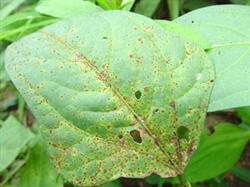
How to prevent and control diseases of yardlong beans? A detailed guide to practical methods
I. Main symptoms The yardlong bean can be infected by pathogens throughout its entire growing season, but its resistance weakens and susceptibility increases from the beginning of flowering to the fruiting period. The disease mainly attacks the leaves; in the early stage of the disease, chlorotic yellow-white spots appear on the leaves, and the spots gradually increase until they densely cover the entire leaf. The plant is short and stunted, with few and small pods, and its growth...
-
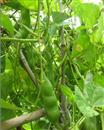
Sowing Methods and Key Cultivation Techniques for Oil Beans (Phaseolus vulgaris)
Select early-maturing, mid-maturing and late-maturing varieties with excellent seed quality and high yield. The main varieties include Purple Flower Oil Bean, Diyoudou Wang, Large Horse Hoof Oil Bean, Peanut Oil Bean, August Green, Early-Maturing Ground Oil Bean, Late Oil Bean, etc. 1. Sowing methods (1) Seedling raising: For early spring greenhouse cultivation, nutrient pot seedling raising in a greenhouse should be adopted, with seedling raising...
-
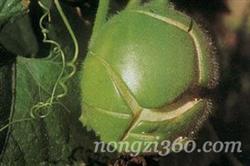
What to Do About Split Winter Melon? Detailed Explanation of Causes and Prevention Methods
When winter melon splits, it not only affects the appearance but also affects the quality and reduces its commercial value. In addition, split melons can also allow pathogens to invade the melon and multiply, causing localized deterioration or rot of the winter melon and affecting storage and transportation. Choose crack-resistant varieties. In rainy areas or rainy seasons, use deep furrows with high beds or ridge cultivation with trellising...
-

Detailed Explanation of the Planting Methods and Key Technical Points for Gnaphalium affine
Planting Methods for Gnaphalium affine
-
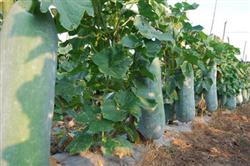
How to fertilize winter melon effectively? A detailed guide to practical methods
Fertilization principles: Winter melon grows best in slightly sandy soil rich in organic matter. It tolerates heavy feeding but not poor, barren soil, and it has comprehensive requirements for nutrients such as nitrogen, phosphorus, potassium and calcium. Basal fertilizer should be applied heavily, with reasonable supplementary fertilization. Nutrient uptake is low at the seedling stage, greater at the bolting stage, and during flowering and fruiting, especially in the early and middle stages of fruit development, uptake is...
条件筛选