Correct Methods and Precautions for Spraying Paclobutrazol on Radishes
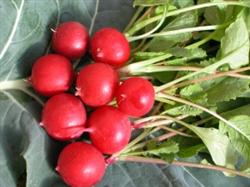
Cherry radish is a small type of radish with tender flesh, rapid growth, and attractive color. It can be eaten in many ways, including raw, stir-fried, pickled, and as a side dish. It is both a vegetable and a fruit, and is not only well received by resident consumers but also meets the special supply needs of hotels and restaurants, becoming a table...
 1. Spraying period: 15~20 days after sowing radishes, spraying is suitable when the plants have 3~5 leaves.
2. Solution concentration: The spraying concentration is prepared by mixing 15 grams of 15% paclobutrazol per mu with 50 kg of water.
3. Spraying method: Use a knapsack compression sprayer to evenly spray the radish leaves. If it rains after spraying, spray again.
4. Number of applications: Generally, fields only need one application. For fields with a high fertilization level and excessively vigorous plant growth, spray a second solution 7~10 days after the first application.
5. Precautions: (1) Spray before 4 p.m. on a sunny day with no rain; (2) The dosage must be accurate, the water volume sufficient, and the application even, with no missed spraying or repeated spraying; (3) Paclobutrazol should not be applied to radish fields that were sown too late or where growth is poor; (4) If improper application inhibits plant nutrition, gibberellin (920) can be sprayed to alleviate it; (5) In fields sprayed with paclobutrazol, after the radish fleshy roots emerge, use a mixed solution of 0.2% potassium dihydrogen phosphate and 0.02% borax, spraying once every 7~10 days for 2 consecutive sprays. This is even more effective for preventing radish pithiness, improving quality, and increasing yield.