-
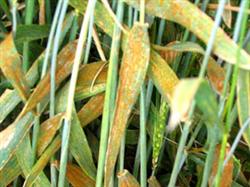
What Does Wheat Rust Look Like? Symptoms and Identification Methods
What does wheat rust look like? Wheat rust is also called jaundice. It is divided into 3 types: stripe rust, leaf rust, and stem rust. It is the most widespread and most damaging class of disease on wheat. After wheat is infected with rust, chlorotic spots first appear on the surface of the wheat leaves or stems, and later yellow or reddish-brown powder pustules grow out, namely the pathogen's uredinia...
-
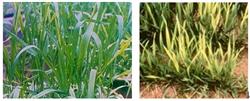
What are the control methods for waterlogging damage in wheat?
Boron deficiency symptoms in wheat generally appear first in new growth, showing as terminal buds that easily die back, a long flowering duration, sometimes heading and tillering at the same time, and a prolonged growth period; stamens are poorly developed, anthers are thin and small, empty and not dehiscing, not shedding pollen, pollen is scarce or malformed, the ovary swells horizontally, the glumes do not close front and back, and later wither;...
-
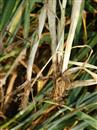
What are the integrated control methods for wheat take-all disease?
Wheat take-all is a typical root disease, capable of infecting wheat from sowing through to harvest. The main sites of infection are the wheat roots and the 1st to 2nd nodes of the stem base. After infection by the pathogen, the roots turn black and rot, losing their ability to absorb water and nutrients, which causes the above-ground parts to dry up and die, resulting in white heads. 1. ...
-

How to germinate peanut seeds? A detailed guide to pre-sowing treatment methods
Peanut germination methods
-
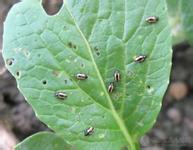
What are the control methods for striped flea beetles on rapeseed?
In recent years, the striped flea beetle has become another major insect pest during the seedling stage of rapeseed in Hongta District. The striped flea beetle is commonly known as the cabbage flea and the soil flea, and its larva is called the white maggot. This insect not only flies but also jumps well, making it difficult to catch on the leaves. When disturbed, it jumps to the ground or to the field-edge ditch, and then quickly flies back onto the leaves to feed. It often gathers in groups on the undersides of leaves to feed,...
-
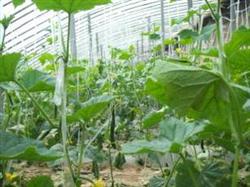
Integrated Pest and Disease Control Methods for Greenhouse Cucumbers in Spring
I. Common Diseases in Spring 1. Downy mildew (1) Occurrence characteristics: persistent (long-term companion), devastating (rapid spread, outbreaks). (2) Occurrence conditions: High humidity: relative humidity above 83% favors disease development, (water droplets or water film on leaf surface), spore germination and invasion. Optimum temperature: 15-20°C. Nutritional status...
-
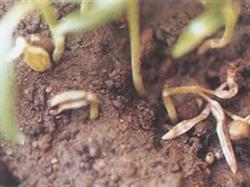
What are the control methods for damping-off in water spinach?
Symptoms After the seeds germinate, infection before emergence mostly causes seed rot; after emergence, infection appears near the soil surface as water-soaked areas that soften and develop basal rot. The diseased part constricts, rapidly spreads around the stem, the seedlings topple, and the whole plant quickly dies, causing patches of dead seedlings. Disease conditions The optimum growth temperature is 15-16°C, and the optimum soil temperature for disease development is...
-
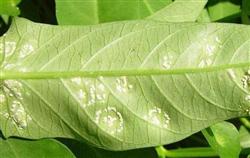
What to Do When Water Spinach Gets White Rust? A Detailed Guide to Prevention and Control Methods
First, implement a 2-to-3-year crop rotation with other vegetable varieties. Second, before sowing, dress the seeds for sterilization at a ratio of 300 g of 35% metalaxyl per 100 kg of seeds; third, in the early stage of the disease, spray with 50% copper metalaxyl wettable powder at 6000 to 7000 times dilution, or with 72.2% propamocarb aqueous solution at 8000 times dilution, applying once every 7 to 10 days...
-
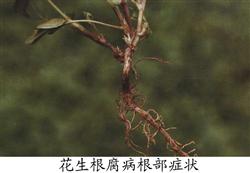
What are the control methods for peanut root rot?
There are broadly two causes of peanut root rot: one is waterlogging, and the other is root rot disease. Control should begin with draining away the standing water and keeping the ditches clear. Before sowing peanuts, treat the seed with a 10% Shileshi seed coating, and after the disease appears, drench the roots with a 1000-fold dilution of Lüheng No. 1 or No. 2; foliar spraying is ineffective. Practise crop rotation: in lightly affected fields, rotate every other year, and in severely affected fields, rotate for 3 to 5 years. Deep ploughing to improve the soil, applying more organic fertiliser, and rational irrigation and drainage will strengthen disease resistance.
-
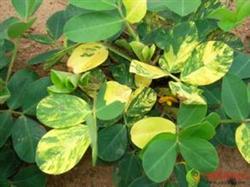
What are the control methods for peanut viral diseases?
Peanut disease is one of the major diseases of peanut, seriously affecting the yield and quality of peanut, and it is especially severe in the production areas of northern China. For peanut viral diseases, except for bud blight, which is mainly transmitted by thrips, other diseases such as mild mottle disease, yellow mosaic disease, and common mosaic disease are transmitted through seeds and aphids, and seed-borne infected tubers...
条件筛选