-
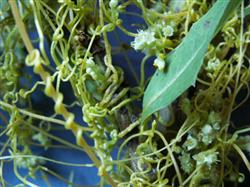
Control Methods for Three Major Soybean Diseases
What does soybean dodder look like? What should you do if soybean dodder appears? Dodder, also called yellow silk vine or tangled silk vine, is a malignant weed. It harms many crops, can cause total loss of soybean yield, and occurs commonly in various regions. (1) Morphology: The stem of soybean dodder is yellow, orange-yellow, or yellow-green, smooth and hairless,...
-

What are the causes of stiff seedlings in rapeseed and the control methods?
Causes of stiff seedlings in rapeseed and control methods
-
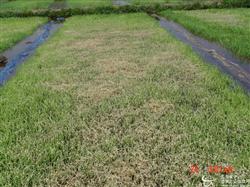
Diagnosis and Control Methods of Rice Seedling Rot: A Detailed Guide
Rice seedling rot is a general term for seed rot, bud rot and seedling death in rice caused by pathogen infection or non-pathogenic factors. It can be divided into two categories: infectious and non-infectious (physiological). Non-infectious seedling rot is mainly caused by adverse environmental conditions; infectious seedling rot refers to that caused by adverse environmental conditions inducing infection by Pythium, Achlya, Fusarium and other pathogens...
-
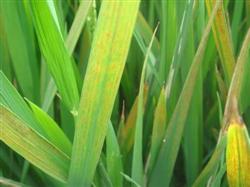
Key Points and Correct Operation Methods of Rice Seed Soaking Technology
Rice premature aging refers to the premature senescence of leaves during the heading to maturity stage of rice, with leaf color turning brown, dirty-white dead areas appearing at leaf tips, leaves thin and curved, root growth weakened, and even a few black roots occurring. There are many factors causing rice premature aging; besides pests and diseases, the main ones are the following...
-
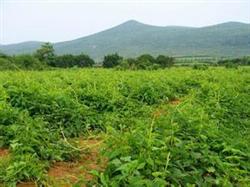
How to Fertilize Chinese Yam? A Detailed Guide to Scientific Fertilization Methods
During the seedling stage and the vine-spreading stage, Chinese yam mainly grows leaves and branches, so fertilizers should be mainly nitrogen-based. After budding, it enters the peak growth stage, the underground tubers begin to expand, and the fertilizer demand is relatively large. This is the key period for fertilization, and nitrogen, phosphorus, and potassium should be applied in combination. I. Base fertilizer. Choose a good field, and before plowing, apply 2000 kg-4000 kg of decomposed farmyard manure and 60 kg-80 kg of compound fertilizer per mu as base fertilizer, then plow the soil 30 cm deep and harrow it fine.
-
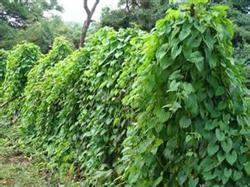
Yam Pest and Disease Control Methods and Key Technical Points
I. Anthracnose. Yams are prone to anthracnose during hot, rainy seasons, and after onset it causes stem blight and leaf drop. In the early stage, black spots appear on the leaves; in the later stage, the leaf color turns black, and the lesions become water-soaked; in severe cases it affects plant growth and causes reduced yield. Control: In the early stage of the disease, spray once every 7 days with 50% Tuzet 600x solution, or 7...
-
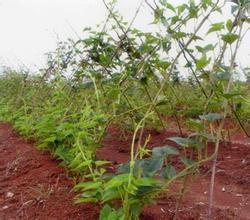
How to grow yam for high yields? New methods help you increase production
1. Shallow topdressing and skillful watering: When fertilizing, apply into the shallow soil layer so the yam roots can absorb it. Shallow topdressing or less topdressing can both ensure high yam yields. Yam fears waterlogging but should not be too dry either; if too dry, it will seriously affect the swelling of the yam. Spray New High Lipid Film to reasonably match water and fertilizer distribution. 2. Build sturdy trellises: After seedlings emerge, set up trellises in time...
-
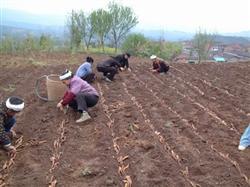
Detailed Explanation of Yam Planting Methods and Technical Key Points
Yam, also known as shanyao or Chinese yam, is a perennial twining herb. Traditional Chinese medicine holds that yam has multiple effects such as strengthening the spleen, tonifying the lungs, consolidating the kidneys, and boosting essence. As a highly nutritious food, yam contains large amounts of starch and protein, various vitamins, glucose, crude protein amino acids, choline, allantoin, and more. Among these, an important...
-
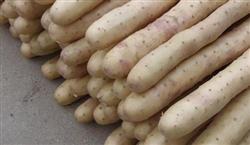
How to sow round yam? Detailed planting methods
The pathogens of round yam mostly attach to seed tubers to overwinter. To prevent the occurrence of diseases, seed tubers should be disinfected; otherwise, the pathogens can easily invade through the cut surfaces, causing rot and missing plants. Under normal circumstances, seed tubers should be stored whole over winter. When cutting seed tubers into pieces before spring planting, besides keeping the kitchen knife...
-

What are the methods to improve the seed-setting rate of sunflowers
How to improve the seed-setting rate of sunflowers
条件筛选