-
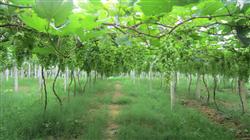
Detailed Explanation of Key Grape Summer Management Techniques
Some vineyards experience many diseases in summer, mainly: grape downy mildew, white rot, anthracnose, etc. The occurrence of downy mildew can cause grape leaf drop, withered branches, rotten fruit, and even death. Therefore, Liu Zhongtang, an agronomist and fruit tree expert at the Wei County Agriculture and Animal Husbandry Bureau, reminded the broad community of fruit growers during technical training in the township that in the rainy summer season they should...
-
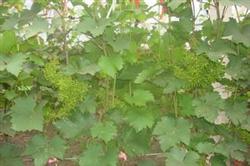
Detailed management measures for the three main periods of grapes
The main flowering-period diseases of grapes such as Summer Black and Red Globe are gray mold and rachis blight, both of which are fungal diseases. Gray mold, also known as bunch rot, has occurred rather severely in recent years; in heavily affected orchards it can destroy more than 70% of flower clusters, mainly harming the corolla, pedicels, rachis and newly set young...
-
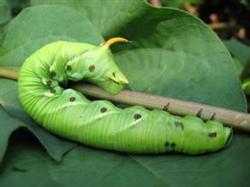
Key Technical Points for Winter Management of Bagged Mango Seedlings
Control methods: 1. Capture larvae based on their damage characteristics. 2. Blacklight traps can be used to trap adult insects. 3. Chemical control: Decis, trichlorfon, dichlorvos, etc. can be used.
-
Autumn Mango Fertilization Management Methods and Technical Key Points
Fungal diseases. At present, 6 pathogens causing mango sooty mold have been identified in China. They damage leaves, branches and shoots, and fruit, affecting leaf photosynthesis and fruit appearance. Control methods: First, rational close planting and pruning to keep the canopy well ventilated and exposed to light. Second, focus on controlling aphids, scale insects, and flat-headed leafhoppers...
-
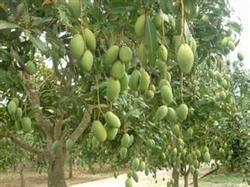
Detailed Explanation of Field Management Techniques for Pollution-Free Mango
I. It can flower and bear fruit in all four seasons of the year. The first crop flowers from late February to late March and the fruit ripens from late June to late July; the second crop flowers in late April and the fruit ripens in late July; the third crop flowers from late July to early August and the fruit ripens in late November; the fourth crop flowers in late September and the fruit ripens from March to April of the following year. II...
-
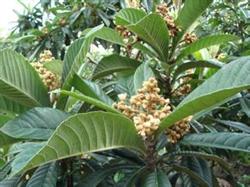
Good post-harvest management of loquat is the key to a good harvest next year
Loquat harvesting is basically finished in May, and post-harvest production management directly affects tree vigor growth and next year's fruiting. Post-harvest production management of loquat should mainly be carried out in three aspects: fertilization, pruning, and pest and disease control. Apply sufficient post-harvest fertilizer. After harvesting loquat, fertilizer should be applied in time to promote the development of summer shoots, with nitrogen fertilizer as the main type, ...
-
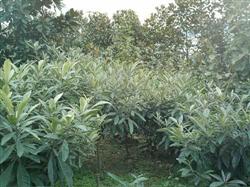
Detailed Explanation of Key Post-Harvest Scientific Management Techniques for Loquat
Loquat harvesting is now basically finished, and post-harvest production management directly affects tree vigor growth and next year's fruiting. Post-harvest production management of loquat should mainly be carried out in three aspects: fertilization, pruning, and pest and disease control. Apply sufficient post-harvest fertilizer. After loquat harvest, fertilizer should be applied in time to promote the development of summer shoots. The fertilizer should be mainly nitrogen fertilizer, ...
-
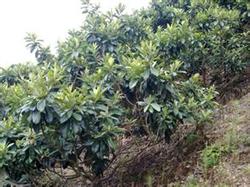
Detailed Explanation of Key Post-Harvest Management Techniques for Loquat
To overcome the alternate bearing phenomenon in loquat caused by poor management, post-harvest management must be strengthened to prepare for a good harvest next year. 1. Strengthen fertilizer and water management (1) In April-May after fruit harvest, apply fertilizer by the ring trench method around the perimeter beneath the tree canopy, applying 100 kg of decomposed human manure or cattle and pig pen manure per tree, ...
-
Detailed Explanation of Key Technical Points for Spring Management of Loquat
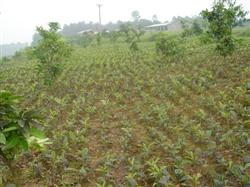
(1) Land preparation: When building a loquat orchard on flat land, planting trenches should be dug, generally 0.80-1.0 m wide and about 0.80 m deep, with the distance between planting trenches generally about 3 m, and the length of the planting trenches determined by the size of the orchard plot or the length of the slope. When digging the trenches, place the topsoil and subsoil separately, with the topsoil placed on the upper edge; when backfilling, backfill the topsoil first, and divide it into 3-...
-
A Complete Analysis of the Key Technical Points for Sesame Cultivation and Management
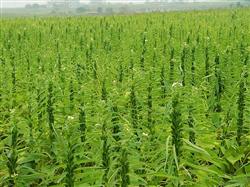
Most farmers believe that sesame is a low-yielding, drought-tolerant crop that requires only extensive management. As a result, for many years the yield of spring sesame has been less than 150 kg per mu, and the yield of summer sesame or intercropped sesame has been below 100 kg per mu. Experiments have proven that as long as good seed is combined with good methods and cultivation measures are improved, sesame yields can be increased by more than 20%. 1. Applying...
条件筛选