-

Key Technical Points for Autumn Radish and Cauliflower Cultivation and Management
Broccoli is called xilanhua in Guangzhou. It has high nutritional value, bright green color and delicious taste. In the 1980s, it was successfully introduced and cultivated on a large scale in China. It can be cultivated both in coastal and inland areas. It is a new high-grade vegetable and also one of the vegetable varieties for export. The edible part of broccoli is composed of tender flower stalks and countless small flower buds, and is...
-
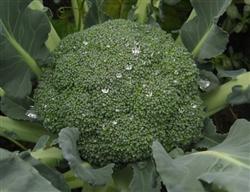
Cultivation Techniques and Management Key Points for Early-Maturing White Cauliflower
1. Choose varieties with a growth period of more than 220 days, and dress the seeds with New High Lipid Film. 2. When raising seedlings, be sure to shade and keep the seedbed moist. During the seedling stage, treat insects once every 7 days. Spraying New High Lipid Film at the seedling stage can prevent pathogen infection, improve resistance to natural disasters, increase photosynthetic intensity, and protect the seedlings so they grow strong...
-
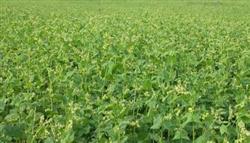
Key Cultivation Techniques and Field Management of Golden Buckwheat Explained
Golden buckwheat is the dried rhizome of the Polygonaceae plant golden buckwheat, also known as bitter buckwheat, wild bridge buckwheat and heaven buckwheat. Its nature is cool, its taste pungent and bitter, and it has the effects of clearing heat and detoxifying, activating blood and resolving stasis, and strengthening the spleen and draining dampness. It is mainly produced in Shaanxi, Jiangsu, Zhejiang, Hubei, Hunan and other provinces, and can also be cultivated in the East China region. I. Morphological characteristics...
-
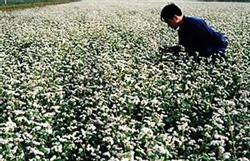
Detailed Explanation of Autumn Buckwheat Cultivation Techniques and Management Key Points
1. Timely sowing. Buckwheat prefers a cool environment and is afraid of frost; sowing too early or too late will seriously affect yield. In the riverside and southern areas of our province, the suitable sowing period is around mid-August, while in the Huai River area, early to mid-August is appropriate. 2. Select good varieties. It is advisable to choose buckwheat varieties with a growth period of 70-80 days and strong stress resistance, such as Tianqiao No. 1, Tianqiao No. 2, Xiaohonghua Tartary Buckwheat, etc.
-
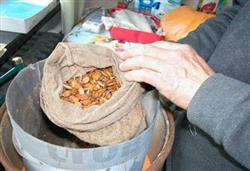
Detailed Explanation of the Key Management Techniques for Sparse Planting of Bitter Melon
What should be done if bitter melon seeds germinate slowly? Bitter melon seeds are relatively large, flat, and turtle-shell shaped, with a thick and hard seed coat. Bitter melon seeds germinate with difficulty, and after sowing they need a relatively long time to emerge. To promote seed germination so that seedlings emerge quickly, strongly, and evenly, seed soaking and sprouting must be carried out before sowing. The method of soaking and sprouting seeds is: use...
-
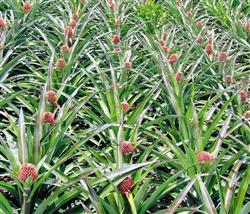
What are the key technical points of fertilization management in pineapple plantations?
Mineral nutrients in the soil are the material basis for the vegetative growth and reproductive growth of pineapple plants. Soil fertility, the amount of fertilizer applied, fertilizer quality, and fertilization techniques are among the important factors that directly affect the normal growth of pineapple plants and the achievement of high and stable yields. Pineapple is a perennial herbaceous fruit tree planted once and harvested for 2-3 crops...
-
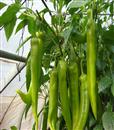
Key Technical Points for Spring Greenhouse Cultivation and Management of Chili Peppers
Since last winter up to now, the market for mildly spicy chili peppers grown in greenhouses has been consistently strong. Therefore, this newspaper hereby introduces its cultivation techniques as follows: 1. Raising seedlings. The flower buds in the middle and lower parts of the chili pepper have already completed differentiation during the seedling stage, so cultivating sturdy seedlings is very important for the quality of flower bud differentiation and for earlier flowering and fruiting. During the seedling period, the suitable...
-
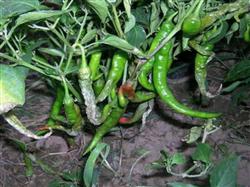
Key Field Management Techniques for Spring-Planted Peppers
In open fields, this disease is mainly of the leaf rot type, while in protected cultivation it is mainly of the root rot type. In protected cultivation, pepper Phytophthora blight mostly invades from the root crown, and the diseased part is dark brown. Sunken or shrunken, the lesion can encircle the stem and cause root death, and the plant wilts. In greenhouses, the pathogen is mainly spread by irrigation water, and disease centers mostly form in low-lying, waterlogged, and soil...
-
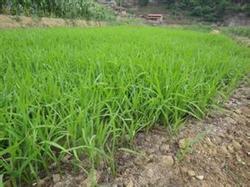
Key Field Management Techniques After Transplanting Dry-Raised Rice Seedlings to the Paddy Field
1. Prepare the field carefully so that the field is level and the soil is puddled, with not even a inch of water exposing the mud. 2. Fertilization principle: apply a heavy basal fertilizer and skillfully apply panicle-grain fertilizer. Apply no less than 1500 kg of farmyard manure per mu. When harrowing the field, apply phosphate and potassium fertilizers plus 70% of the nitrogen fertilizer as a one-time basal application, 20% of the nitrogen fertilizer as tillering fertilizer, and 10% as panicle fertilizer (apply 5-10 days before heading). ...
-

Detailed Explanation of Key Management Techniques During Grape Ripening
1. Timely picking in batches. Grape varieties differ, and their ripening periods are not the same either, so different measures should be taken according to different situations when picking. Ripe grapes have a glossy surface, transparent flesh, and a thick layer of bloom; they taste flavorful, and the seeds are brown. If picked too early, the acidity is too high; if picked too late, the fruit...
条件筛选