Key Technical Points for Winter Management of Bagged Mango Seedlings
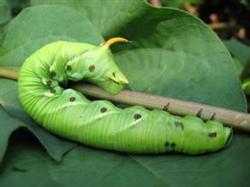
Control methods: 1. Capture larvae based on their damage characteristics. 2. Blacklight traps can be used to trap adult insects. 3. Chemical control: Decis, trichlorfon, dichlorvos, etc. can be used.
 Choose an open area with flat terrain and convenient drainage and irrigation, and avoid setting up seedbeds in wind gaps and areas where cold air easily accumulates. The size of the seedbed can be determined according to the terrain. Generally, the width is 100 cm, and the length depends on the terrain. Dig the seedbed into a trough-shaped rectangle 5-8 cm below the ground surface. The soil in the trough should be loosened and leveled to facilitate stable seedling placement, heat preservation, and moisture retention. After placing the seedlings, bank the surrounding soil up around the bagged seedlings to form a soil-covered protective layer. Dig a drainage ditch on the opposite side of the seedbed to facilitate drainage in the rainy season and irrigation in the dry season.
The shade shed setup can be determined according to the size of the seedbed. The surrounding area of the shade shed should preferably be 30-50 cm larger than the seedbed. The height of the shade shed frame should be 100-150 cm; if it is too high, it is not easy to block the wind. A windbreak barrier should also be set on the windward side to avoid damage from strong winds and cold air.
Leave a 50 cm field path between seedbeds for watering, weeding, and transporting seedlings. Frequently check the water requirements of the mango seedlings and the protective performance of the shade shed. If water shortage or damage to the shade shed is found, water and repair the shade shed promptly.
During continuous drought, flood irrigation should be used for watering, with the water level reaching the seedbed and the soil cover layer.
Fertilization is not advisable in winter, but if seedlings bagged for 1 month are thin and weak, and the organic matter content of the nutrient soil is low, 0.5%-1% urea can be used for foliar spraying to promote seedling growth. In autumn (around October), quick-acting nitrogen fertilizer should not be applied. Potassium sulfate at a concentration of 0.5% can be sprayed 1-2 times at an interval of about 15 days, which can improve the cold resistance of the seedlings.
Hardening off is carried out in 2 periods. The 1st period is before the beginning of winter. Generally, remove the shade shed in the evening and put it back up before the sun comes out the next day, or remove the shade shed on cloudy days and put it back up when the sun is out. Note that during the hardening-off period, the local temperature cannot be lower than 15°C, and the extreme minimum temperature cannot be lower than 10°C; if the duration is short, it can reach about 8°C.
If the seedling tissues are still tender before the beginning of winter, the seedlings can be exposed to the sun appropriately to increase leaf photosynthetic performance, accelerate tissue maturation, and increase cold resistance. However, they should not be exposed to strong light for a long time, so as to avoid high-temperature scorching of the seedlings.
Around November, hardening off should be stopped about 1 month before leaving the nursery for field planting. This period is in the high-temperature season, so hardening off needs to be carried out gradually, starting with about 2 hours of sun exposure per day, then increasing the time day by day.
If no seedling damage occurs after 1 week, the top cover of the shade shed can be removed to help improve seedling resistance and the survival rate after planting.
In winter, mango seedlings are prone to powdery mildew and aphid damage. Powdery mildew harms young tissues and leaves and can be controlled by spraying 15% triadimefon diluted with water 800-1000 times. Aphids mainly harm stems and leaves and can be controlled by spraying 40% omethoate 1000-1500 times solution. In places with frequent rodent activity, rodent prevention work should be done well, and methods such as poisoned bait trapping can be used.